
Last updated November 25, 2026
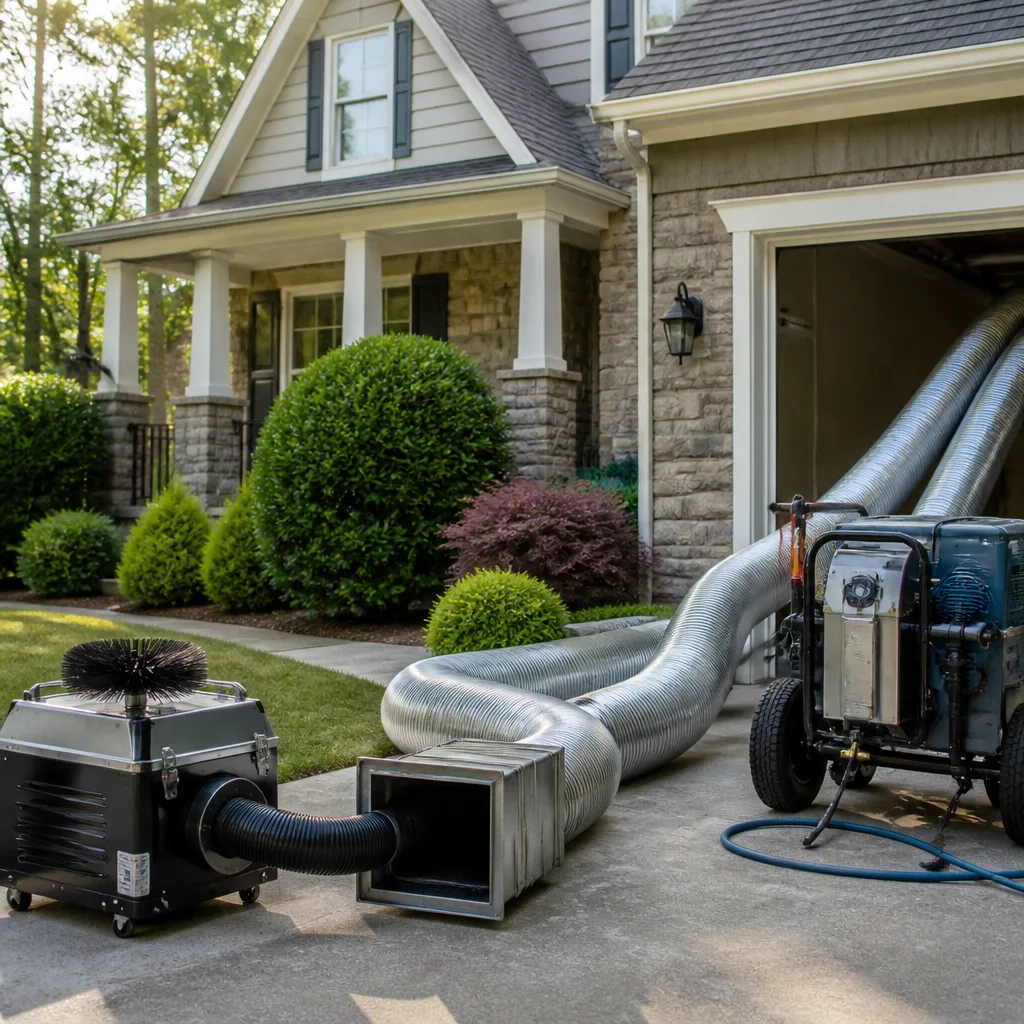 Whole-home duct cleaning
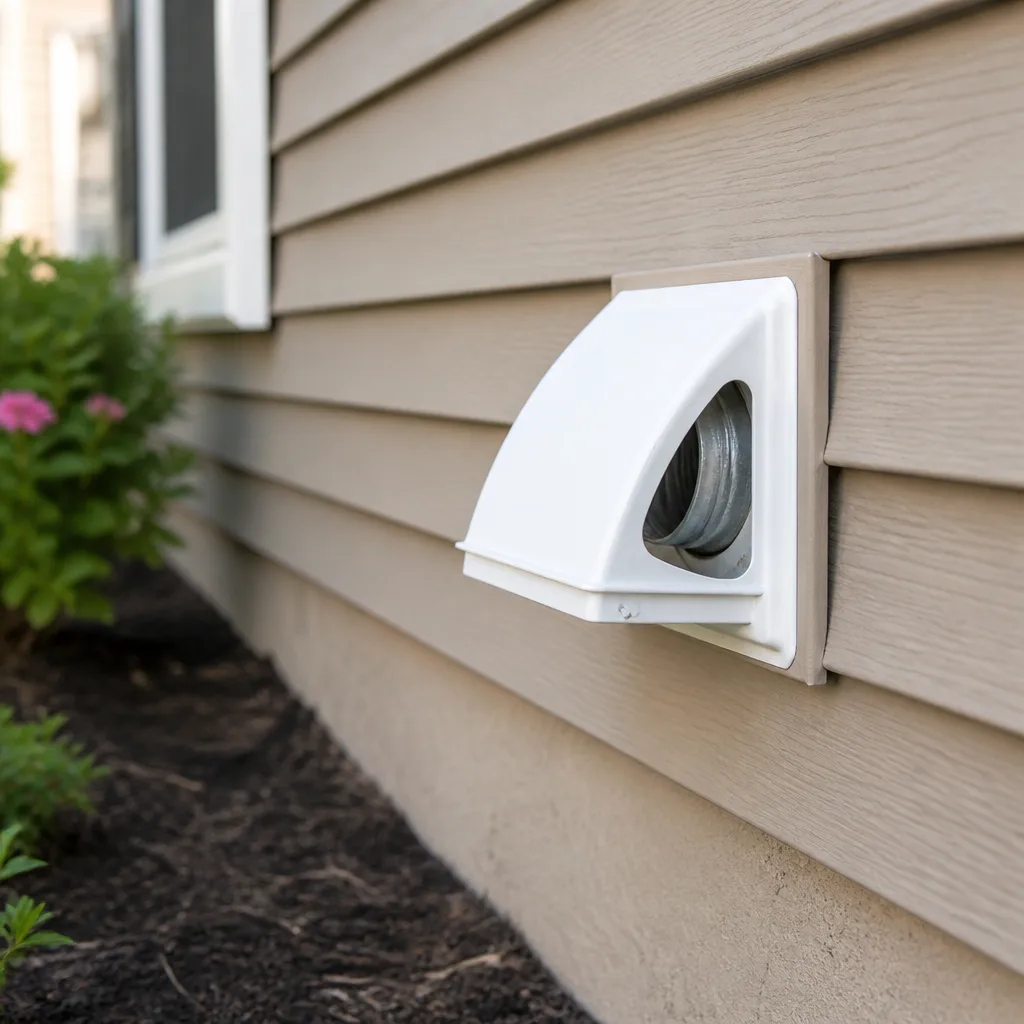 Dryer vent cleaning
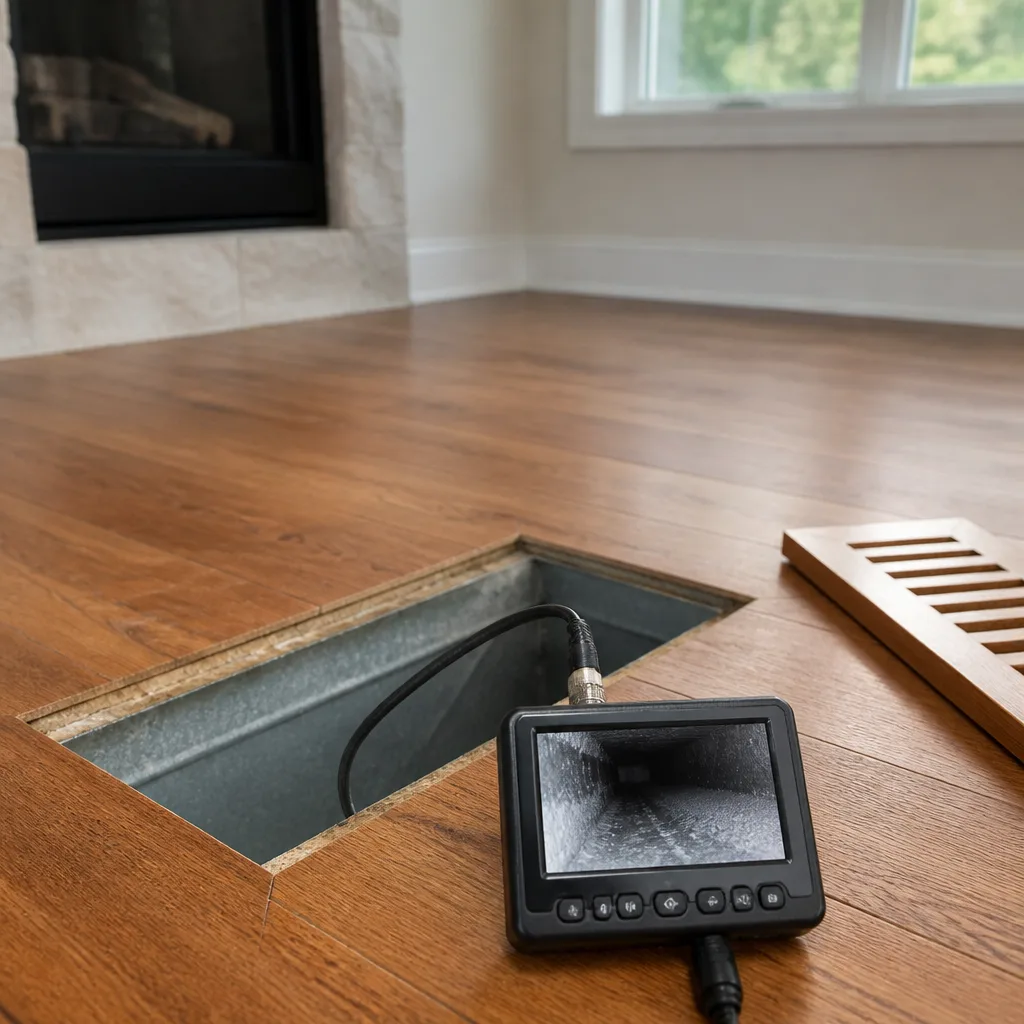 Camera inspection
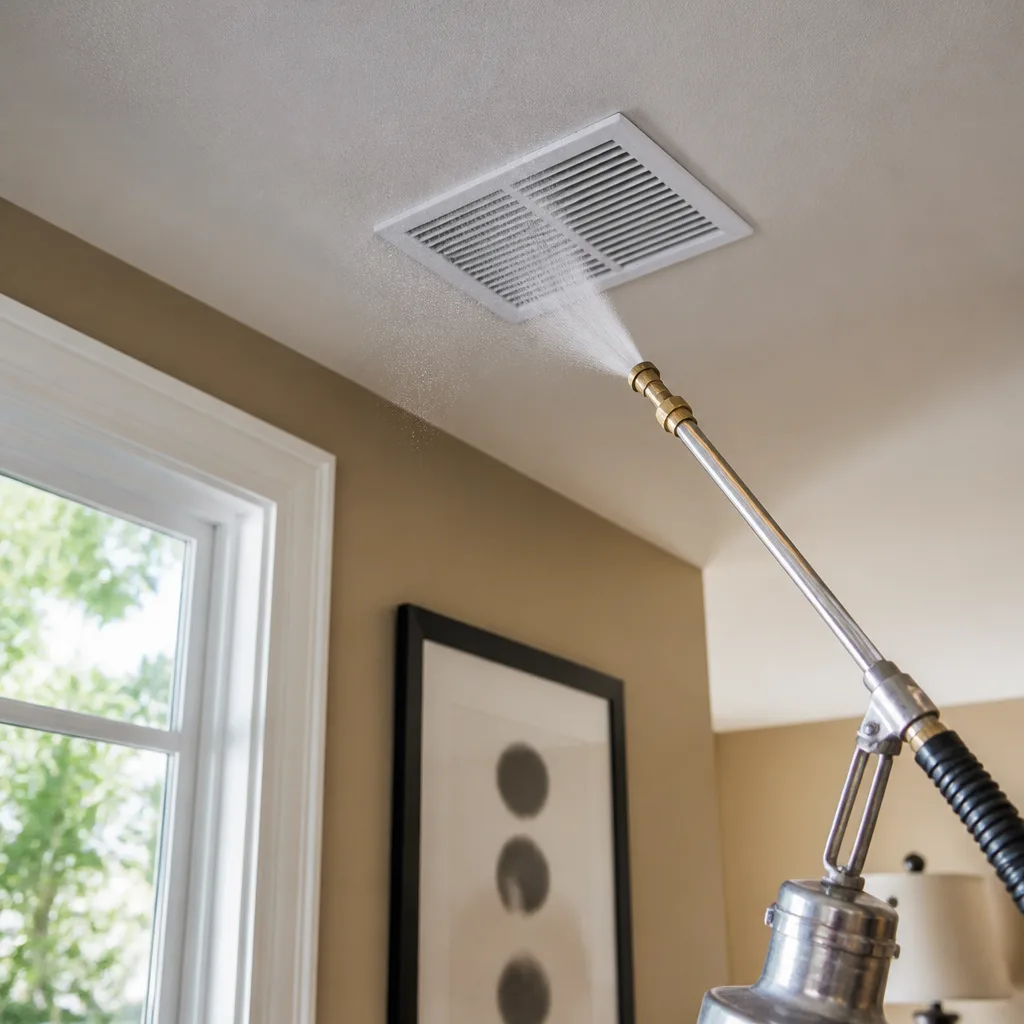 Sanitizing & deodorizing
Whole-system duct and dryer vent check with before-and-after photos - you see exactly what came out of your vents
That "$99 whole-house special" is a bait ad - the real number appears once they are in your hallway, or the "clean" is a shop-vac at the register. We photograph the inside of your ducts before and after instead.
Air Duct Cleaning Emergency Preparedness Guide for Alief Homes
Most homeowners in Alief think about their ductwork only when the air conditioner quits. That’s backward. The ducts are the part of the system that keeps working long after the power comes back on, quietly pulling whatever is in the attic, the crawlspace, or the flooded room back into every bedroom. After a tropical storm dumps rain across the Houston corridor, the ducts usually become the last place the damage hides. What follows is a practical protocol for assessing, shutting down, documenting, and remediating duct systems after flooding, storm-driven roof damage, or regional wildfire smoke. We cover what each event actually does to your ducts and what to do in the first hours and days.
Quick Answer
After a flood, storm, or heavy smoke event, shut the HVAC system off at the thermostat and the breaker until you’ve confirmed the ductwork is dry and intact, then have the ducts professionally inspected before you reoccupy the home. Cleaning is enough when the ducts are dry and structurally sound; full or partial replacement is warranted when insulation inside the duct is wet, sagging, or growing mold. Document everything with photos and a written contractor assessment for your insurance carrier, and schedule professional cleaning and sanitizing once the structure is dry.
Styles & brands we work with
- Whole-home duct cleaning
- Dryer vent cleaning
- Camera inspection
- Sanitizing & deodorizing
Table of Contents
- What to Do With Your Ducts After Flooding
- The First 48 Hours After a Weather Event
- Emergency HVAC Shutdown Protocol
- Smoke Events: Wildfire and Industrial Smoke in the Houston Corridor
- Documenting Duct Damage for Insurance Claims
- When Cleaning Is Enough and When Replacement Is Required
- Dryer Vents and Storm-Season Fire Risk
- Building a Year-Round Duct Preparedness Plan
What to Do With Your Ducts After Flooding
Floodwater itself rarely reaches the supply ducts in a single-story Alief home, but the moisture does. When a storm pushes water into a house, humidity inside the envelope climbs fast, and flexible duct runs in the attic or under the floor absorb that moisture through their insulation jacket. The ducts then become a dark, humid chamber, and mold can colonize the interior liner within days. That’s the scenario that played out across thousands of homes after Hurricane Harvey, and it’s the reason we treat post-flood duct assessment as a moisture question first and a debris question second.
Here’s how we approach an assessment:
- Check the duct insulation, not just the interior. A duct can look clean inside and still have a wet, moldy outer jacket that will keep feeding spores into the airstream. Squeeze the jacket; if it feels damp or spongy, that section is compromised.
- Look for standing water or water staining at boots, registers, and the air handler. Rust rings, mud lines, and tide marks at the supply boots are reliable signs water reached the system.
- Smell test each room. A musty, earthy odor coming from a register after a flood is a strong indicator that the duct interior has already begun to grow mold.
- Have the interior inspected with a camera. A technician can run a borescope through the trunk line and branch runs to see the liner, the joints, and any pooled moisture you can’t reach by hand.
If the ducts are dry and intact, a thorough cleaning with HEPA vacuum equipment and rotary-brush agitation removes the silt and debris the storm left behind. If any section is wet or moldy, that section gets cut out and replaced. Cleaning a wet, colonized duct just spreads the problem. In Alief’s climate, where humidity stays high well after the rain stops, we don’t recommend waiting on a wet duct; the mold window is short.
The First 48 Hours After a Weather Event
The first two days after a storm decide whether a compromised duct system becomes a mold problem. Mold needs moisture, organic material, and still air; a wet duct interior with the blower off is an ideal incubator. Your job in that window is to remove the moisture and keep the system from moving contaminated air around the house.
- Stop running the HVAC. This is the single most important step. Running the system after water intrusion pushes moist air and any mold spores into every room.
- Open the house up and dry it. Fans, open windows when the outside air is drier, and dehumidifiers if you have them. Get the indoor humidity down as fast as you safely can.
- Pull wet insulation and debris out of the affected area. If floodwater touched the air handler or the duct boots, remove saturated insulation so it stops feeding moisture into the system.
- Photograph everything before you clean up. Insurance carriers want to see the water line, the wet duct jacket, the register condition, and the air handler before anything is moved.
- Call for a duct inspection. A professional assessment during this window tells you whether you’re looking at cleaning or replacement.
We’ve seen a lot of Alief homes where the homeowner dried the floors and the drywall but never touched the ducts, and three weeks later the whole house smelled like a wet basement. The ducts are the slowest part of the house to dry and the easiest to forget. Treat the first 48 hours as a deadline, not a suggestion.
Emergency HVAC Shutdown Protocol
When you suspect your duct system has taken on water, debris, or heavy smoke, shut it down before you assess anything. A running system moves contaminated air from the compromised section into every room in the house, and it also pulls moisture deeper into the duct insulation. The shutdown itself takes under a minute.
- Set the thermostat to OFF. Not to “fan on,” not to a lower temperature. Off.
- Switch off the air handler at the service switch. Most air handlers have a dedicated switch or breaker nearby; flip it so the blower can’t cycle on its own.
- Close the registers in the affected rooms if only part of the house is compromised, to limit cross-contamination while you wait for inspection.
- Don’t run the system “just to see if it works.” A short test run can redistribute mold spores and debris through the whole duct network.
- Note the date and time you shut it down. Your insurance claim may need it, and your contractor will want it.
This is where having a professional on the phone helps. We answer 24/7 at (877) 492-3978 and can walk you through the shutdown while a technician is scheduled. Fast dispatch from 7am to 7pm, Sunday through Friday, gets someone to the house to inspect and give you a straight answer on whether the ducts can be cleaned or need to come out.
Once the system is off, resist the urge to do a rough cleaning yourself. Consumer shop vacuums and hand brushes don’t have the containment to trap fine debris; they blow it back into the room. Proper remediation uses rotary-brush agitation and HEPA-rated vacuum equipment, with containment in place. Our team runs air duct cleaning with Rotobrush rotary-brush systems and Nikro HEPA vacuums, and we deploy Abatement Technologies negative-air containment so dislodged material leaves the house instead of settling on your furniture.
Smoke Events: Wildfire and Industrial Smoke in the Houston Corridor
Alief sits in a part of the Houston corridor that catches smoke from two directions: regional wildfire smoke drifting in during a dry season, and industrial or refinery smoke from the surrounding petrochemical belt. Both leave the same residue in your ducts, a fine oily particulate that clings to the duct liner and the blower wheel. It doesn’t blow out on its own. Every time the system runs, it cycles that smoky smell back through the house.
Smoke contamination is a different remediation problem than flood contamination. You’re not chasing moisture; you’re chasing an odor-causing film and fine particulate that has settled on every surface inside the duct. The response that works is HEPA cleaning plus sanitizing, in that order.
- HEPA agitation and capture first. Rotary-brush cleaning loosens the smoke residue from the duct walls, and a HEPA vacuum pulls it into containment so it doesn’t recirculate.
- Sanitizing second. Once the duct interior is clean, a surface sanitizing treatment knocks down the residual odor and the film that holds it. We apply Guardsman-grade surface and sanitizing protocols on air-quality treatments.
- Filtration review alongside. A standard 1-inch filter is not built to catch smoke particulate. Upgrading to a higher-efficiency filter or a whole-home filtration unit makes a real difference during a smoke event. We integrate Honeywell and Aprilaire product lines for filtration and humidity control, and can recommend the right option as part of the same visit.
If wildfire smoke has been heavy for days, run the system on recirculate with windows closed during the event, then schedule duct cleaning once the smoke clears. Cleaning during a smoke event just pulls fresh particulate back in. Cleaning after is what removes the residue that’s already settled.
Documenting Duct Damage for Insurance Claims
Insurance carriers are specific about what they want to see for duct damage, and the documentation you collect in the first hours after a storm is the difference between a covered claim and a fight. The general rule: photograph more than you think you need, and get a written contractor assessment that states what was damaged and why. Most policies treat ductwork as part of the structure, so water intrusion that reaches the ducts is usually a covered loss, but the carrier will want proof of moisture and proof of cause.
What your carrier typically wants:
- Wide and close photos of the water line at the air handler and at the registers, with a measuring tape visible if you can.
- Photos of the duct jacket and interior showing moisture, staining, or mold growth, including the date stamp.
- Moisture meter readings taken by the contractor showing the duct jacket and surrounding structure are wet. A written record with date and location.
- A camera inspection report documenting the condition of the duct interior before any cleaning.
- The contractor’s written assessment stating whether the affected sections can be cleaned or must be replaced, and why.
- Air quality readings if a moisture or mold issue is suspected; some carriers want particle or humidity readings before and after remediation.
We put this in writing for Alief homeowners because the verbal description over the phone is not enough for a carrier. The photos and the assessment carry the claim. If you have an ongoing mold or air-quality concern, the air quality and sanitizing side of the service is where the documentation and the remediation happen together.
When Cleaning Is Enough and When Replacement Is Required
Cleaning is the right answer when the ductwork is dry, structurally sound, and free of mold growth. Replacement is the right answer when the duct material itself has absorbed water, lost its insulation value, or started to support mold colonies. The decision comes down to a handful of physical checks, and it’s the question we get most often after a storm.
- Flexible duct with a wet insulation jacket: replace that run. The inner liner and the insulation are bonded, so you can’t dry them reliably, and the wet jacket keeps feeding moisture into the airstream.
- Rigid sheet-metal duct with surface moisture only: usually cleanable once the structure is dry. Metal doesn’t absorb water, so surface condensation cleans up well.
- Duct board or fiberglass-lined duct that took on water: replace the saturated sections. Fiberglass loses its structural strength when wet and is very hard to dry in a humid climate.
- Visible mold growth on the duct interior: replace that section, then sanitize the rest of the system. Cleaning over mold just spreads spores.
- Duct that tested wet but is otherwise intact: dry it thoroughly, clean it, sanitize it, and re-check moisture before you reoccupy. If it stays wet, replace.
In our experience, Alief homes built with flexible duct in the attic are the ones most likely to need partial replacement after flooding, because that duct sits right where the attic traps heat and humidity. Homes with rigid trunk lines in the conditioned space usually clean up. Either way, the answer comes from a moisture check and a camera inspection, not a guess. If sections need replacement, our HVAC cleaning and duct repair work covers the full system, including sealing the new connections so the next storm doesn’t get in.
Dryer Vents and Storm-Season Fire Risk
A dryer vent is a duct too, and it’s the one most likely to cause a house fire after a storm. When a tropical system blows through and the power comes back, homeowners do a week’s worth of backed-up laundry in a hurry. If the vent is clogged with lint, or if the storm pushed debris into the exterior vent hood, a dryer running continuously in a hot garage is a real fire risk. Clearing a clogged vent is the single most useful thing you can do for fire safety after a storm.
After a major weather event, check the exterior vent flap. Storms push leaves, twigs, and debris against the hood, and a stuck flap means the dryer is pushing hot, lint-laden air into the wall cavity. Then check the lint trap and the whole run. If you’ve never had the vent professionally cleaned, storm season is the time. Dryer vent cleaning is part of what we do, and it’s a fire-safety step most duct-only cleaners leave out of the job.
Building a Year-Round Duct Preparedness Plan
The best time to prepare for the next storm is before the weather turns. Alief sits in a part of Texas that gets tropical systems and heavy summer rain most years, so a little preparation pays off when the power goes out. A preparedness plan for your ducts doesn’t take much, and it makes the first 48 hours after an event a lot less stressful.
- Know your shutoffs. Find the air handler service switch and the breaker that feeds it, and label them. When you need to shut the system down, you won’t want to look for it.
- Keep a written record of your duct layout. A simple map of your trunk lines and branches, with photos, makes the post-storm assessment faster and the insurance claim cleaner.
- Get the ducts cleaned before storm season, not after. Starting from a clean system means any contamination after a storm is obvious and easier to remediate.
- Inspect the attic and roof penetrations each spring. Storm-driven roof damage is one of the main ways rainwater gets into a duct system. Catching a loose boot or a cracked flashing before the rain starts is cheaper than the cleanup.
- Have our number handy. Call (877) 492-3978. We answer 24/7. Fast dispatch from 7am to 7pm, Sunday through Friday.
On the full-cycle side, our duct repair and sealing service closes the gaps and joint failures that let moisture and debris into the system in the first place. Cleaning without sealing just means the next storm has the same easy path. We clean, sanitize, repair, and seal so the system holds up through the next event.
Common Mistakes to Avoid
- Running the HVAC after water intrusion. It spreads moisture and spores through the whole house and makes the remediation bigger. Shut it down first, assess second.
- Drying the floors and ignoring the ducts. The ducts are the slowest part of an Alief home to dry in our humidity, and the easiest part to forget. If the floors were wet, the ducts likely were too.
- Cleaning a wet or moldy duct instead of replacing it. Cleaning a colonized section just spreads spores. Wet insulation and moldy duct board have to come out.
- Skipping the photos for the insurance claim. Carriers want dated photos and moisture readings before cleanup. Pulling the duct out before documenting it can cost you the claim.
- Hiring a shop-vac outfit for post-storm remediation. Consumer equipment can’t contain fine debris and can’t dry a duct safely. Professional HEPA capture and containment is the standard after a storm.
- Forgetting the dryer vent in the storm cleanup. A clogged lint line plus a hot garage plus a week of backed-up laundry is a fire risk. Clear the vent as part of the cleanup.
- Cleaning during a smoke event instead of after. Cleaning during the smoke just pulls fresh particulate back in. Wait until the smoke clears, then clean and sanitize.
See the difference
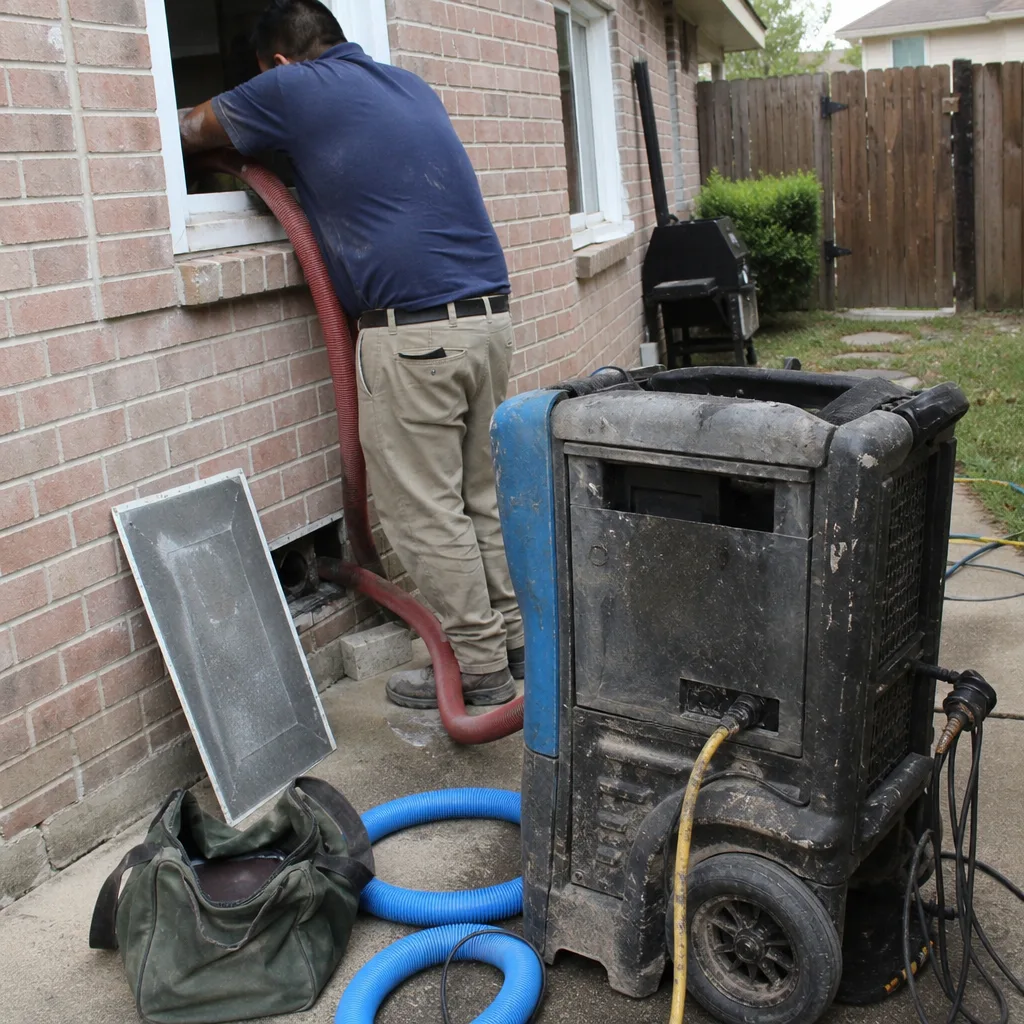 Before
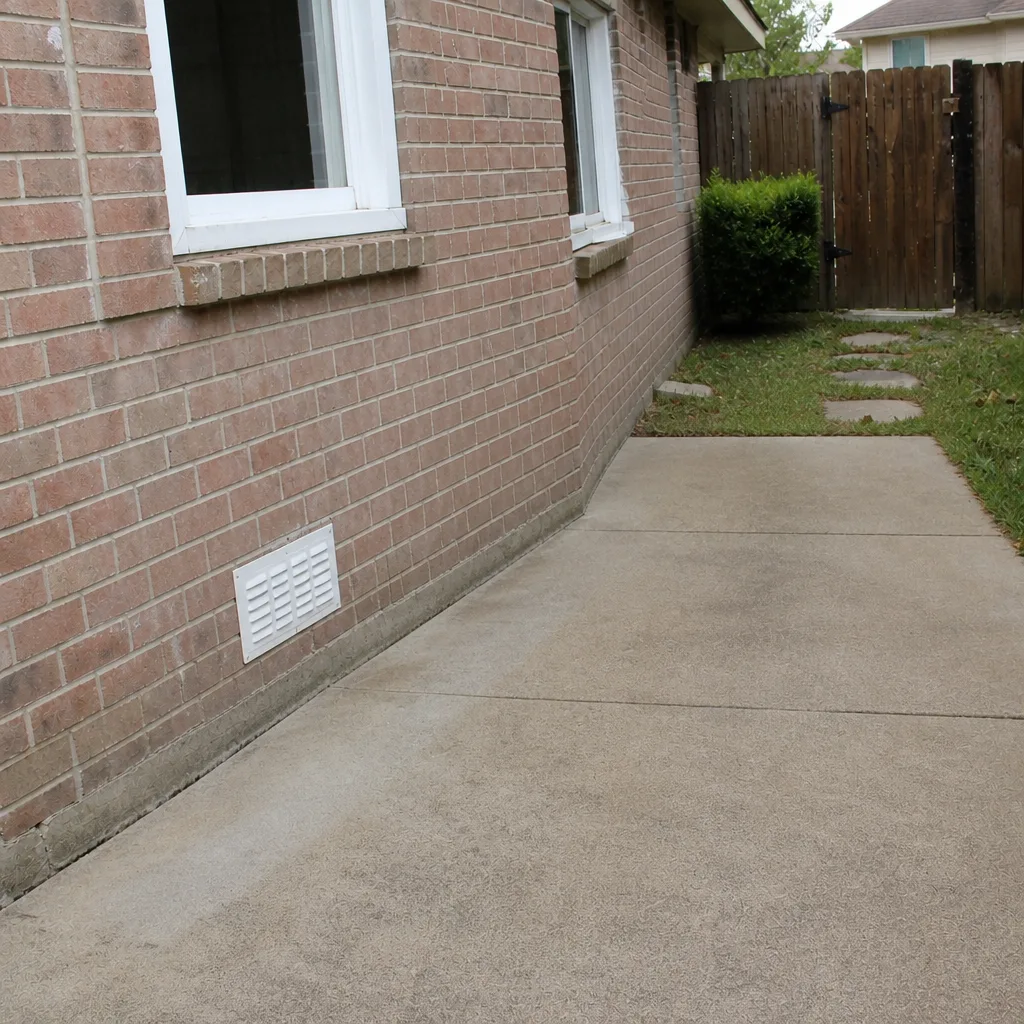 After
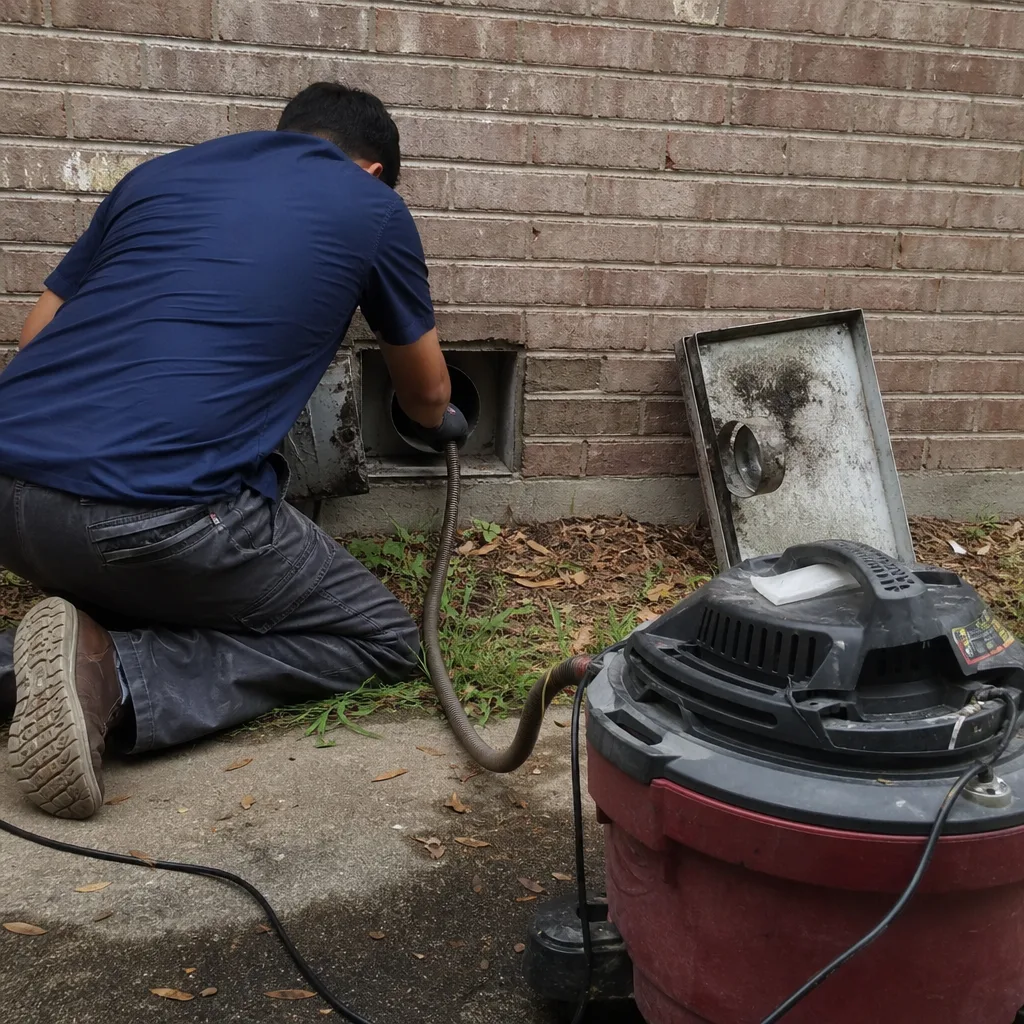 Before
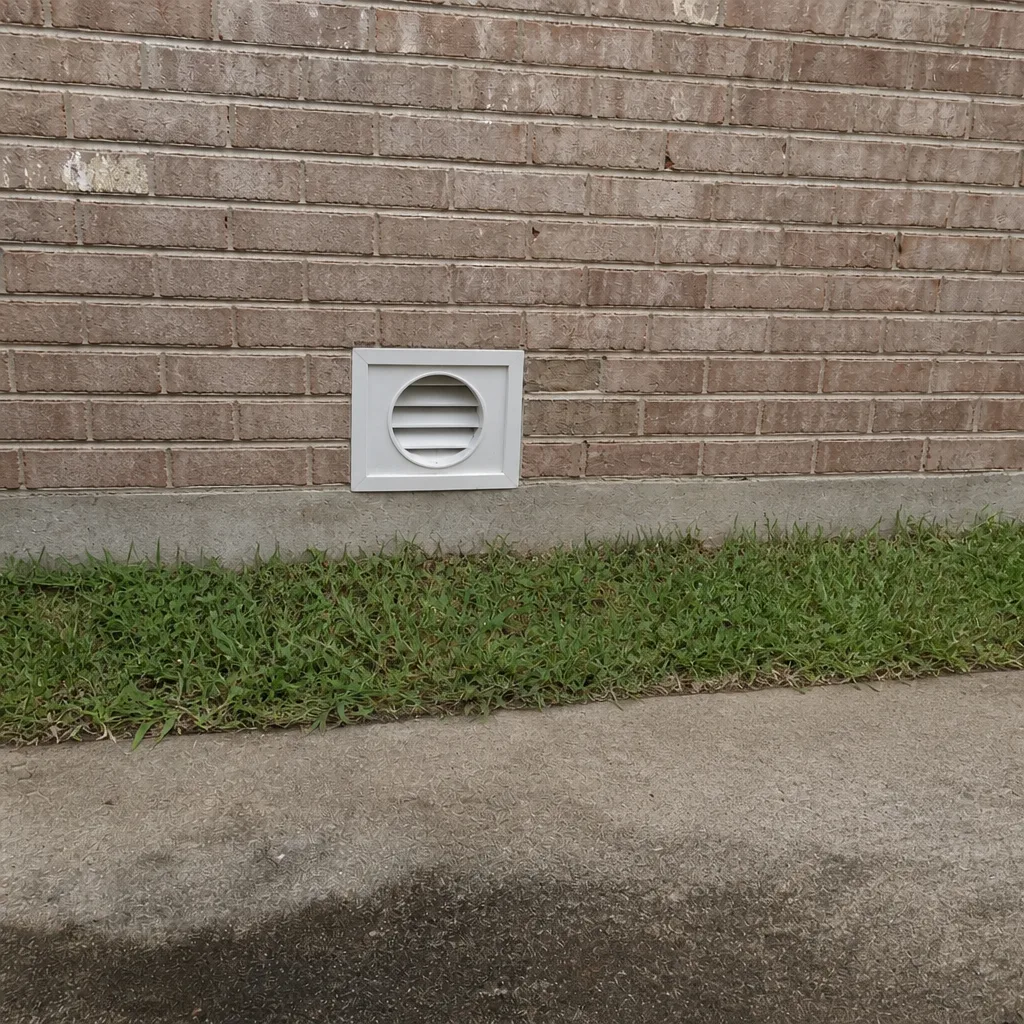 After
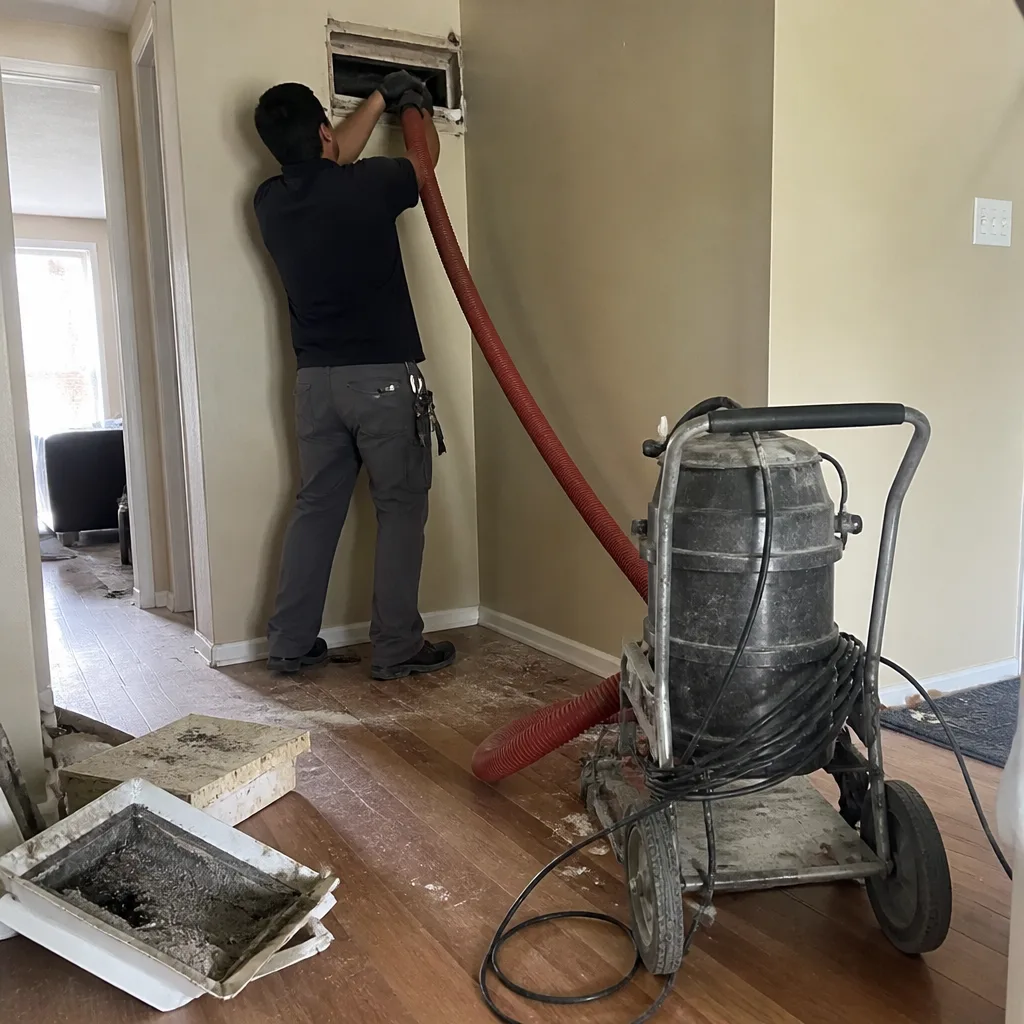 Before
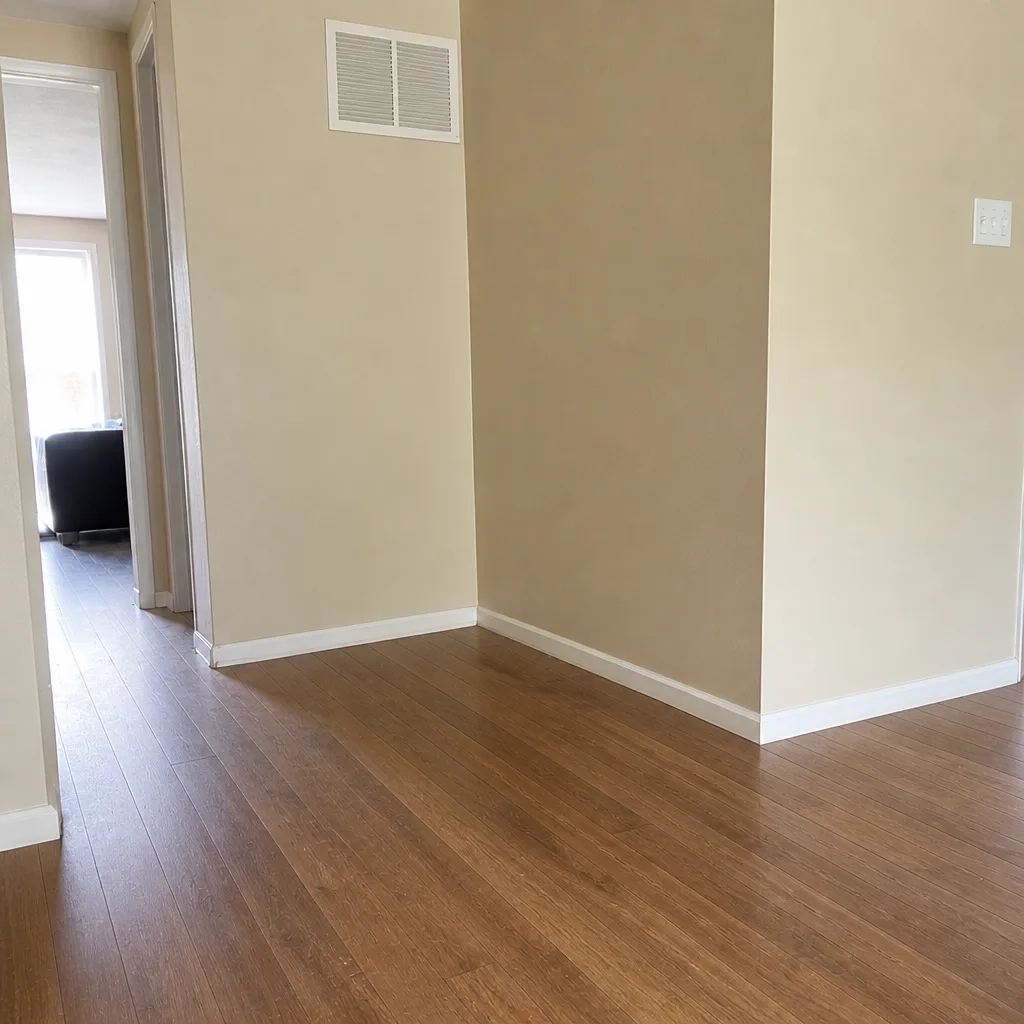 After
When to Call a Professional
Call for a professional duct inspection when floodwater or storm-driven rain reached your air handler, when any duct insulation feels wet or spongy, when a musty smell comes from the registers after a storm, when a smoke event left a persistent odor in the house, or when your insurance carrier wants a written assessment of duct damage. Call also if you’ve never had the system cleaned and you live in a part of Alief with older flexible duct in the attic, where moisture problems start quietly. Air Duct Cleaning Alief offers free estimates in Alief. Call (877) 492-3978. We answer 24/7. Fast dispatch from 7am to 7pm, Sunday through Friday. The local pro we connect you with is licensed and insured as their state requires.
Frequently Asked Questions
Typical estimates for a whole-home duct cleaning in Alief run in the range you’d expect for a full residential system, and the final price is set by the written estimate after an inspection, not by a coupon headline. Post-storm remediation with sanitizing and containment costs more than a routine cleaning because the job is bigger. We give a flat price per system agreed before work starts, with no per-vent pricing and before-and-after photos of your own ducts so you can see what was done. Call (877) 492-3978 for an exact quote; estimates are free.
No. Running the system after water intrusion pushes moist air and mold spores into every room and pulls moisture deeper into the duct insulation. Shut the system off at the thermostat and the air handler breaker, dry the house with fans and dehumidifiers if you have them, and have the ducts inspected before you run them again.
Mold can start colonizing a wet duct interior within a few days in Alief’s humid climate, which is why the first 48 hours matter. A wet flexible duct jacket or duct board section holds moisture and gives mold the conditions it needs fast. The practical rule is: if a duct section is still wet after two days of drying, treat it as compromised and have it inspected. Call (877) 492-3978 and we’ll get an inspection scheduled.
Cheap quotes usually reflect a shop-vac crew with no containment, no HEPA equipment, and no camera inspection. The low price covers a surface cleaning that misses the settled debris, and it can redistribute fine material through the house instead of capturing it. Professional cleaning uses rotary-brush agitation and HEPA vacuum equipment with containment in place, which costs more and does the job. Ask what equipment the contractor brings before you compare prices. Call (877) 492-3978 for a free estimate with the equipment and process spelled out.
You see before-and-after photos of your own ducts, you get a written summary of what was cleaned and what was replaced, and you can look at the containment setup during the job. A contractor who won’t show you the interior of your own duct or document the assessment isn’t giving you proof. We provide both as a standard part of the job.
For most Alief homes, a thorough cleaning every few years is reasonable, but the real triggers are events, not a calendar: a flood, storm-driven roof damage, a smoke event, a renovation, or a persistent musty smell. If any of those have happened, get the ducts assessed regardless of when they were last cleaned. Call (877) 492-3978 to schedule an assessment; estimates are free.
The Bottom Line
Your ducts are the part of the house that keeps working after a storm, and that’s exactly why they matter. After flooding, shut the system down and dry the structure before you assess anything; clean what’s dry and intact, replace what’s wet or moldy. After a smoke event, clean and sanitize with HEPA equipment once the smoke clears. Document everything for the insurance carrier before cleanup, because photos and a written assessment carry the claim. Every step here is about keeping contamination out of the air your family breathes in Alief, which is what we build our whole process around.
Call Air Duct Cleaning Alief at (877) 492-3978 for a free estimate. We answer 24/7. Fast dispatch from 7am to 7pm, Sunday through Friday.
Written by the team at Air Duct Cleaning Alief.