
Last updated November 25, 2026
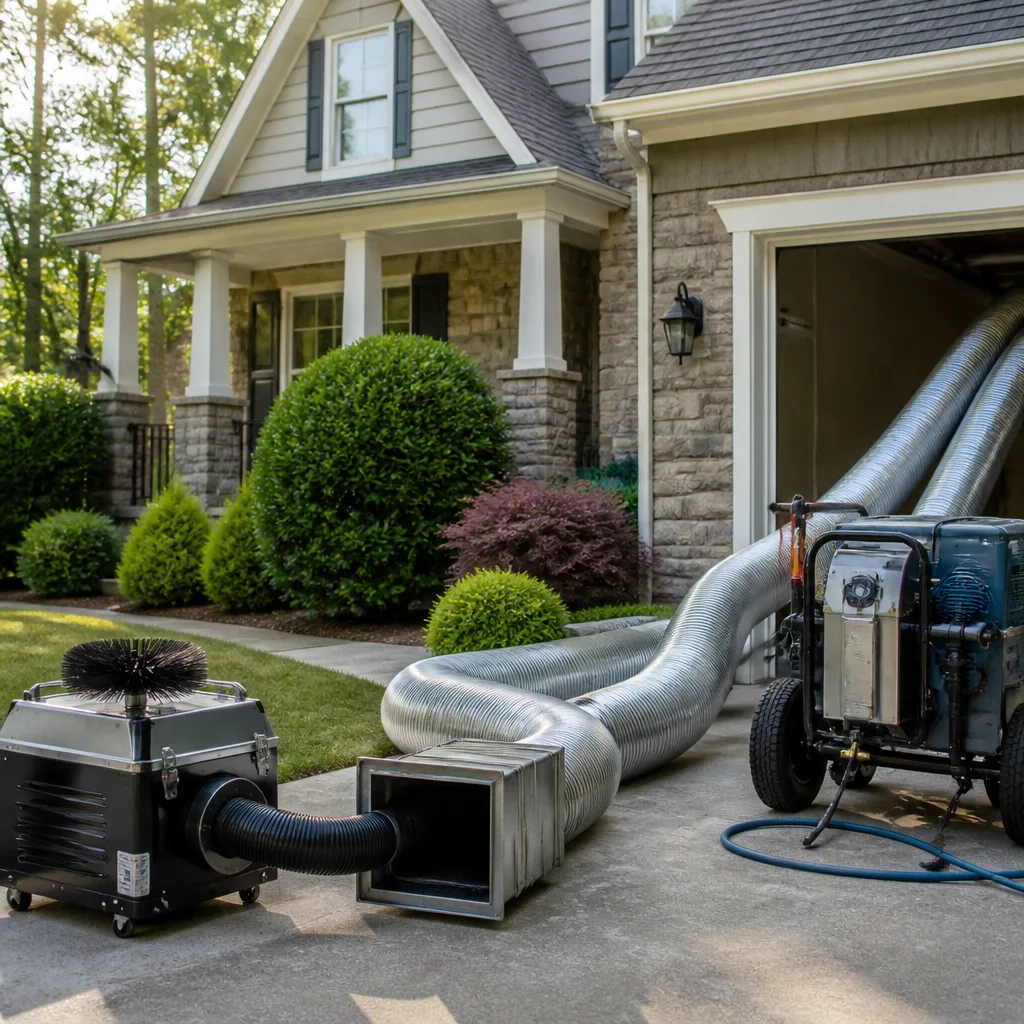 Whole-home duct cleaning
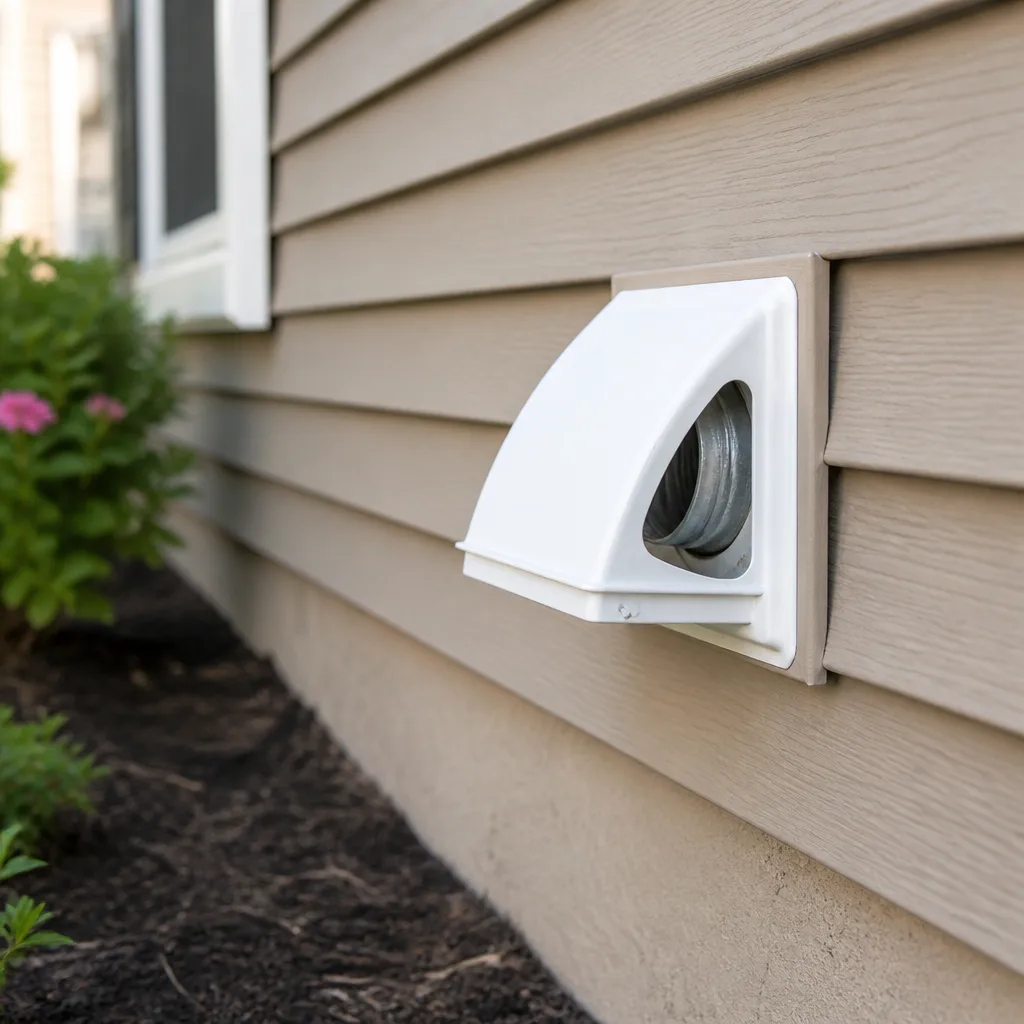 Dryer vent cleaning
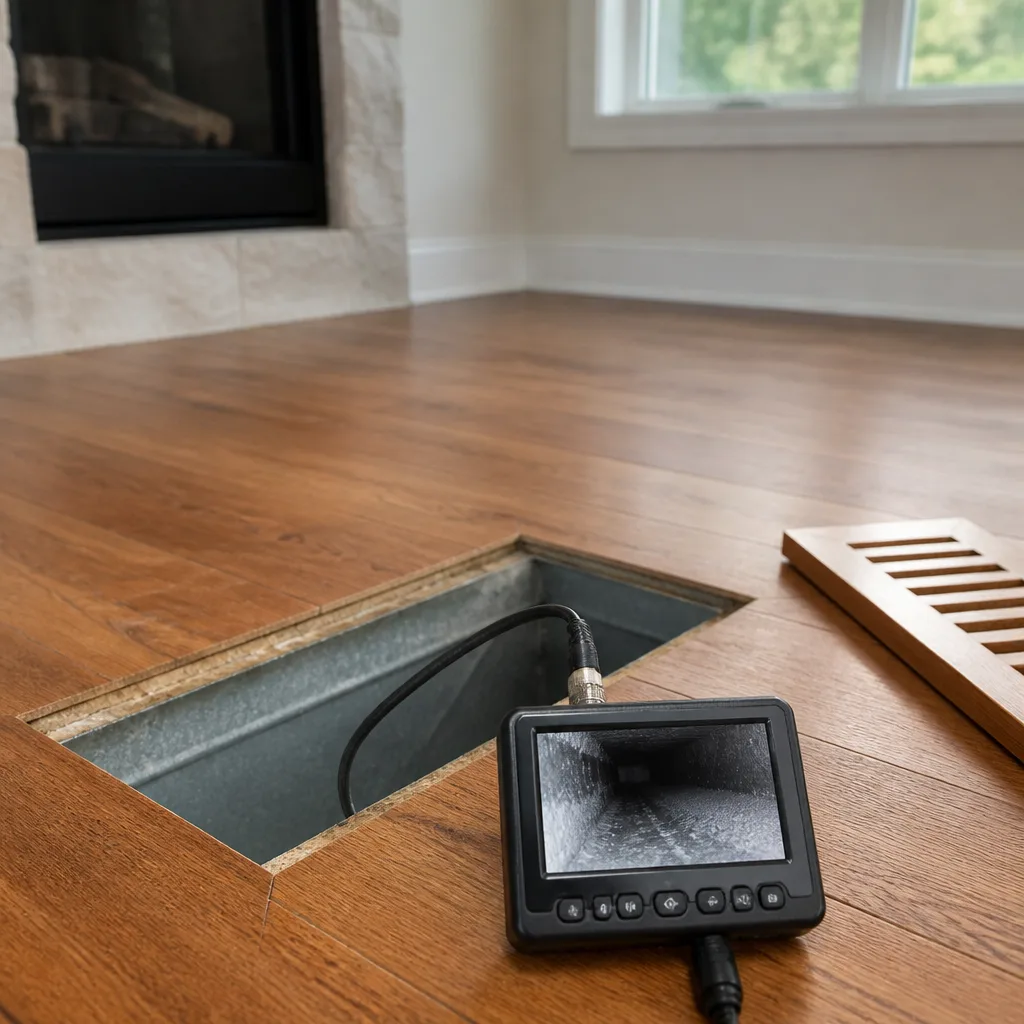 Camera inspection
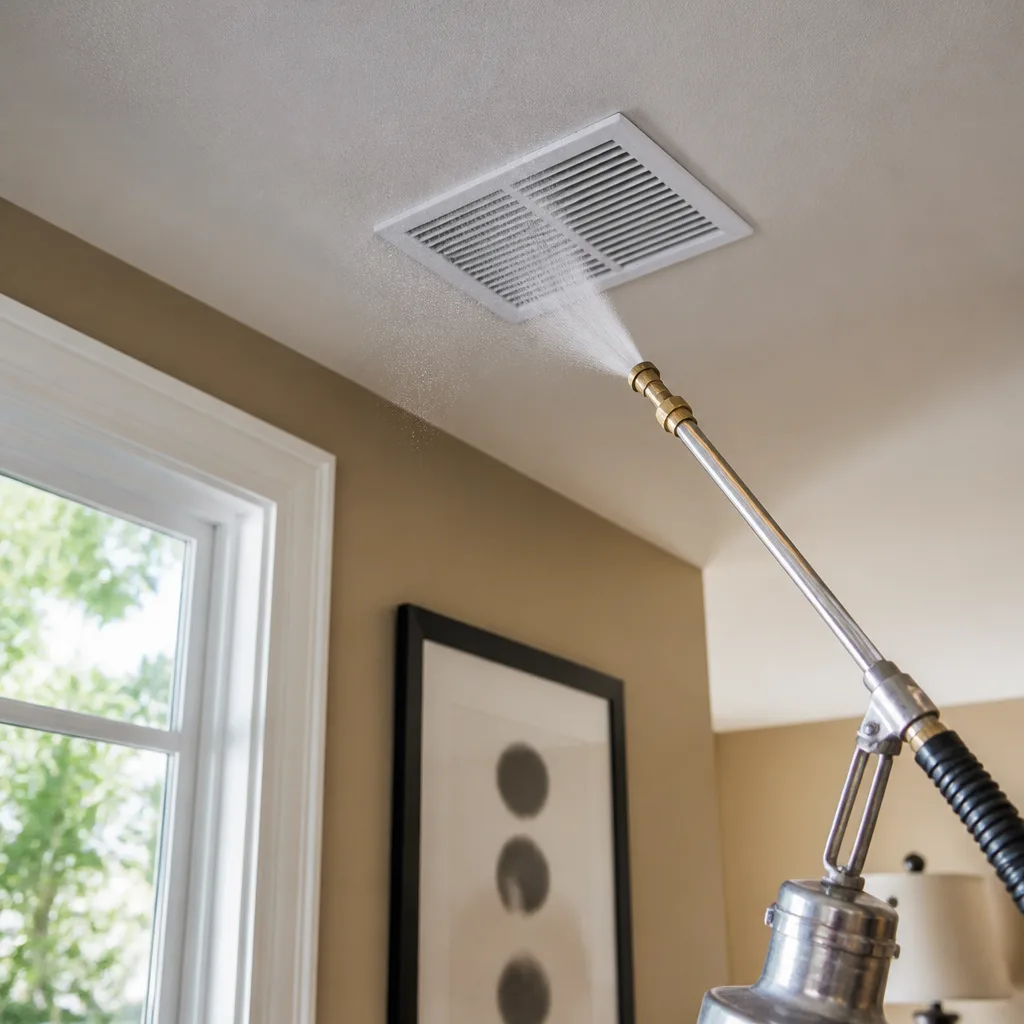 Sanitizing & deodorizing
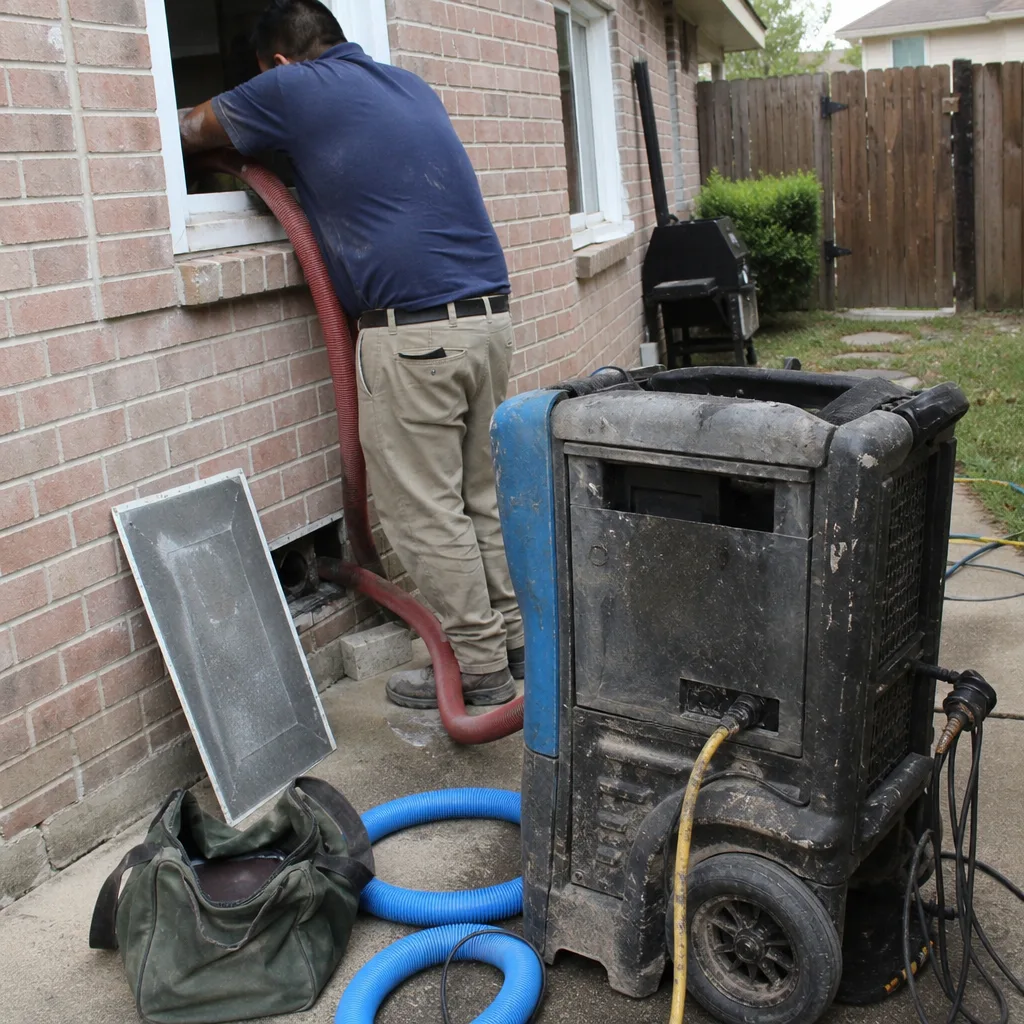
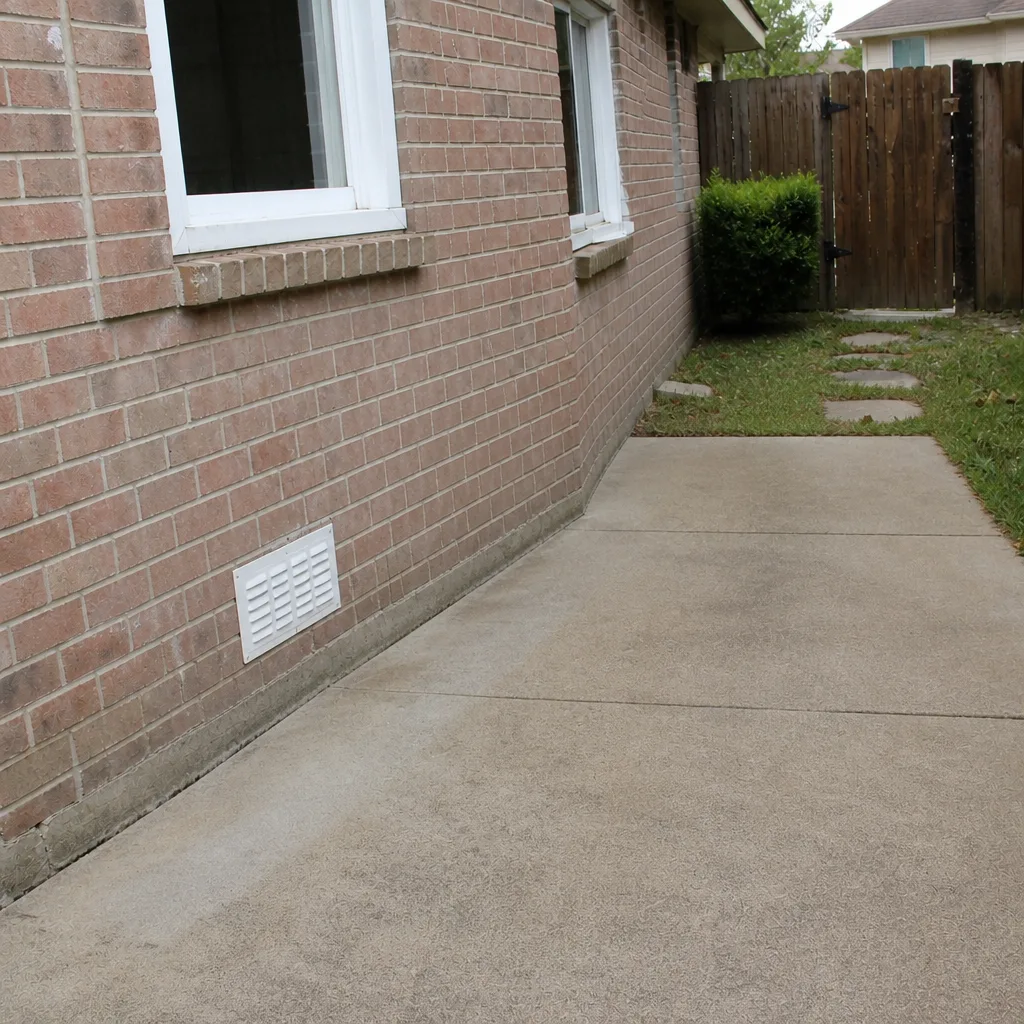
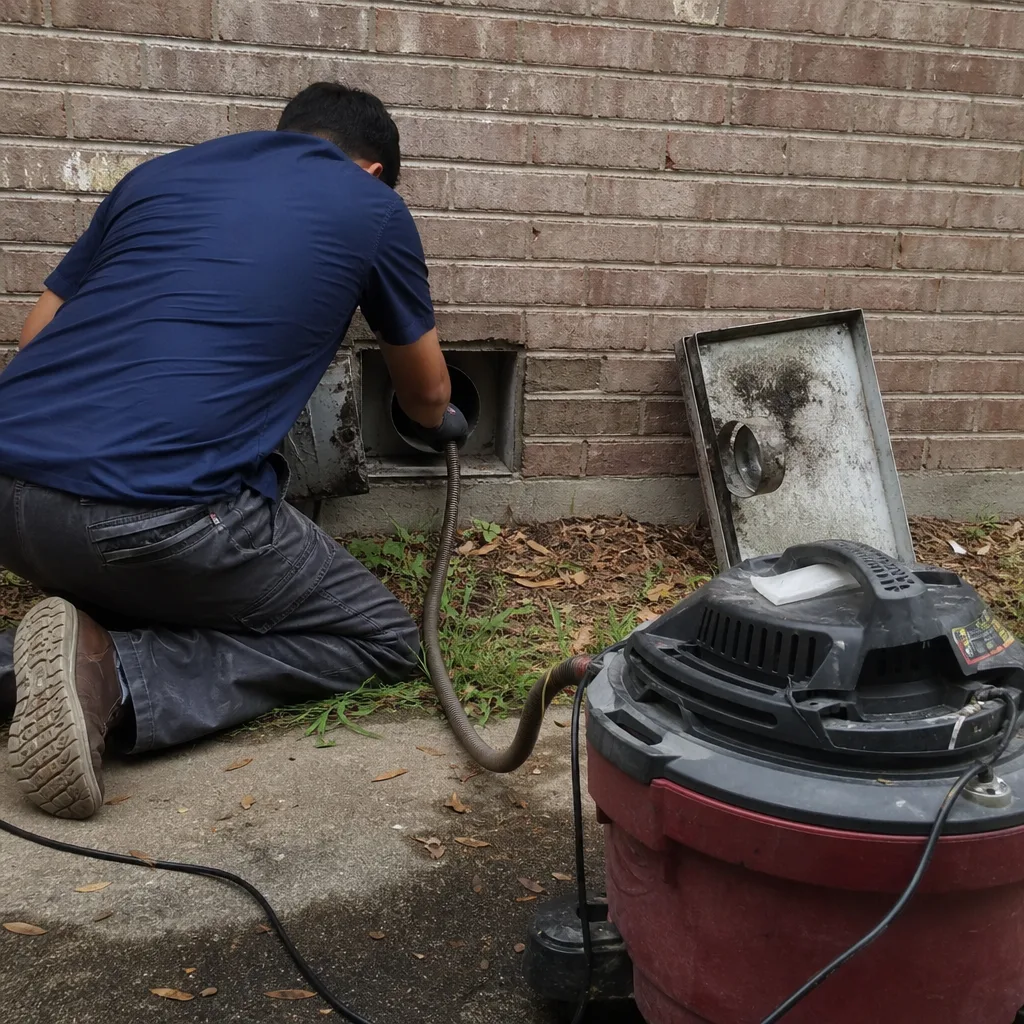
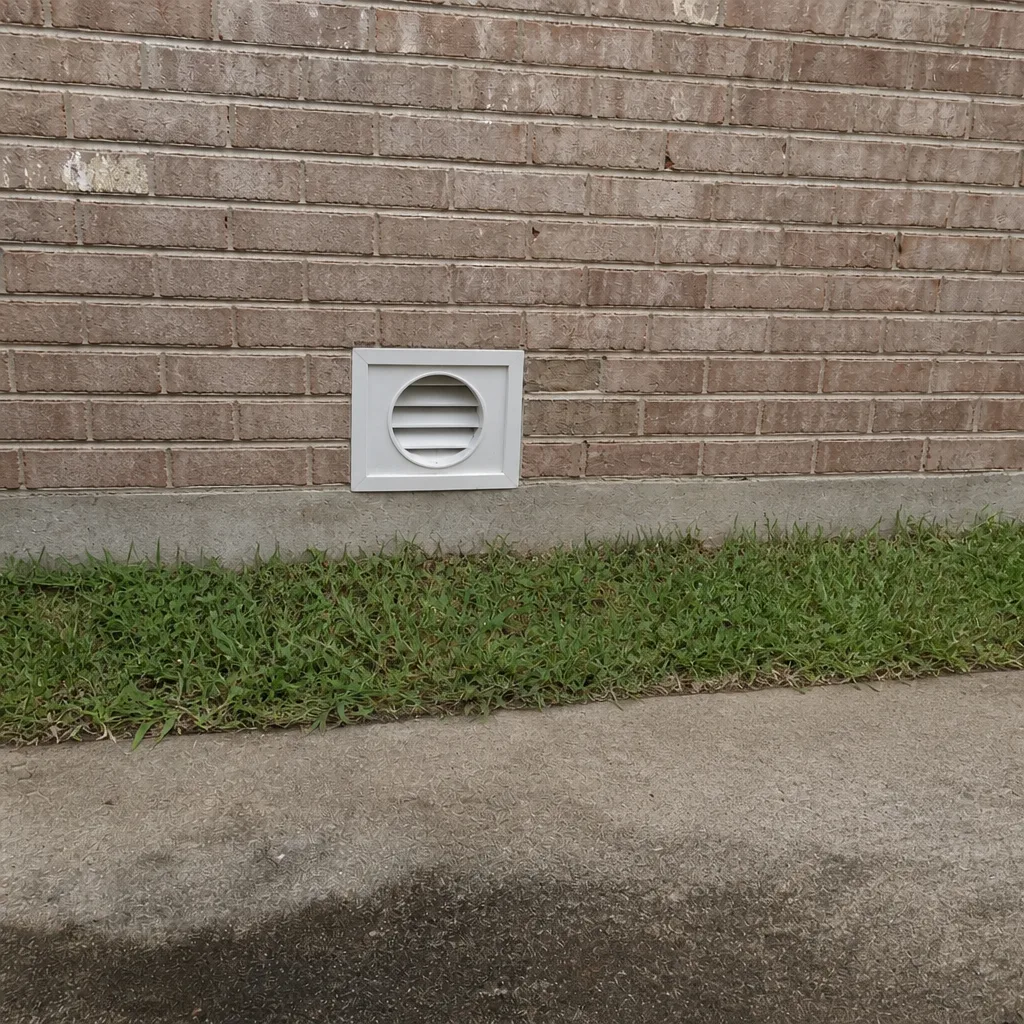
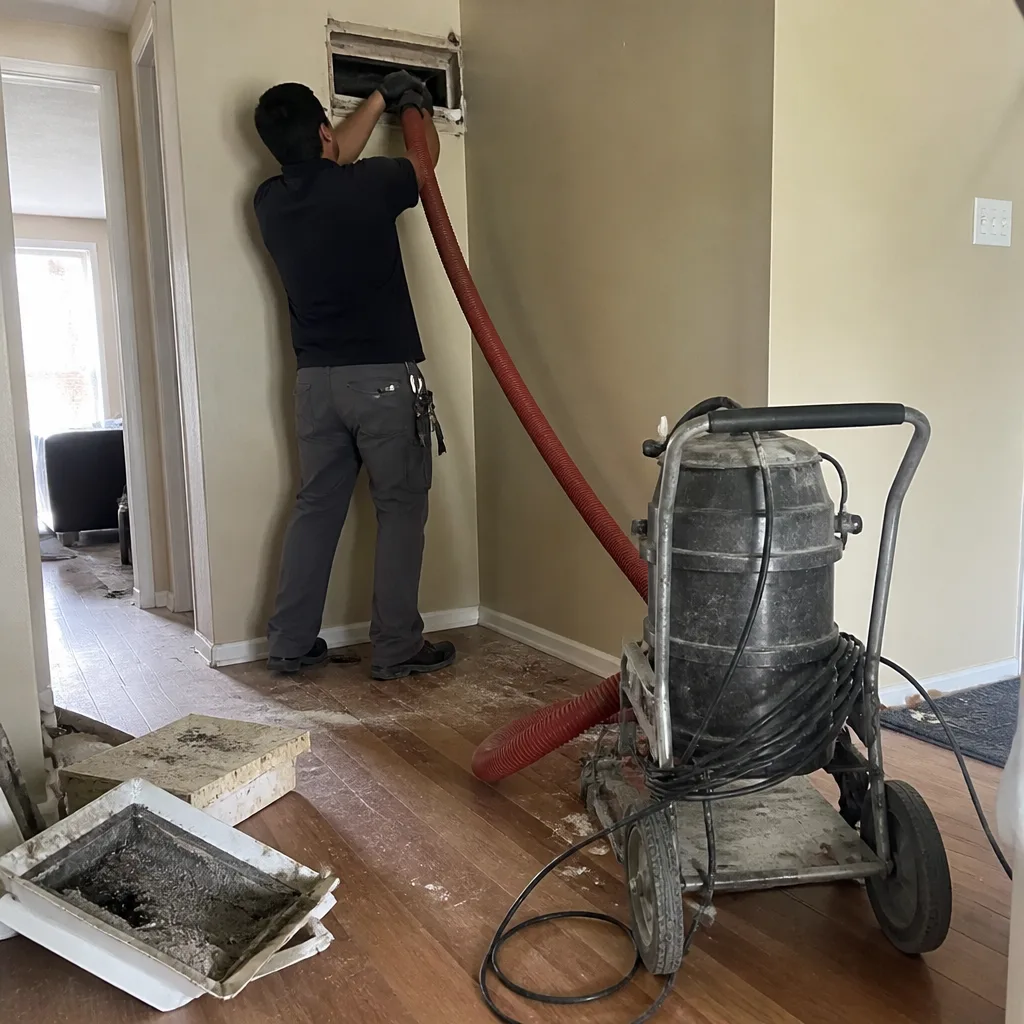
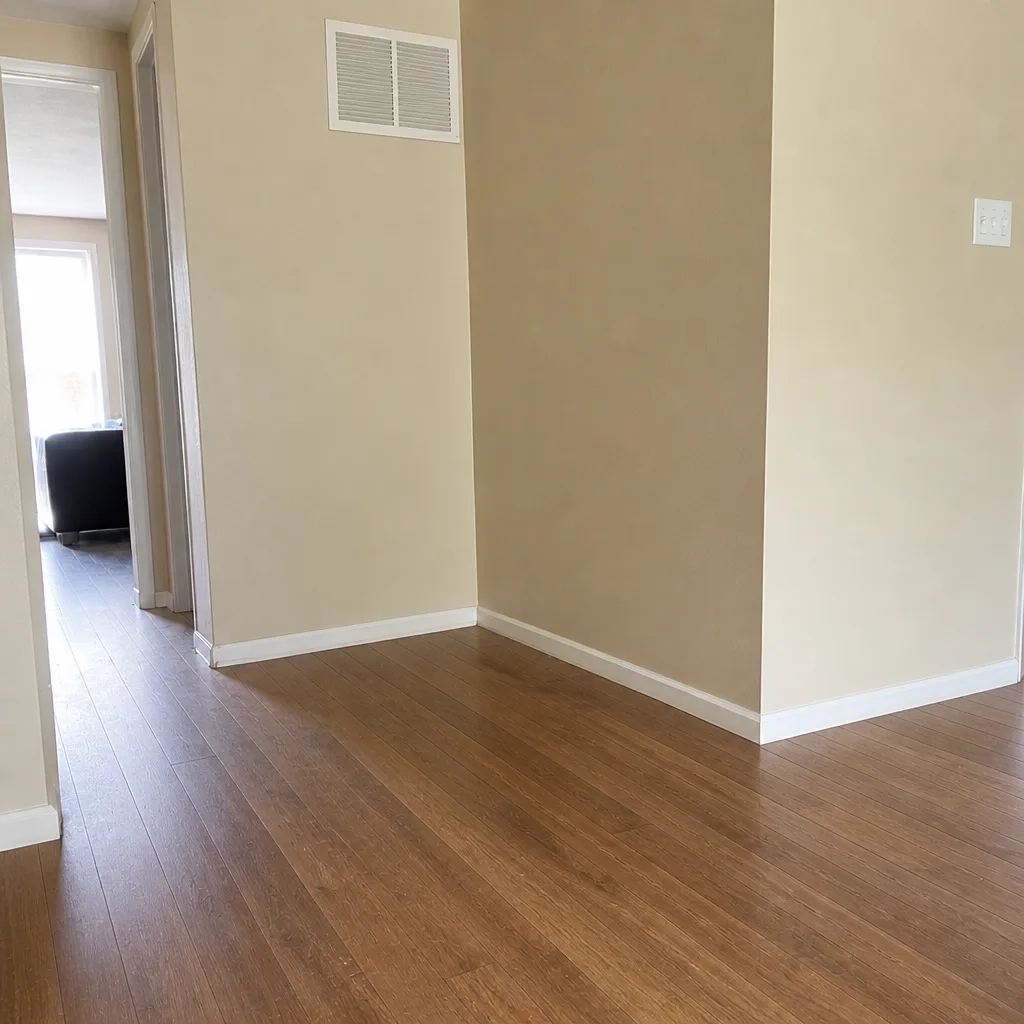
Whole-system duct and dryer vent check with before-and-after photos - you see exactly what came out of your vents
That "$99 whole-house special" is a bait ad - the real number appears once they are in your hallway, or the "clean" is a shop-vac at the register. We photograph the inside of your ducts before and after instead.
Air Duct Cleaning Cost Breakdown: The Alief Homeowner’s Reference for 2026
Two quotes land in your inbox on the same afternoon. One says $149 for a three-bedroom house. The other says $650 for the same house, same address, same square footage. It’s tempting to assume the higher bidder is padding the invoice, or that the lower one is running a lean operation. Neither is usually true. The gap almost always comes down to what rolled into the driveway: a truck-mounted negative-pressure unit with a HEPA-filtered vacuum and a rotary brush system, or a shop vac with a brush taped to a hose. You can’t see that difference in a quote number, but it decides what actually gets removed from your ducts. This guide breaks duct cleaning costs in Alief into their real line items so you can read a quote for what it is, not just what it charges.
Quick Answer
Air duct cleaning in Alief typically runs $250 to $650 for a standard home, with larger or heavily contaminated systems reaching $800 or more. That range covers the real work: inspection, negative-pressure setup, rotary brush cleaning per zone, HEPA filtration, and sanitizing. Below $150, you’re usually paying for a surface pass with consumer equipment, and per-vent pricing is the clearest sign of that. The written estimate sets the final price, and it should be free.
Styles & brands we work with
- Whole-home duct cleaning
- Dryer vent cleaning
- Camera inspection
- Sanitizing & deodorizing
Table of Contents
- What’s Actually in a Duct Cleaning Quote
- How Your Home’s Size and Layout Move the Price
- Flex Duct vs. Sheet Metal: Why Material Matters
- System Age and Contamination Levels
- Why Per-Vent Pricing Is a Red Flag
- Legitimate Add-Ons vs. Upsells
- How to Compare Competing Quotes
- Common Mistakes to Avoid
- When to Call a Professional
- Frequently Asked Questions
What’s Actually in a Duct Cleaning Quote
Every legitimate duct cleaning quote in Alief pays for the same six or seven line items. The numbers shift with the job, but the categories don’t. If a quote is missing two or three of them, it isn’t a discount. It’s a shorter job.
- System inspection ($0, bundled): A walkthrough of the return and supply runs, the air handler, and any accessible ductwork before a single tool comes out. This step also catches disconnected flex runs or crushed sections that no amount of cleaning will fix. If the technician skips it, the rest of the quote is guesswork.
- Negative pressure setup ($50 to $150): A HEPA-filtered vacuum connected to the system while the supply registers are sealed. This keeps dislodged debris from drifting back into the living room. We use Abatement Technologies negative-air and containment equipment for exactly this reason: containment first, cleaning second. A quote missing this line is a quote that plans to put dust back into the air.
- Rotary brush cleaning per zone ($100 to $250): The main event. Rotobrush rotary-brush systems agitate the duct walls mechanically, loosening the caked dust, pet dander, and drywall residue that vacuum alone can’t lift. Labor time scales with the number of zones in the system.
- HEPA filtration and vacuum extraction ($50 to $120): Nikro HEPA-rated vacuum equipment captures what the brushes free, down to fine particulates. This is the difference between “cleaned” and “cleared.”
- Sanitizing application ($75 to $150): A Guardsman-grade surface treatment applied after cleaning, not instead of it. Sanitizer sprayed over dirty ducts just seals the contamination in.
- Duct sealing ($150 to $400, if needed): Mastic or foil-tape sealing at joints and connections where leaks are pulling attic air, dust, or unfiltered return air into the system. Not every job needs it; the inspection tells you.
Add the line items up and the $250 to $650 range for a typical Alief home makes sense. It’s not a markup. It’s the cost of bringing HEPA-rated equipment and containment gear to the job and using both properly.
How Your Home’s Size and Layout Move the Price
Square footage is the starting number, but it’s the zone count that really drives cost. A 1,800-square-foot house with a single air handler and eight registers is a different job from the same square footage split across two stories with two air handlers and fourteen registers. More zones means more setup, more brush time, and more containment points.
In Alief, the housing stock varies more than the square footage suggests. The older ranch homes built in the 1970s and 1980s often carry duct systems with long horizontal attic runs, and those runs collect more dust because attic pull and heat cycling move it around. Newer subdivisions off Bellaire Boulevard tend to have tighter, shorter runs and better-sealed boots, which means shorter cleaning time. Both are legitimate. Neither is cheaper because of the address.
What matters for pricing:
- Register count: Supply plus return registers. Most quotes are built around this number, not square footage.
- Air handler count: A two-system home doubles the setup and containment work.
- Accessibility: Ducts that require opening a ceiling or removing a panel take longer than ducts accessible from the attic hatch.
- Return duct configuration: Panned floor joists and central returns with deep plenum boxes take more time to agitate properly.
If a quote for your Alief home reads the same as a quote for a house half its size, that’s a signal the pricing wasn’t calculated from your actual system. Ask how the number was built. A legitimate bidder can walk you through it.
Flex Duct vs. Sheet Metal: Why Material Matters
Flex duct and sheet metal duct collect contamination differently, and they respond to cleaning differently. Sheet metal is smooth and rigid. A rotary brush makes quick work of it, and the vacuum follows cleanly. Flex duct is corrugated, and those ridges trap dust in ways that a single brush pass can miss.
In our experience, flex duct jobs take longer and cost more because the brush has to stay in contact with the wall through every corrugation. Flex duct also degrades: after years of attic heat in Alief’s summers, the inner liner can sag or tear. When that happens, cleaning alone won’t do much, and duct repair or replacement of that run becomes the honest recommendation. That’s why Air Duct Cleaning Alief pairs cleaning with our Duct Repair & Sealing service rather than treating them as separate calls.
For pricing purposes:
- Sheet metal: Usually the fastest to clean per linear foot. Rigid runs hold up well to brush work.
- Flex duct: Slower per foot because of the corrugated surface. Also the section most likely to need replacing.
- Ductboard: Least common in Alief homes, but found in some older builds. Requires gentler agitation to avoid damaging the interior facing.
- Mixed systems: Common in homes that have had an addition or a system upgrade. Price each material by the number of runs.
Ask which material runs through your home before you compare quotes. A bidder who can’t tell you is bidding on a system they haven’t inspected.
System Age and Contamination Levels
A recently installed HVAC system in a five-year-old Alief home has been running long enough to accumulate a normal load of dust, but not enough to require extra passes. A system that’s been running for twenty years in the same house, especially one that has never been cleaned, is a different job entirely.
Contamination level changes the price in three ways. First, brush time increases when the dust layer is thick enough to require multiple passes. Second, sanitizing becomes a longer, more careful application. Third, the inspection is more likely to uncover secondary problems: microbial growth on the evaporator coil, a drain pan that’s been collecting standing water, or a section of flex duct that needs to be cut out and replaced.
If you’ve recently renovated, that’s another price mover. Drywall dust and construction debris are heavy and fine. They load up filters fast and coat the inside of the ducts. A post-renovation cleaning is worth doing before the new system runs a full season. Skip it and the debris ends up in the evaporator coil, which limits airflow and drives up energy use in a way that costs more than the cleaning.
Dryer vents are a separate concern with their own safety case. Lint buildup is a fire hazard, and it’s not addressed by duct cleaning alone. Our dryer vent cleaning is usually bundled with the same visit because it’s the same category of problem: airflow restriction and fire risk from a duct system nobody’s looked at in years.
Why Per-Vent Pricing Is a Red Flag
Per-vent pricing is the clearest signal that a quote was built by an operation with low equipment overhead. Here’s why: a $20-per-vent quote sounds reasonable at first read. Multiply by twelve registers and you get $240. But an outfit pricing per vent has no incentive to clean the ductwork between the registers. The cost structure rewards them for showing up, popping a shop vac hose into each vent for a minute, and moving on.
The main duct trunks, the plenum, the air handler, and the return runs – the parts that hold the most contamination – aren’t in that price. They can’t be, because cleaning them takes real time and real equipment.
Whole-system pricing signals the opposite. When a contractor quotes you a single number for the entire system, they’ve priced the work based on what it takes to do it right: negative pressure setup, rotary brush work through every run, HEPA capture, sanitizing. They’ve seen your system, walked the trunk lines, counted the zones. The number reflects the actual job.
Ask two questions of any quote:
- Does this price cover the air handler, the main trunk, and the returns, or just the registers?
- Will you show me before-and-after photos of the actual ductwork in my home?
Per-vent pricing usually fails both. Whole-system pricing usually answers both without hesitation. If a contractor can’t hand you photos of what came out of your ducts, you don’t know what was done. You just know what was charged.
Legitimate Add-Ons vs. Upsells
Some add-ons genuinely serve the job. Others are there to lift the invoice. The line is usually easy to draw once you know what each one actually does.
Legitimate add-ons
- Drain pan treatment ($50 to $125): Standing water in the drain pan grows biological contamination that feeds back into the airstream. A pan treatment combined with sanitizing addresses the source instead of the symptom.
- Mastic sealing ($150 to $400): Ductwork joints leak. Sealing them is real work with a measurable result: less attic air in the system, less energy waste, better filtration performance.
- UV lamp installation ($200 to $450): A UV-C lamp near the evaporator coil helps suppress microbial growth where moisture collects. It’s a real product, not a placebo, and Honeywell and Aprilaire make integrated options that work with existing systems. Worth it if you’ve had recurring coil growth or persistent odors.
- Whole-home filtration upgrade ($200 to $600): A media or electronic filter at the air handler, integrated with the existing system. This is where HVAC cleaning and air-quality upgrades overlap. Clean coils and proper filtration work together.
Upsells that rarely add value
- “Enzyme treatment” sprayed over dirty ducts: If the ducts weren’t cleaned first, the treatment is decorative.
- Deodorizing fog: Masks odor for a few days. Doesn’t remove the source.
- Second “deep sanitizing” pass: If the first pass was done with proper equipment on clean ducts, a second pass adds nothing measurable.
- Annual “maintenance plan” pitched at the door: Duct cleaning isn’t an annual service. It’s a when-needed service.
A legitimate add-on comes with a reason: what it fixes, what it costs, and why your specific system needs it. An upsell comes with urgency.
How to Compare Competing Quotes
The most useful habit in this process is treating quotes as scope documents first and prices second. Two quotes at $500 aren’t the same quote unless they cover the same work. Two quotes at $149 and $650 usually aren’t comparing the same job at all.
Here’s a side-by-side method that works:
- Write down the line items from the quote. Inspection, negative pressure setup, rotary brush cleaning, HEPA filtration, sanitizing, sealing. Check which ones are present and which are missing.
- Ask the equipment question. “What brand of vacuum and brush system will you bring?” Listen for Rotobrush, Nikro, or Abatement Technologies. Those are the names you should hear. A shop vac or a generic “powerful vacuum” answer tells you the equipment grade.
- Ask how the cleaning is contained. Negative pressure with HEPA filtration is the gold standard. If the technician can’t explain how dust is kept out of the living space, they don’t have the equipment to do it.
- Ask whether sealing is included or quoted separately. Ducts that leak will keep pulling dust in after cleaning. Sealing is part of the fix, not a luxury.
- Ask for before-and-after photos. Photos of your actual system, not stock images. This is where a professional who uses professional-grade equipment on every job differentiates.
- Then compare prices. Once you know each quote covers the same scope, the price comparison is honest.
Compare the air duct cleaning scope in each bid against the line items above. A quote with all six line items priced fairly is worth more than a cheaper quote missing half of them. The cheapest job is the one that gets done once.
Common Mistakes to Avoid
- Chasing the lowest quote. The cheapest bids in Alief are usually per-vent pricing for a register-only pass. Your ducts will look clean when the technician leaves, and the contamination in the trunk lines will still be there.
- Skipping the inspection. A contractor who quotes without walking the system is guessing. A disconnected flex run or a crushed return can make a “cleaning” totally ineffective, and only an inspection catches it.
- Assuming sanitizing replaces cleaning. Sanitizer applied to contaminated ductwork seals in the problem. It only works after the rotary brush and HEPA vacuum have done their job.
- Ignoring your dryer vent. Lint buildup in the vent is a fire risk, and it isn’t included in duct cleaning unless you ask. In Alief, where many homes have long dryer vent runs to exterior walls, lint accumulates faster than people expect.
- Not asking about sealing. Cleaning unsealed ducts is cleaning a system that will recontaminate faster. If the joints leak, the work has a shorter lifespan.
- Treating duct cleaning as an annual service. The right interval depends on pets, renovations, allergies, and whether you run the system heavily. Every few years is more typical than every year.
- Paying up front without a written scope. The written estimate is the contract. It should list the line items, the price, and the work included. If it doesn’t, ask for one that does.
When to Call a Professional
It’s time to call when the evidence points to the ducts as the source. Persistent dust settling on furniture hours after cleaning. Musty odors from the vents when the system kicks on. Visible dark streaks around the register covers. Recent renovation that produced fine dust. A known pet problem that’s been building for years. A dryer that takes two cycles to dry a load. Allergy symptoms that get worse when the system is running, not better. These are signs that a specific, equipment-driven cleaning will do real work.
Air Duct Cleaning Alief offers free estimates across Alief. Call (877) 492-3978. We answer 24/7. Fast dispatch from 7am to 7pm, Sunday through Friday. The written estimate sets the price per job, and it’s free.
Frequently Asked Questions
Air duct cleaning in Alief typically costs $250 to $650 for a standard home, and can reach $800 or more for larger homes, multi-system layouts, or systems with heavy contamination. The range covers inspection, negative pressure setup, rotary brush cleaning, HEPA filtration, and sanitizing. A written estimate after an on-site inspection is the only way to know your actual number. Call (877) 492-3978 for a free estimate.
Cheap quotes are almost always built on two things: per-vent pricing and consumer-grade equipment. A $149 quote for a three-bedroom house typically means a shop vac with a brush attachment and a pass over the register openings, not the trunk lines or air handler. The work looks about the same in the invoice and very different in the ducts. Cheaper isn’t a discount on the same job. It’s a different job. Call (877) 492-3978 to compare a whole-system quote against what you’ve been given.
Ask for before-and-after photos of the ductwork inside your own home, not stock images. A contractor who uses professional equipment on every job can show you what came out of the ducts. If they can’t, you don’t have evidence. Rotobrush and Nikro systems make the cleaning visible, and the photos make it verifiable. Call (877) 492-3978 to schedule an estimate and ask about photo documentation.
Most Alief homes don’t need duct cleaning every year. Every three to five years is a reasonable baseline for a typical home, and more often if you have pets, have recently renovated, or have family members with allergies or asthma. The honest trigger is evidence: dust buildup, odors, or visible contamination at the registers. Call (877) 492-3978 for a free estimate and an honest recommendation.
It can, because flex duct’s corrugated interior traps dust in the ridges and requires slower brush passes to clean properly. Sheet metal is faster per linear foot. Flex duct also fails more often, so repairs get quoted alongside the cleaning. The estimate accounts for both materials when both are present. Call (877) 492-3978 to have your system’s duct material walked through before pricing.
Not usually. Sealing is quoted as a separate line item because it’s separate work: mastic or foil-tape at joints and connections where leaks are pulling attic air into the system. Some homes don’t need it and some do, which is exactly why it’s priced after inspection rather than bundled in. Ask your contractor to identify visible leaks during the walkthrough. Call (877) 492-3978 for a free estimate that includes a sealing assessment.
The Bottom Line
The spread between a $149 quote and a $650 quote in Alief isn’t about profit margin. It’s about whether a truck-mounted negative-pressure unit and a rotary brush system showed up, or a shop vac with a brush did. The real cost of air duct cleaning in Alief is $250 to $650 for a standard home, and each line item in that range pays for work you can verify: inspection, containment, HEPA filtration, brush cleaning per zone, sanitizing, and sealing where it’s needed. Compare quotes on scope, not just price. Ask about equipment. Ask for photos. Then decide. The written estimate sets the final price, and it should be free.
Call (877) 492-3978 for a free estimate. We answer 24/7. Fast dispatch from 7am to 7pm, Sunday through Friday. One flat price per system, agreed before work starts, with before-and-after photos of your own ducts. The local pro is licensed and insured as their state requires, and our technicians have up to 15 years of experience.
Written by the team at Air Duct Cleaning Alief.
See the difference
 Before
 After
 Before
 After
 Before
 After