
Last updated November 25, 2026
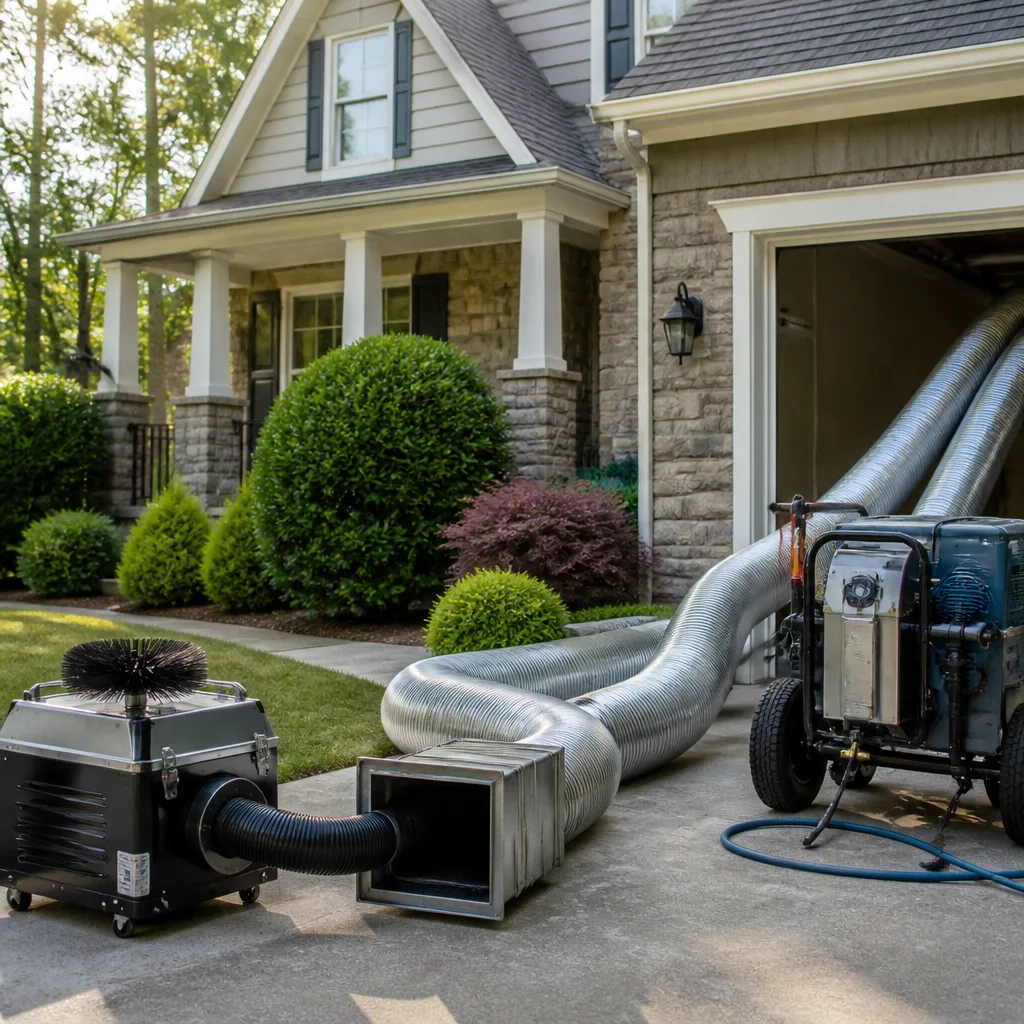 Whole-home duct cleaning
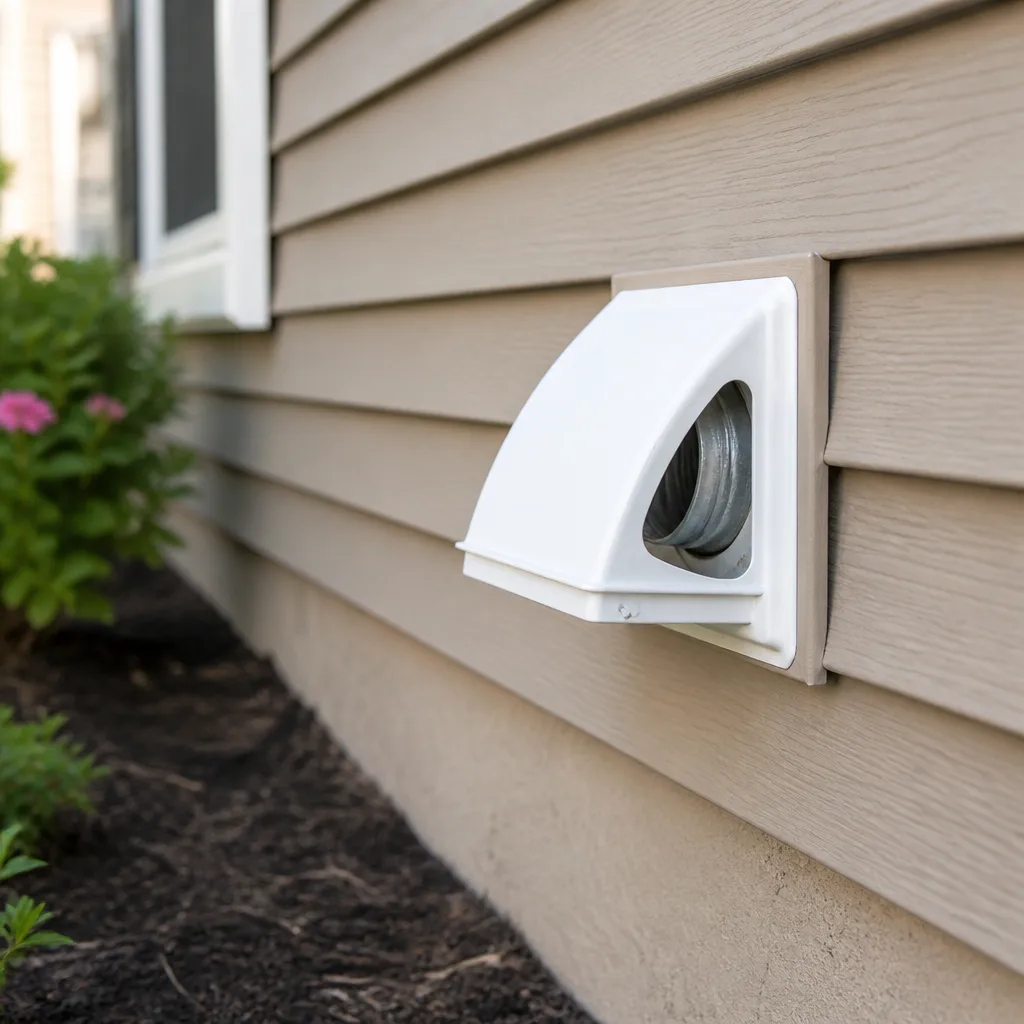 Dryer vent cleaning
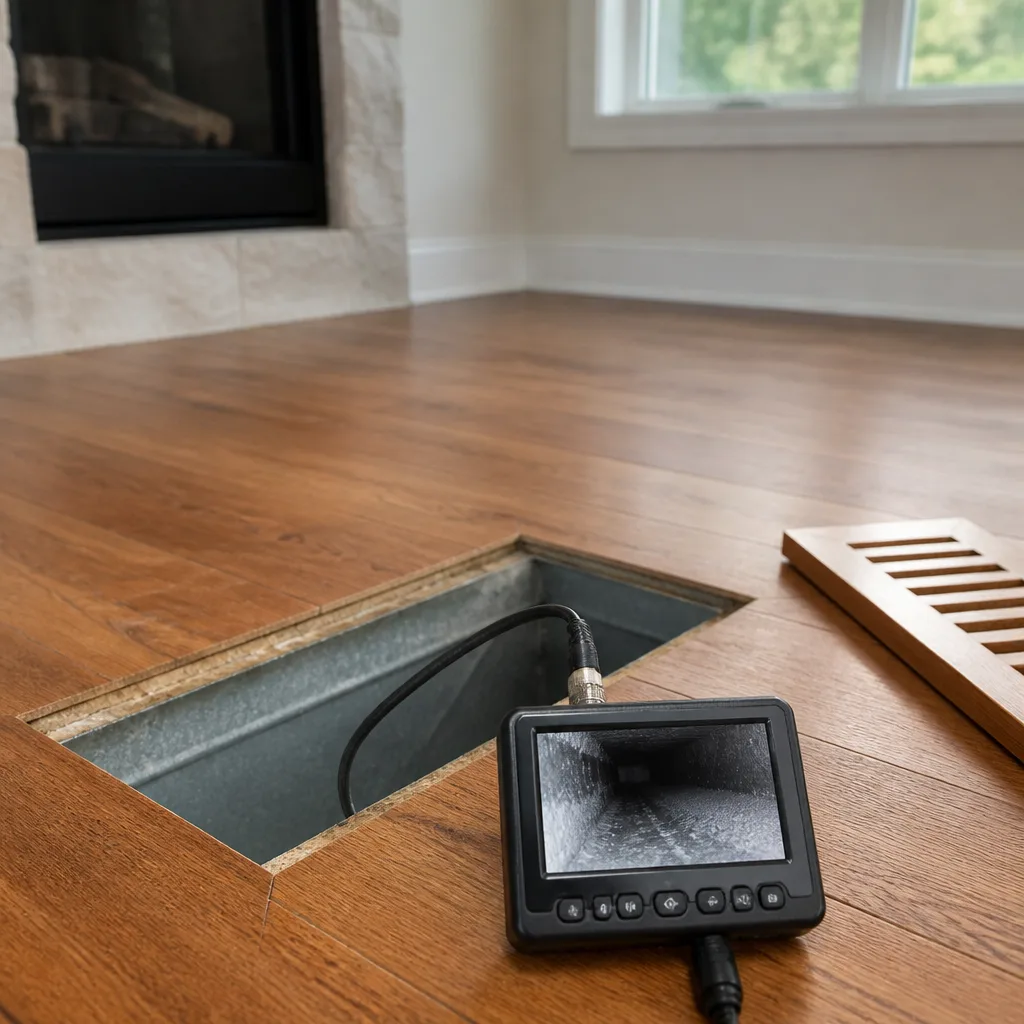 Camera inspection
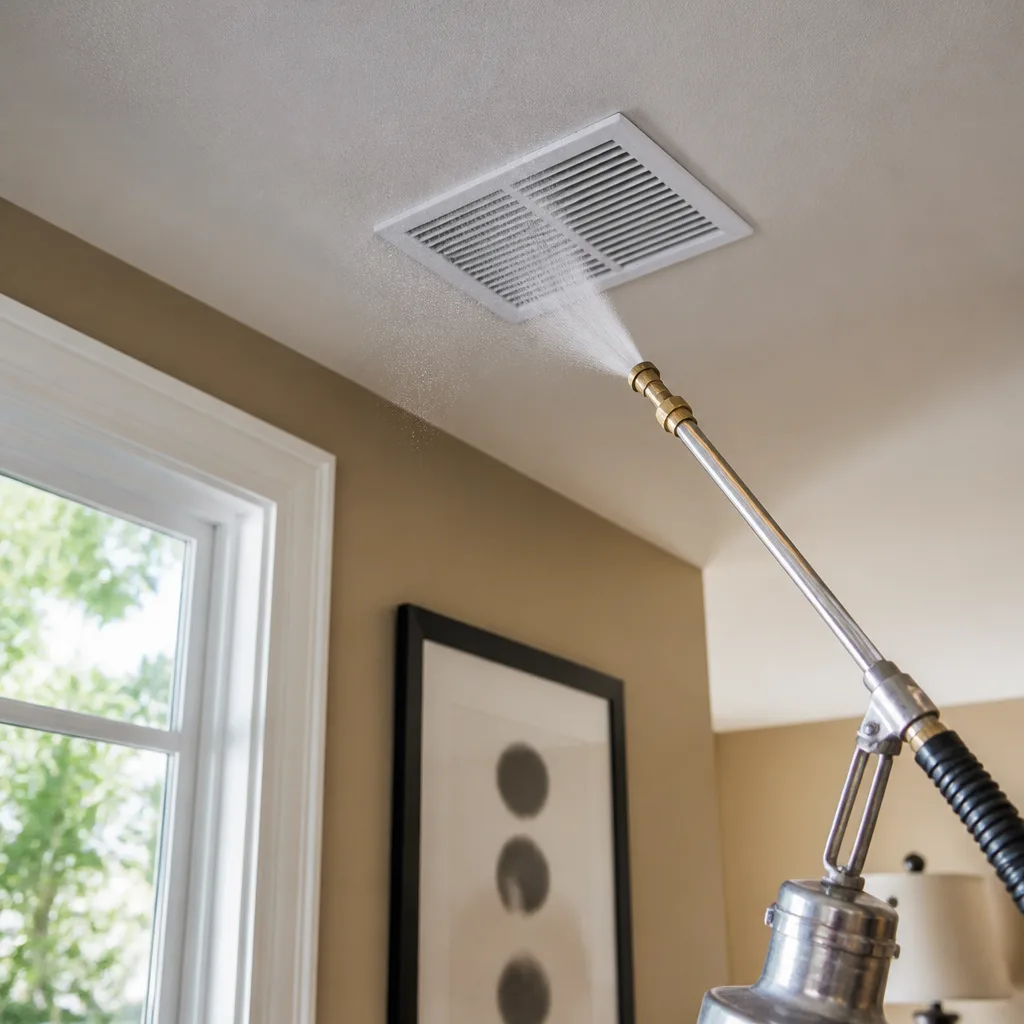 Sanitizing & deodorizing
Whole-system duct and dryer vent check with before-and-after photos - you see exactly what came out of your vents
That "$99 whole-house special" is a bait ad - the real number appears once they are in your hallway, or the "clean" is a shop-vac at the register. We photograph the inside of your ducts before and after instead.
Air Duct Cleaning Maintenance Checklist for Alief Homeowners
Most duct cleaning advice you’ll find online was written for a house that heats hard for six months and cools for three. Alief doesn’t work that way. Here, the air conditioner carries the load for eight or nine months of the year, and that changes everything about how fast ducts get dirty and when maintenance actually matters. A four-seasons checklist built for Ohio will leave you two steps behind your own system. This guide gives you a maintenance calendar built around Alief’s real HVAC run cycles, plus the inspections you can do yourself between professional visits and the performance numbers worth writing down. By the end, you’ll know what to check, when, and why.
Quick Answer
For most Alief homes, air ducts should be professionally cleaned every two to four years, with filters changed every 30 to 90 days depending on pets and occupancy, and once-a-year visual checks at every supply and return register. Homes with pets, recent remodeling, or attic ductwork should shorten the professional interval to every two years and inspect more often. The single biggest factor is cooling runtime: an Alief system running eight to nine months a year accumulates contamination roughly twice as fast as one in a mild northern climate.
Styles & brands we work with
- Whole-home duct cleaning
- Dryer vent cleaning
- Camera inspection
- Sanitizing & deodorizing
Table of Contents
- Why Alief’s Cooling Season Sets the Maintenance Clock
- The Month-by-Month Maintenance Calendar
- Filter Change Intervals Calibrated to Alief Runtime
- What You Can Inspect Yourself at Registers and Returns
- Logging HVAC Performance Metrics to Spot Duct Trouble
- Pets, Remodels, and Attic Ducts: Adjusted Checklists
- What a Professional Duct Cleaning Visit Actually Involves
- Why Sealing and Repair Belong on the Checklist
Why Alief’s Cooling Season Sets the Maintenance Clock
Duct contamination is a function of air volume moved, not calendar time. An Alief HVAC system runs cooling loads eight to nine months a year, and that’s roughly double the annual runtime of a home in a northern climate. Every hour the blower pushes air, it also pushes dust, pollen, pet dander, and whatever else is suspended in the return air stream through the ductwork. More runtime means more contaminant loading, which means the timelines you read on national websites are usually too generous for Alief.
There’s a second Alief-specific factor: the attic. Most of the housing stock here routes ductwork through the attic, and attic temperatures in a Texas summer can climb well past anything a conditioned space sees. That heat stresses duct insulation, flex duct connections, and sealant joints. A duct run that stays airtight for a decade in a cool climate can develop pinhole leaks and disconnected joints here in a fraction of that time. Those leaks pull attic air, insulation fibers, and dust straight into your supply air.
We build every air duct cleaning Alief maintenance recommendation around these two realities. It’s not a one-size calendar. It’s a timeline that accounts for the fact that your system works twice as hard as the national average and that your ductwork lives in an environment that punishes it.
- Runtime loading: double the national average means roughly double the contaminant accumulation rate.
- Attic heat stress: sustained high attic temps degrade flex duct, sealant, and insulation over time.
- Pollen season: spring and early summer load the return side with fine particulate that settles in duct runs.
- Long shoulder season: mild winters mean the system never fully rests, so contamination rarely gets a break.
The Month-by-Month Maintenance Calendar
A generic four-seasons checklist doesn’t fit Alief. This one does. It’s organized around when your system is working hardest, when it’s most likely to be pulling outside air, and when indoor conditions let you inspect without fighting a running blower. Use it as a rolling year, tuning dates to your own home.
- January: Replace the filter. Inspect the return grille for visible dust buildup. This is a low-load month, so it’s a good time to open the air handler closet and check the blower wheel for buildup.
- February: Check every supply register for airflow. Note any room that feels weaker than it did last year. Listen at each register for whistling or rattling that could signal a loose joint.
- March: Filter change. Before pollen season peaks, walk the attic and look at duct connections and insulation. This is the month to photograph any sagging or separated flex duct.
- April: Deep-clean supply and return grilles with a vacuum and damp cloth. Log your baseline temperature differential between return and supply air.
- May: Filter change as cooling season ramps. If you have pets, this is when intervals should shorten. Schedule professional cleaning if it’s been two years or more.
- June and July: Peak cooling load. Monthly filter checks. Watch for musty odors at registers, which often trace to microbial growth on a damp evaporator coil, not the ducts alone.
- August: Filter change. Log temperature differential again and compare to April. A widening gap points to duct leaks or coil fouling. Check the condensate drain.
- September: Filter change. Inspect the return plenum for dust streaks that suggest seal failure. This is the best month for HVAC cleaning before the system settles into shoulder-season use.
- October: Dryer vent inspection. Lint accumulation is a fire risk year-round, and fall is a good reminder checkpoint. See our dryer vent cleaning guide for what to look for.
- November: Filter change. Check attic ductwork again as temperatures ease. Look for rodent activity and new gaps at connections.
- December: Year-end log review. Compare your filter change count, temperature differential readings, and any airflow notes. If they all trend the wrong direction, it’s time for professional inspection.
This calendar isn’t a rigid schedule; it’s a framework. Shift months to fit your home’s actual load pattern, but keep the order: inspect before peak, log during peak, review after peak.
Filter Change Intervals Calibrated to Alief Runtime
Manufacturer filter labels usually say something like “change every three months.” That guidance assumes average runtime. In Alief, where the blower runs through most of the year, three months of runtime here is closer to five or six months of runtime in a cooler climate. If you follow the label, you’re changing late, not on time.
Here’s the calibration we recommend:
- Single occupant, no pets, no allergies: every 60 to 90 days during cooling season, every 90 days otherwise.
- Pets in the home: every 30 to 45 days. Pet dander and hair load the filter fast.
- Allergy sufferers: every 30 days during spring pollen and peak summer.
- Recent remodel or nearby construction: every 2 to 4 weeks until the dust settles, then return to normal.
- Smokers in the home: every 30 days.
Filter type matters as much as interval. A cheap fiberglass filter catches large debris but lets a lot of fine particulate through to the coil and duct. A pleated MERV 8 to MERV 11 filter is the sweet spot for most Alief homes. Going higher than MERV 13 without checking your system’s static pressure can starve airflow and stress the blower. That’s a trade-off worth discussing rather than guessing.
If you want to move beyond a filter slot, a whole-home filtration or humidity product from a recognized brand like Aprilaire or Honeywell integrates with your existing HVAC system and handles fine particulate more consistently than a standard filter. We install and service those systems as part of a broader indoor air quality visit, but the filter calendar above still applies.
What You Can Inspect Yourself at Registers and Returns
You don’t need professional equipment to catch the early signs of duct trouble. A flashlight, a step stool, and five minutes per register will tell you a lot. Here’s what to look for between professional visits.
At supply registers:
- Shine a light into the duct throat. Visible dust coating the duct walls is normal; thick fuzz, matting, or dark patches are not.
- Check the register face. A uniform light dust film is expected. Dark streaks radiating from the edges suggest a loose seal at the boot.
- Look for moisture. Any condensation or damp dust around a register means the supply air is too cold for the space or the duct insulation has failed.
- Listen. Whistling at one register while others are quiet often means a damper has moved or a duct has collapsed.
At return grilles:
- Remove the grille and look at the return plenum. Dust streaks around the frame mean air is bypassing the filter.
- Check the filter fit. A filter that doesn’t seat fully lets unfiltered air through, and that’s a common source of coil and duct fouling.
- Sniff. A musty or stale odor at the return is a stronger sign of microbial growth than anything visible.
Around the air handler:
- Look for dust streaks on the cabinet seams. Those are pressure-driven leaks pulling unfiltered air.
- Check that the condensate pan is clean and the drain is clear.
- Feel the supply plenum. It should be cold; if it’s sweating, insulation is missing or damaged.
Write down what you find and when. That log becomes the basis for a much more accurate conversation with a professional than “my air feels off.”
Logging HVAC Performance Metrics to Spot Duct Trouble
Duct deterioration is gradual, and that’s what makes it easy to miss. If you log two numbers each season, you’ll spot the trend before you feel it in comfort or your energy bill. These aren’t advanced diagnostics; they’re homeowner-level readings that flag when it’s time for a professional test.
Metric 1: Temperature differential. Measure the air temperature at a large return grille and at a supply register in the same room, using an inexpensive digital thermometer. Hold each reading for a minute or two until the number stabilizes. A healthy cooling system typically delivers a supply temperature 15 to 22 degrees cooler than return air. If that differential shrinks over the season, you’re losing conditioned air to duct leaks or losing coil performance. Log it monthly during peak summer.
Metric 2: Static pressure. This one requires a small handheld manometer, which you can find for modest cost. It measures the resistance the blower works against. Take a reading at the return plenum or a test port if one exists. Rising static pressure means the system is working harder to push the same air, usually from a clogged filter, blocked coil, or collapsed duct. Log it after each filter change.
Metric 3: Run time. Note roughly how many minutes per hour your system runs on a typical 95-degree afternoon in July versus a mild 80-degree day in May. If the peak-load run time creeps upward year over year, something in the system is degrading. Duct leaks are a common culprit because they waste cooling before it reaches the room.
Keep these numbers in a simple notebook or spreadsheet. Even a rough log tells you more about your duct health than a visual check alone, and it gives a professional something concrete to work from. When we serve a home in Alief, we’ve learned that the properties with the best long-term indoor air quality are the ones where the owner keeps some kind of record.
Pets, Remodels, and Attic Ducts: Adjusted Checklists
Standard intervals don’t fit every home. Three factors push Alief properties onto a shorter maintenance cycle, and they’re common enough here to plan for.
Homes with pets. One cat or dog doubles the particulate load on the return side. Two large dogs push it higher still. Adjust the filter interval to 30 to 45 days, shorten professional cleaning to every two years, and inspect returns monthly. Pet dander clumps at duct transitions and in flex duct corrugations; a rotary-brush cleaning is what actually lifts it, given the suction behind it. That’s why we use Rotobrush rotary-brush systems alongside Nikro HEPA-rated vacuum equipment on every job, rather than passing a shop vac through the register and calling it done.
Recent remodels. Drywall dust, sawdust, and construction debris persist in a duct system long after the plastic sheeting comes down. If you’ve remodeled in the last year, plan a professional cleaning even if your normal interval isn’t due. The fine particulate ends up on the evaporator coil, and that’s where it does real damage to efficiency. Also plan a re-check of your filter fit and return plenum after the job; tradespeople who work near the air handler can knock a filter loose.
Attic ductwork. Almost every Alief home with attic ductwork should treat it as a distinct checklist item. Once a year, walk the attic and look for:
- Sagging or kinked flex duct, which restricts airflow and traps debris.
- Disconnected or slipped joints at boots and plenums.
- Duct insulation that’s torn, compressed, or missing sections.
- Rodent damage or nesting material near duct runs.
- Condensation stains on the sheathing above duct runs.
Any of these warrants professional attention before duct cleaning, because cleaning a leaking system just sends cleaned air back into the attic. Repair and sealing come first. That’s why our air duct cleaning visit includes a check of duct integrity, and why duct repair and sealing is a service in its own right.
What a Professional Duct Cleaning Visit Actually Involves
A real duct cleaning job is not one technician with a shop vac and a register brush. It’s a contained process, and knowing what it should involve is how you tell a serious operation from a low bid. Here’s the sequence we follow on every visit.
- Assessment and containment setup. The technician walks the system, identifies returns, supplies, the air handler, and any attic runs. Negative-air containment equipment goes in before any cleaning starts. We use Abatement Technologies containment gear so dislodged debris is captured and controlled rather than redistributed through the living space.
- Source removal with rotary agitation. A rotary-brush system runs through each supply and return duct, loosening the bonded dust and debris that vacuum alone can’t lift. Every brushed section is under continuous negative pressure from a HEPA-rated vacuum.
- HEPA vacuum extraction. Nikro HEPA-rated vacuum equipment pulls the dislodged material out of the system and traps it. The HEPA rating matters: a standard shop vac exhausts fine particulate back into the room, which defeats the point.
- Air handler and coil cleaning. The blower wheel, evaporator coil, and condensate pan get cleaned as part of the visit. A clean duct system downstream of a fouled coil doesn’t stay clean for long.
- Sanitizing treatment. An EPA-registered sanitizing product is applied to duct interiors where assessment shows microbial growth or odor. We use Guardsman-grade surface and sanitizing protocols for that step, and we apply them to the extent the inspection calls for it, not blindly.
- Before-and-after documentation. Photos of the duct interior at each access point, before and after, so you can see the work was done.
- Sealing and repair recommendations. Any leaks, disconnected joints, or degraded insulation found during the job get written up. Sealing is often what keeps the cleaning effective.
- Dryer vent cleaning. Included in the service scope on properties with a dryer. It’s a fire-safety item most duct-only cleaners don’t handle.
We use professional-grade equipment on every job, including the same Rotobrush and Nikro systems used in commercial and industrial indoor air quality work. That’s not a marketing point; it’s the difference between a cleaning that actually removes the contamination and one that stirs it up.
Why Sealing and Repair Belong on the Checklist
Cleaning a duct system without addressing its leaks is a short-lived win. Leaky ducts pull attic air, insulation fibers, and outside dust into the supply stream at every joint and boot, and they waste the cooling you’re paying for. In an Alief attic, where summer heat accelerates the degradation of flex duct and sealant, those leaks are more common than you’d expect.
Duct repair and sealing closes the loop. It typically involves reseating and mastic-sealing joints at boots and plenums, reconnecting separated flex runs, replacing crushed or torn sections, and re-insulating where the original insulation has failed. It’s often the step that makes the biggest difference to both indoor air quality and comfort, because it’s fixing the source of the contamination rather than the symptom. If your temperature differential readings from the log in the previous sections have been trending toward the small side, leaks are the first thing to rule out.
If you’re also considering whole-home filtration or humidity control, brands like Honeywell and Aprilaire integrate with your system and can be serviced during the same visit as cleaning and sealing. That saves you a second appointment and keeps the whole air handling system in one diagnostic conversation.
Common Mistakes to Avoid
- Following manufacturer filter intervals without adjusting for Alief runtime. A “change every three months” label assumes average cooling loads. Here, the blower runs twice as much, so you need to change earlier than the label suggests.
- Skipping the attic inspection. Homeowners who never look at their attic ductwork miss leaks, disconnected joints, and failed insulation until comfort problems become obvious. A yearly walk-through catches these early.
- Hiring a cleaner who arrives without containment or HEPA equipment. If the technician shows up with only a shop vac, the debris gets stirred into the air and settles back in the ducts. Ask what equipment they’ll use before you book.
- Not asking for before-and-after photos. Any serious operation documents the work. If a company can’t show you what came out of your ducts, you have no way to verify the job was done.
- Cleaning ducts but leaving the coil and blower alone. A clean duct system downstream of a fouled evaporator coil will re-contaminate quickly. Cleaning the full air handling system is worth it.
- Assuming a low bid is a good deal. Bait-and-switch across this industry is common, with an advertised low price that becomes a much larger invoice once the technician is on-site. The honest approach is one flat price per job, agreed before any work starts, and written down.
- Forgetting the dryer vent. Lint accumulation is a fire-safety issue that builds silently. Dryer vent cleaning belongs on the yearly checklist even if the ducts aren’t due.
- Ignoring a musty smell because “the ducts got cleaned recently.” Odors that come back after a cleaning usually point to moisture, coil growth, or attic leaks, not insufficient cleaning. Diagnose the source rather than scheduling another cleaning.
See the difference
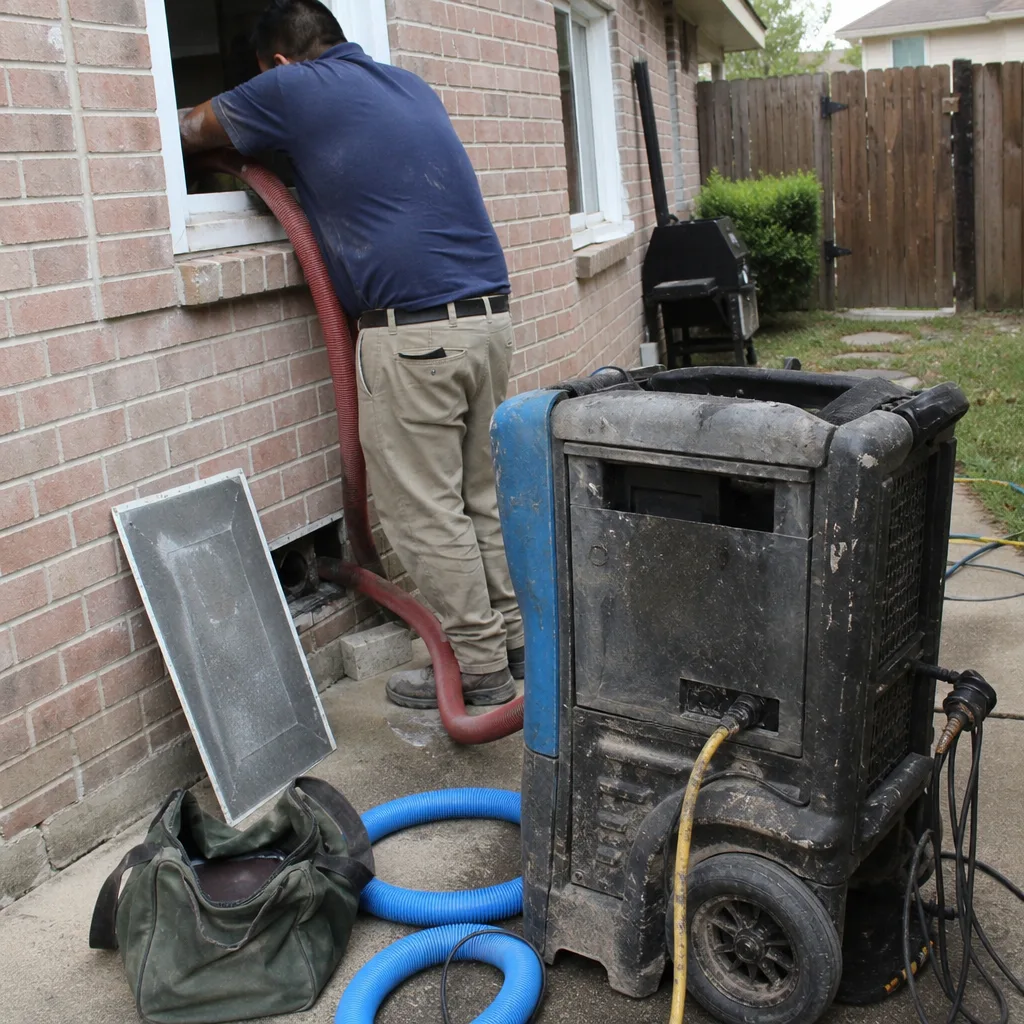 Before
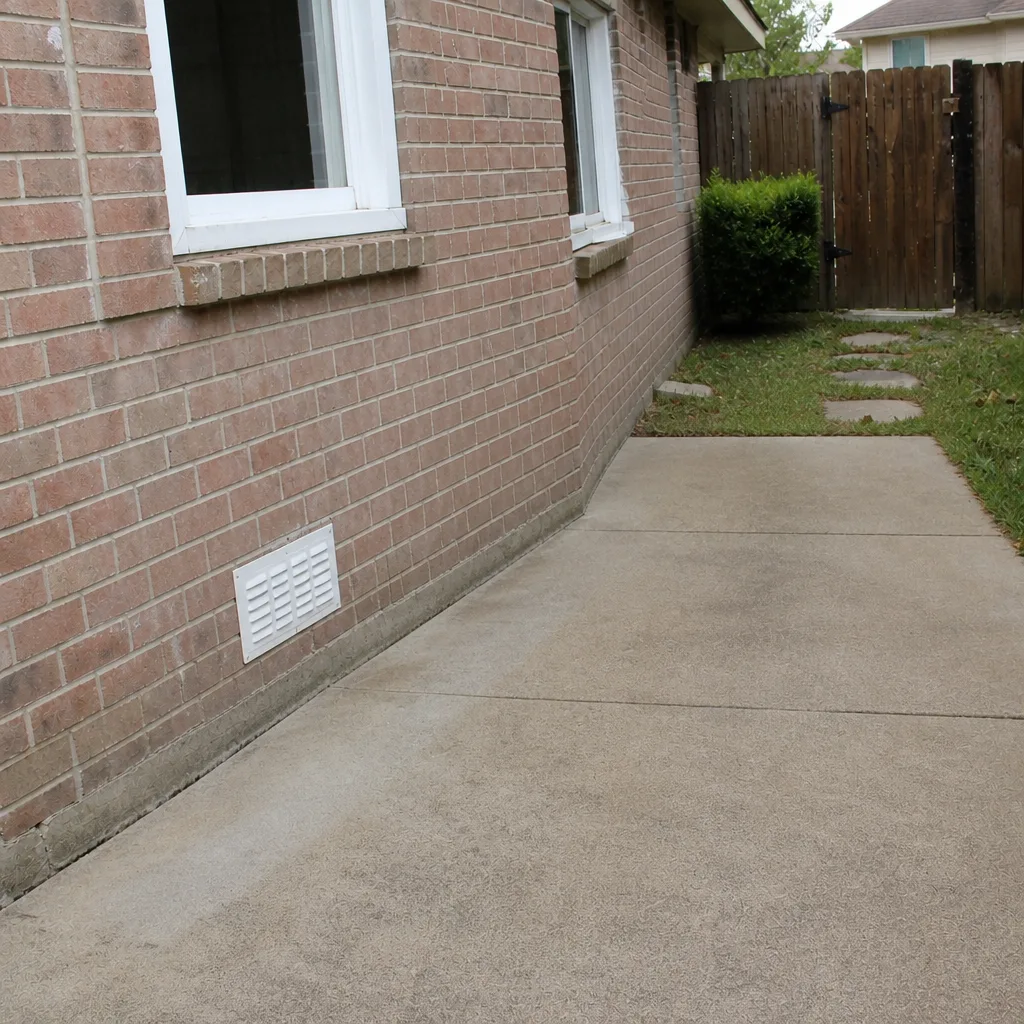 After
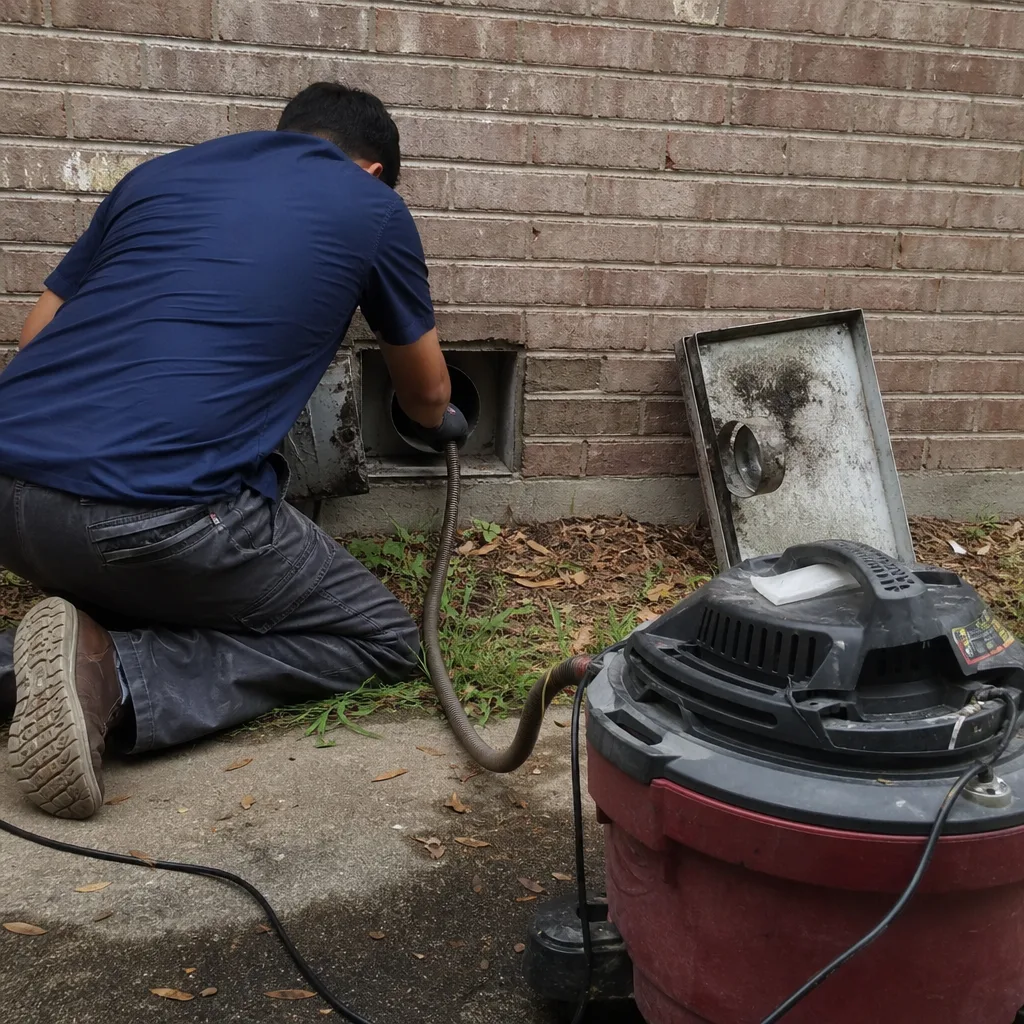 Before
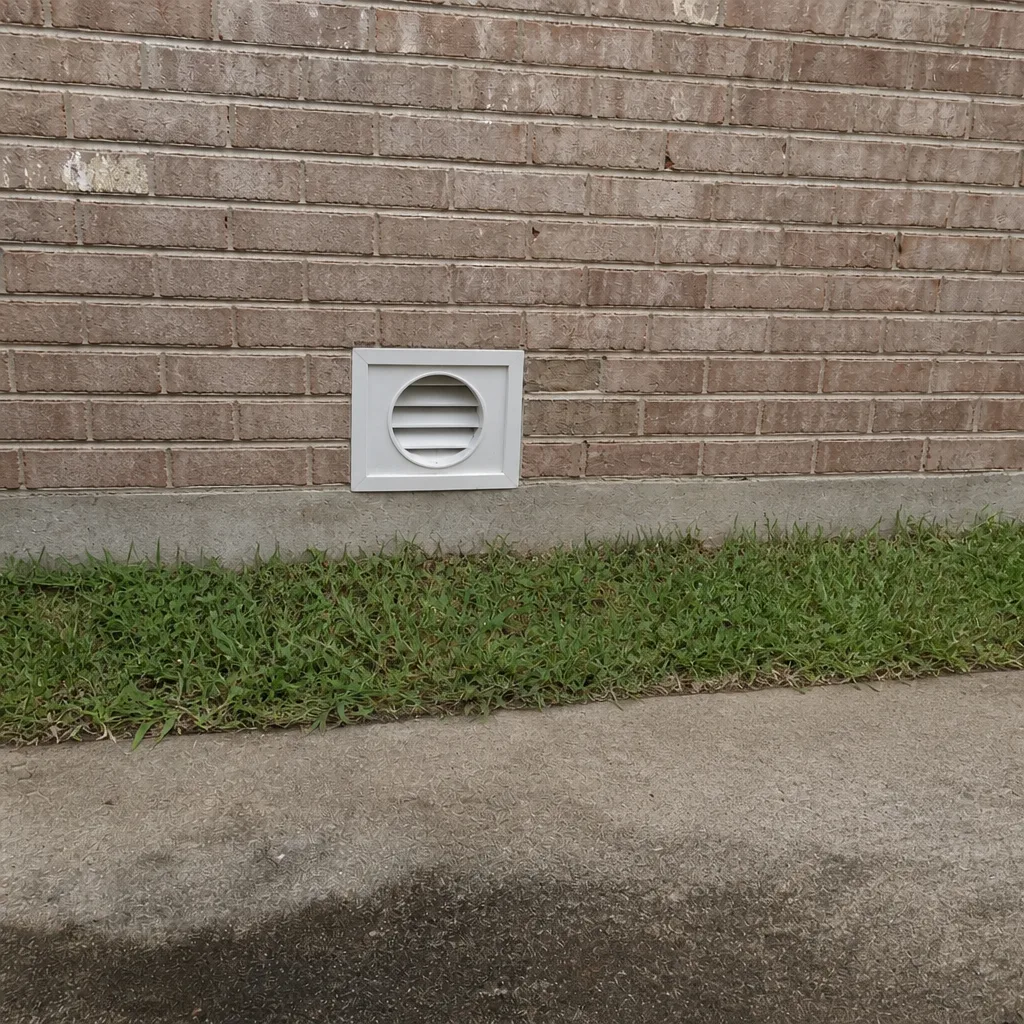 After
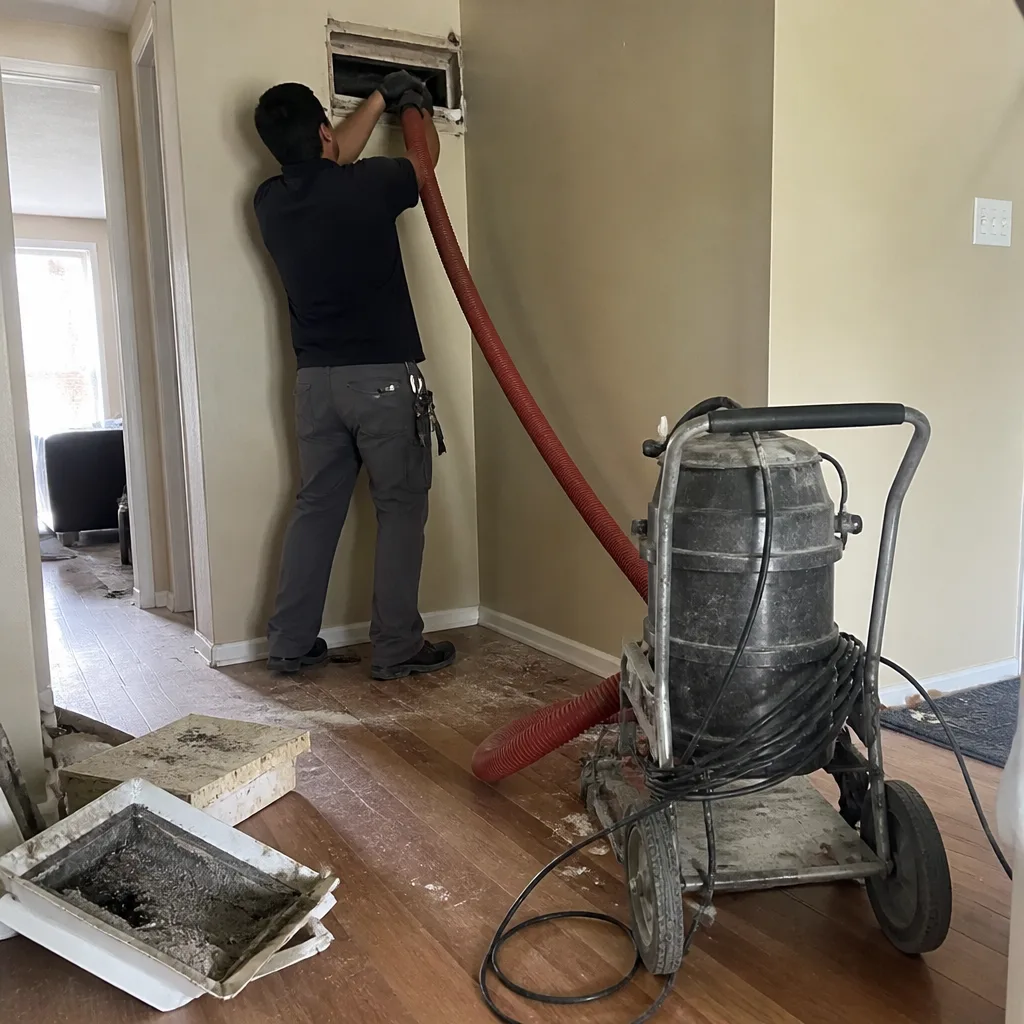 Before
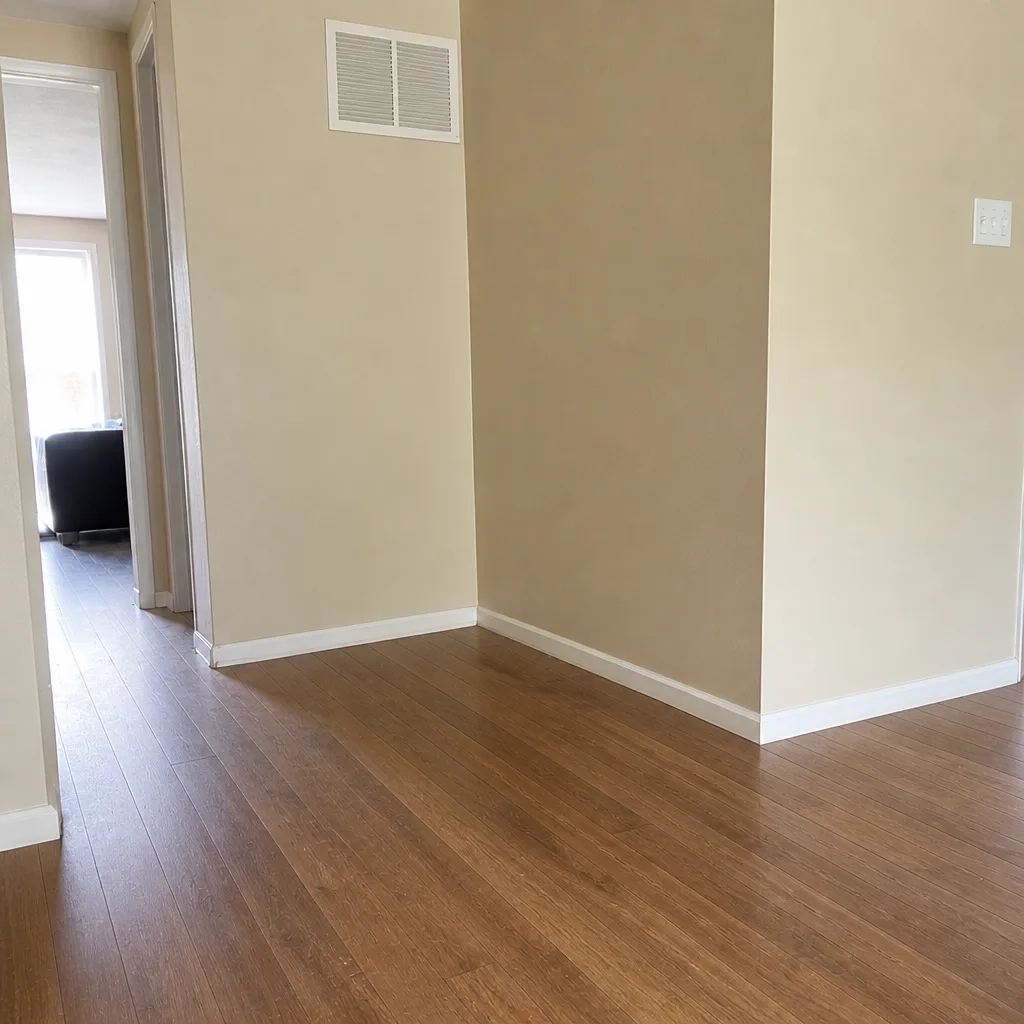 After
When to Call a Professional
Some signals tell you it’s time to stop inspecting and start scheduling. Call a professional if any of the following applies. Visible mold or dark microbial patches inside a duct or on the air handler cabinet. Persistent musty odors at multiple registers or at the return. Any airflow problem that your filter changes and register checks can’t solve. A temperature differential that’s dropped noticeably from last season’s reading. Evidence of rodent activity or debris in attic ductwork. A dryer that’s taking noticeably longer to dry clothes. A recent remodel, flood, or fire, all of which leave contaminant in the system. Or simply a household with pets, allergies, or a family member with respiratory sensitivity where the two-year cleaning interval has come due. Air Duct Cleaning Alief offers free estimates in Alief – call (877) 492-3978. Our technicians have up to 15 years of experience, and the estimate is written before any work begins.
Frequently Asked Questions
Most Alief homes should schedule professional duct cleaning every two to four years, with the shorter end of the range for homes with pets, allergies, recent renovations, or attic ductwork. The extended cooling season here means ducts accumulate contamination at roughly twice the rate of a northern-climate home, so treat national guidance as the absolute floor and lean shorter. If it’s been two years or more, call (877) 492-3978 for a free estimate.
Every 30 to 90 days for most homes, adjusting downward for pets, allergies, smoker households, or recent remodels. Manufacturer calendar guidance assumes average cooling loads; with eight or nine months of air conditioning here, the blower accumulates runtime faster than the label anticipates. Check the filter monthly during peak summer and follow the filter interval calibration section above rather than a generic rule.
Low quotes usually come from companies that skip containment equipment, skip HEPA vacuuming, or skip the coil and blower cleaning – the three steps that make up the bulk of the real work. Some also quote a teaser price and add line items on-site once the technician is in your home. Ask what equipment will be used, whether before-and-after photos are provided, and whether the price is flat per job. We give one flat price per system, agreed before work starts. Call (877) 492-3978 for an honest estimate.
Before-and-after photos of the duct interior at each access point are the clearest proof. A professional visit should also include a walkthrough of the work while the containment is still up, plus a written summary of any leaks, disconnected joints, or duct damage found along the way. If a company can’t show you what came out and what the ducts look like now, treat that as a warning sign. Call (877) 492-3978 to book a visit with photo documentation.
You can inspect the inside of supply registers, check the return grille for filter bypass, feel for condensation, listen for whistling at airflow points, and log your temperature differential with a digital thermometer each month during summer. A yearly attic walk-through looking for sagging flex duct, disconnected joints, and torn insulation catches most developing problems early. Anything that looks like moisture, mold, or rodent activity should go straight to a professional.
Both. The two systems are separate, and a dryer vent is a fire-safety item, not just a performance one. Lint accumulates in the dryer duct year-round and can restrict airflow and create a fire hazard. Many duct-only cleaners don’t handle dryer vents at all. We include dryer vent cleaning in our service scope so both get addressed in one visit. Call (877) 492-3978 to schedule both.
The Bottom Line
Duct maintenance in Alief isn’t a generic four-seasons checklist. It’s a timeline that accounts for eight or nine months of cooling runtime, attic ductwork under summer heat stress, and the particular load of pets, remodels, and pollen season. Shorten your filter intervals from the manufacturer’s label, log your temperature differential each season, walk the attic once a year, and inspect registers between professional visits. When the checklist tells you a professional visit is due, hire on equipment and process, not price. Our team at Air Duct Cleaning Alief is ready to help with a free estimate, professional-grade tools, and photo proof of the work. Call (877) 492-3978. We answer 24/7. Fast dispatch from 7am to 7pm, Sunday through Friday.
Written by the team at Air Duct Cleaning Alief.