
Last updated November 25, 2026
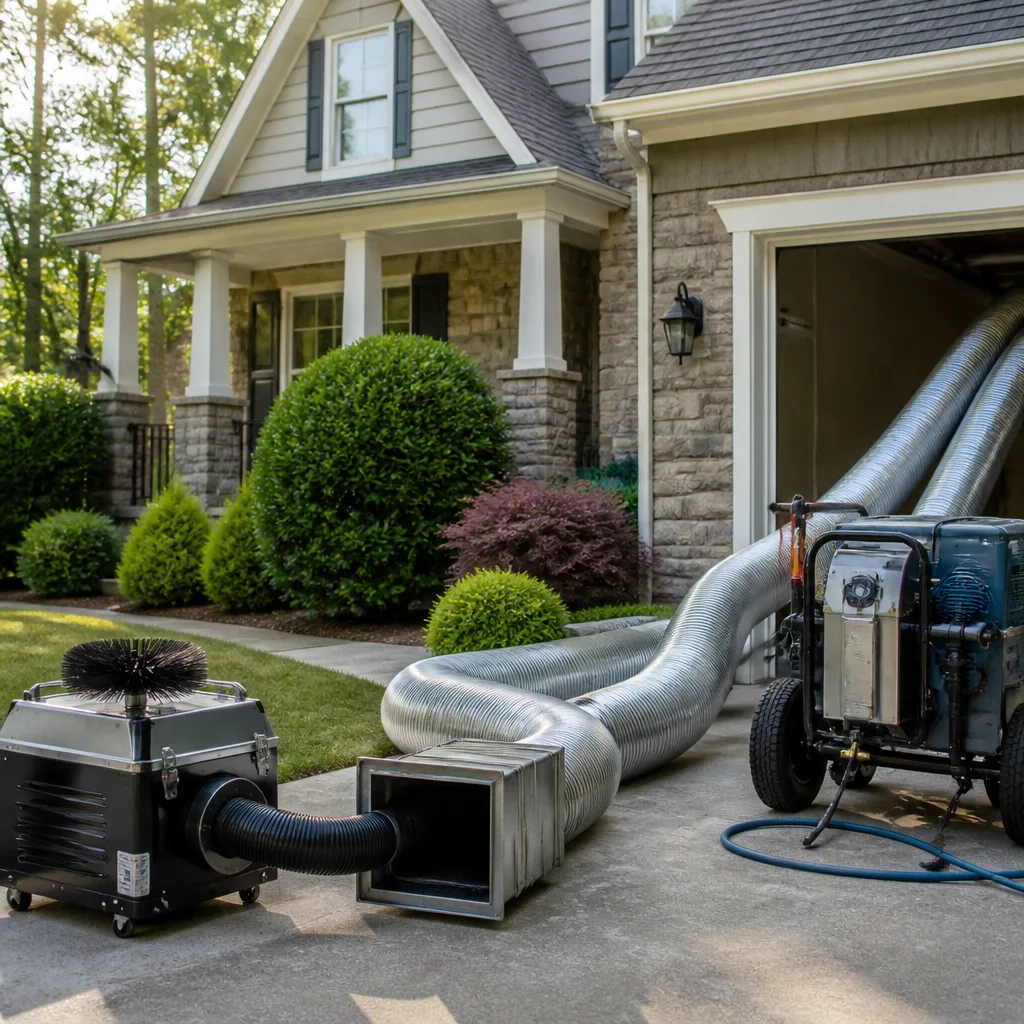 Whole-home duct cleaning
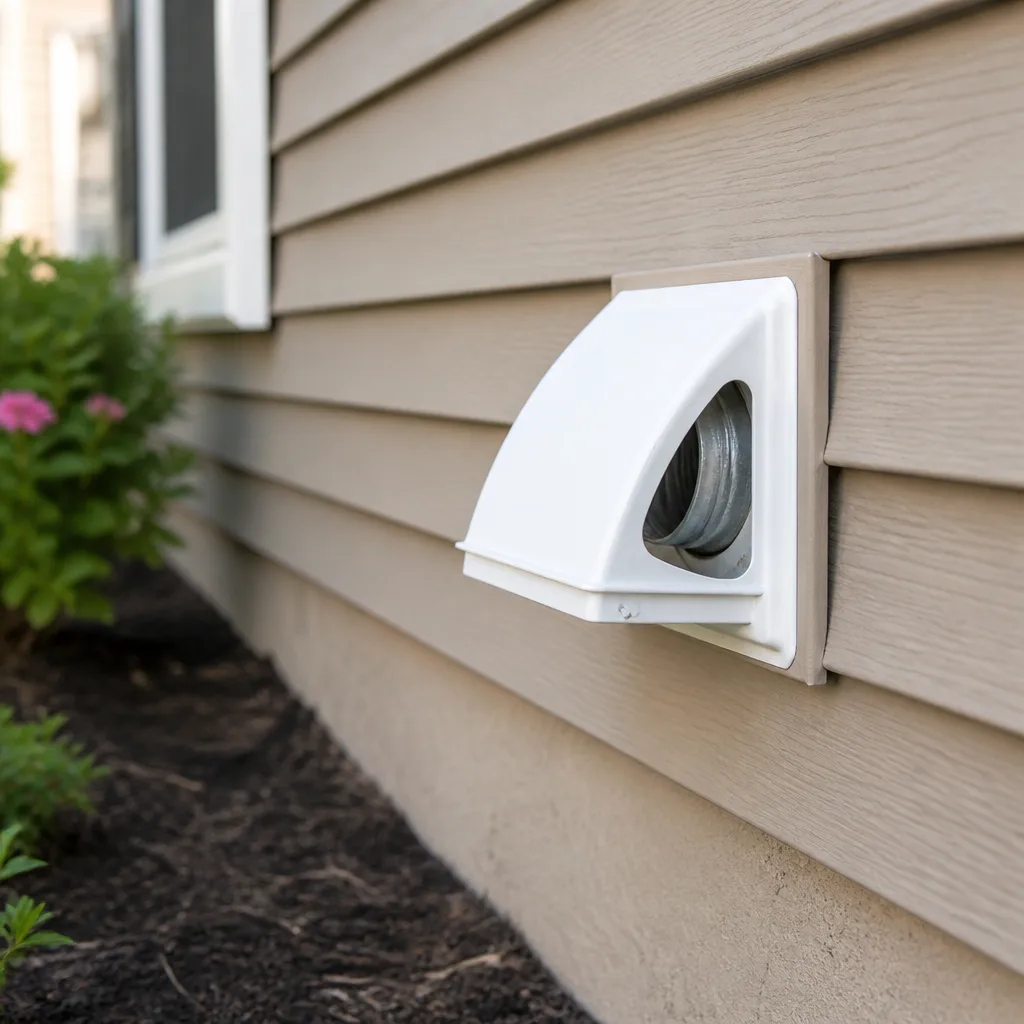 Dryer vent cleaning
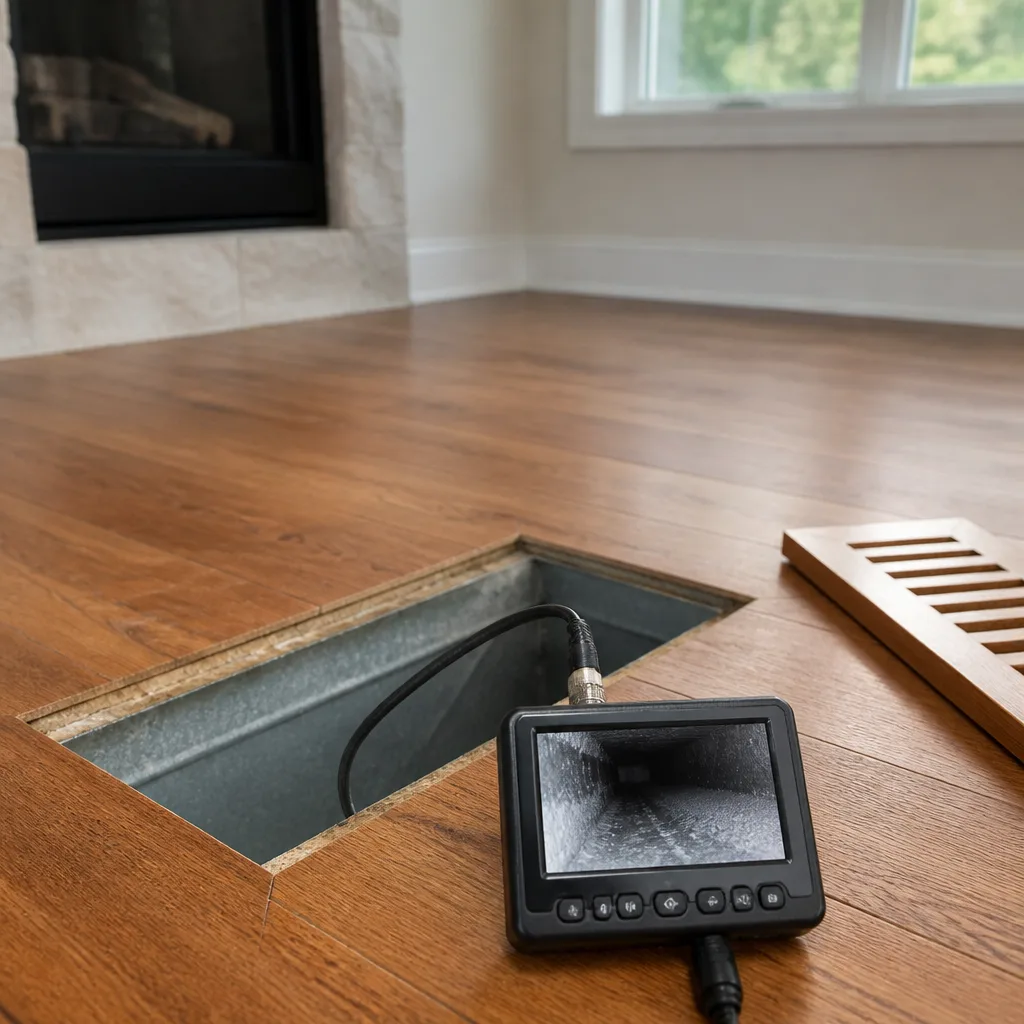 Camera inspection
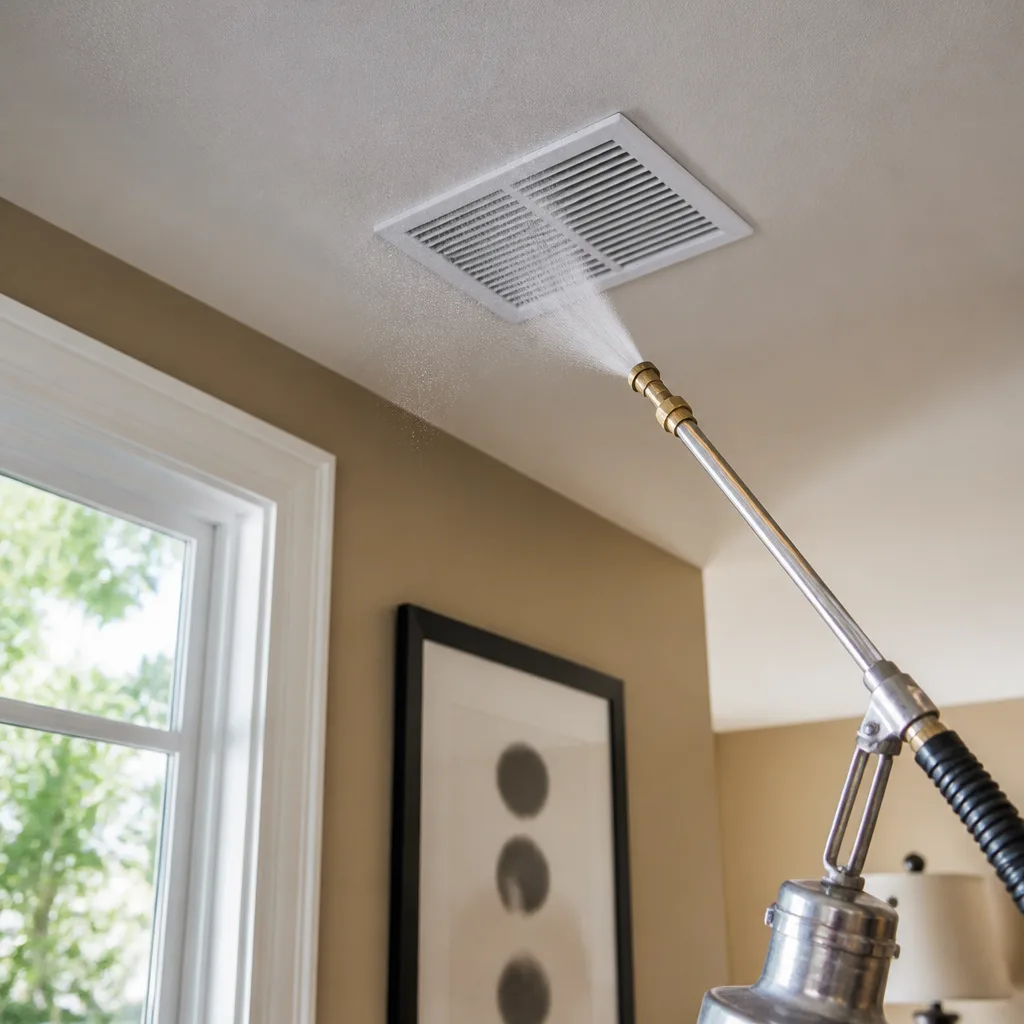 Sanitizing & deodorizing
Whole-system duct and dryer vent check with before-and-after photos - you see exactly what came out of your vents
That "$99 whole-house special" is a bait ad - the real number appears once they are in your hallway, or the "clean" is a shop-vac at the register. We photograph the inside of your ducts before and after instead.
Air Duct Cleaning Permits, Codes & Inspections in Alief, TX: What You Need to Know
Most duct cleaning in Alief needs no permit at all. That surprises people who assume any contractor touching the HVAC system is pulling paperwork behind the scenes. But there’s a line, and it’s easy to cross without noticing: the moment a duct is cut open, a new access panel goes in, a damaged run gets replaced, or a joint is sealed with materials beyond ordinary cleaning, you’ve moved from maintenance into mechanical work. That’s where Texas rules and the local code authority start to matter. This guide draws that line precisely, shows you which authority governs your address in Alief, and explains the documents to keep so a repair doesn’t become a problem at insurance or resale time.
Quick Answer
Air duct cleaning by itself generally does not require a permit in Alief, Texas, because the work is maintenance of an existing system rather than alteration of it. Once work crosses into duct repair, modification, cutting new access openings, or replacing sections of ductwork, it becomes mechanical work that can require a permit from the authority having jurisdiction over your address, and it should be done by a licensed mechanical contractor. Always confirm which code office governs your property and ask whether a permit is required before any duct repair begins.
Styles & brands we work with
- Whole-home duct cleaning
- Dryer vent cleaning
- Camera inspection
- Sanitizing & deodorizing
Table of Contents
- Where cleaning ends and permitted mechanical work begins
- Harris County and City of Houston: which code authority applies in Alief
- What NADCA Standard 1992-2021 says versus what local code requires
- How to verify a contractor’s authorization for repair versus cleaning-only work
- What a duct and HVAC inspection actually covers
- Documents to keep after any duct repair in Alief
- The full process: agitate, capture, contain, sanitize, seal
- When to call a professional
Where Cleaning Ends and Permitted Mechanical Work Begins
The cleanest way to understand the permit question is to separate maintenance from alteration. Cleaning is maintenance. Repair and modification are alteration, and alteration is what building codes regulate.
Cleaning a duct system means removing accumulated dust, debris, and buildup from the interior surfaces of ducts, registers, grilles, and the air-handling components it touches. Nothing about the physical system changes. No surfaces are cut, no sections are joined, no structural element of the ductwork is created or destroyed. That is the key distinction code enforcers care about.
The moment any of the following happens, you’ve entered mechanical work:
- New access panels are cut into ductwork that didn’t previously have them, especially on rigid sheet metal runs.
- A section of duct is removed and replaced because it’s crushed, disconnected, rusted through, or contaminated beyond cleaning.
- Joints and seams are re-sealed with mastic or tape as a repair to leaks, not as ordinary cleaning follow-up.
- Ductwork is rerouted, extended, or resized to improve airflow to a room.
- Flex duct is added or swapped in for a damaged hard-duct run.
- Register boots are replaced or repositioned in the floor or ceiling structure.
Any of these acts change the mechanical system. In Alief, as in most of Texas, work that alters a mechanical system falls under the mechanical code adopted by the local authority, and the person performing it may need a permit and a licensed mechanical contractor. Cleaning-only work usually doesn’t.
The grey area is sealing. A technician can seal minor surface seams as part of the cleaning visit without crossing into permit territory. But if a technician is opening up ducts and rebuilding connections to stop a leak, the intent and the scope have shifted into repair. Ask directly, before work begins, which category you’re paying for. That one question prevents most of the messes we see in Alief homes where a cleaning bill quietly turned into an unpermitted repair invoice. If the answer isn’t clear, don’t proceed until it is.
Harris County and City of Houston: Which Code Authority Applies in Alief
Alief is one of those places where jurisdiction matters, and it catches people off guard. The community sits in the western part of Harris County, and depending on the specific address, it falls under different permitting and code-enforcement arrangements.
Parts of Alief lie within the City of Houston’s extraterritorial jurisdiction and other areas are unincorporated Harris County, which means the authority having jurisdiction over your address isn’t identical to your neighbor’s down the street. Before any duct repair that might need a permit, verify which office is responsible for your parcel.
- Start with the property’s legal location. Look at your tax statement or title documents. They’ll usually indicate whether the property is inside Houston city limits, in the extraterritorial jurisdiction, or in unincorporated Harris County.
- Call the City of Houston permits office if your property is within the city or its extraterritorial jurisdiction. They can confirm whether a mechanical permit is required for the specific scope you’re considering.
- Call Harris County’s permitting and code enforcement office if your property is in unincorporated Harris County. The requirements differ from the city’s, even though both draw on Texas mechanical code as the baseline.
- Confirm the contractor’s licensing. A licensed mechanical contractor is authorized to pull permits for their scope of work wherever they operate. Ask for the license and confirm it’s current before work starts.
This matters most in Alief because the community’s housing stock is varied. There are older single-family homes, townhomes, and denser multi-unit developments. In multi-unit buildings, the property manager and sometimes the homeowners’ association also have a say in what happens to shared mechanical systems. If you’re a homeowner dealing with a scheduled duct repair, and the unit shares ductwork or equipment with neighbors, check with the association before authorizing the work. It’s a five-minute call that can save a real headache later.
One more note specific to Texas: mechanical code adoption varies by jurisdiction. Both Houston and Harris County adopt versions of the International Mechanical Code with local amendments, and the specific version in force can change. That means a contractor claiming “the code doesn’t require a permit for this” needs to be speaking about your address, not a general rule. Ask them to show you where the code says what they’re claiming. If they can’t, that’s information about the contractor you should have before the work begins.
What NADCA Standard 1992-2021 Says Versus What Local Code Requires
Here’s a point that trips up homeowners: NADCA and local code answer different questions. The National Air Duct Cleaners Association publishes Standard 1992-2021, the assessment, cleaning, and restoration standard for HVAC systems. It’s an industry consensus standard, not a building code, but Alief homeowners benefit from knowing what it specifies because it’s what a serious contractor should be following regardless of permits.
Where the two diverge is instructive:
- NADCA addresses what “clean” means and how to verify it. It specifies assessment before cleaning, engineered methods for agitating and capturing debris, containment, and post-cleaning verification. Local code says nothing about cleaning methodology. It only regulates alteration.
- NADCA requires inspection before and after cleaning. A proper assessment identifies contamination, damage, and access needs. Local code has no inspection standard for cleaning. That’s a professional obligation, not a legal one.
- NADCA covers restoration. It treats “restoration” (repair of damaged or contaminated components) as part of a duct professional’s scope. Local mechanical code treats repair as licensed-contractor scope that may require permits. In practice, cleaning and repair together means the contractor needs both NADCA-standard practice and, if the repair portion is substantial, a mechanical license.
- NADCA advises when to recommend further work. If a duct is crushed or contaminated beyond cleaning, the standard directs the contractor to flag it for repair. Local code determines who is legally allowed to do that repair.
- NADCA specifies equipment categories. Rotary brushes, HEPA-rated vacuums, and containment systems. Local code specifies none of this, which is why choosing a contractor who follows NADCA is worth factoring into the decision.
For Alief homeowners, here’s the practical read: NADCA standard is what you should expect from the cleaning. Local code is what you should expect from the repair. When you hire for cleaning, ask about NADCA-standard practice. When the cleaning uncovers a repair need, ask about the mechanical license and permit threshold.
The good news is that the two work together. Our team follows NADCA-aligned practice on every job. When we identify a repair need that crosses into permitted mechanical work, we tell you before we begin and help you understand the right next step. You deserve to know which category the work falls into before you authorize it. That’s the difference between a professional assessment and a handyman with a vacuum.
How to Verify a Contractor’s Authorization for Repair Versus Cleaning-Only Work
When a contractor says “we can repair that too,” you should be able to confirm they’re authorized to do so. Cleaning and repair require different credentials in Texas, and Alief homeowners are entitled to check before signing.
Here’s a step-by-step verification you can run in about ten minutes:
- Ask for the scope in writing. What specifically will they do? Clean only? Clean and seal? Cut access panels? Replace a run? The written scope tells you whether the work is mechanical.
- Ask the licensing question directly. “Is your company licensed as a mechanical contractor for the repair portion?” If the answer is “we’re a cleaning company,” that means repair should be handed off to a licensed mechanical contractor.
- Verify the license through the state database. Texas requires licensing for mechanical contractors (which includes HVAC work), and the licensing can be confirmed through the state’s licensing authority. Ask for the company name and verify it matches.
- Ask about insurance coverage. A contractor doing any physical work in your home should carry liability insurance and workers’ compensation. Ask for a certificate of insurance naming you as additional insured for larger jobs.
- Confirm the permit question, in writing. If the work involves mechanical alteration, a licensed contractor should be able to tell you whether a permit is required and who will pull it. Put their answer in writing, even if it’s just in a text message exchange.
- Get before-and-after documentation terms on the contract. A serious contractor commits to photographing the ducts they worked on, before and after. Insist on this for any cleaning or repair job.
If any of those steps produces a hesitation or an “I’ll get back to you,” that’s an answer too. The professionals we work with don’t blink at any of these questions, because they’ve already got the answers on record. When you reach out, we can walk you through what to expect and what documentation our technicians provide on every job. That’s part of our job, not a favor.
For Alief properties in shared buildings, ask whether the contractor has experience with multi-unit systems and whether they’ll work with the property manager or HOA. That’s another signal that they’ve done this before.
What a Duct and HVAC Inspection Actually Covers
“My ducts were cleaned” and “my ducts were inspected” mean different things, and the confusion costs Alief homeowners money. Cleaning removes what’s inside. Inspection determines whether the system is sound enough to clean properly and whether anything needs repair.
A thorough inspection covers more than a look down the register. Here’s what a proper assessment should produce:
- Access inventory. Where are the existing access panels, and are there enough for a proper clean? If not, is the contractor planning to cut new ones? That’s a mechanical act and worth noting.
- Visual condition of duct interiors. Where possible, cameras and inspection tools confirm whether duct interiors are intact, contaminated, crushed, disconnected, or lined with deteriorated materials.
- Seam and joint integrity. Leaks at seams and connections are common in older Alief homes. The inspector should note them.
- Contamination assessment. Visible mold, pest waste, heavy particulate buildup, and renovation dust each require a different response. The inspection should say what’s there and recommend the appropriate method.
- HVAC equipment inspection. The air handler, evaporator coil, and blower are part of the system. A complete inspection includes them.
- Return-air integrity. A leaky return can pull air from attics or wall cavities, contaminating clean air. This is common in older homes.
- Dryer vent assessment. A separate but related system, and a common fire-risk oversight when only the duct network is considered.
In Alief’s climate, humidity is a factor in duct condition year-round. Long, hot summers and mild winters mean the air conditioning system runs hard, and ductwork that sees constant cool, damp air is more prone to condensate-driven deterioration at seams and boots. That doesn’t automatically mean replacement, but it does mean anyone inspecting ducts in Alief should be paying attention to moisture and condensation, not just dust accumulation.
The inspection is also where the contractor establishes whether a repair is needed. That’s when the permit question becomes real. A qualified inspector should tell you which work is cleaning-only and which may require a licensed mechanical contractor and a permit. If they can’t or won’t distinguish, that’s a red flag. Our technicians have up to 15 years of experience with exactly this assessment step, and their recommendations always come with the reasoning behind them. Documentation matters, and we provide before-and-after photos of the ducts we worked on so you can confirm what was done.
Documents to Keep After Any Duct Repair in Alief
If you have any duct repair or modification done, treat the documentation like you would treat a roof replacement. You might never need it, but when you do, you’ll want it all in one folder. Here’s what to retain:
- The written scope of work. What exactly was repaired, replaced, or modified. This should match what the contractor told you before the job.
- A copy of the permit and the final inspection sign-off if a permit was pulled. This is a document of record, and mortgage lenders, insurers, and resale inspectors can ask for it.
- The contractor’s name, license number, and insurance certificate. File the invoice with these attached.
- Before-and-after photos of the ducts and repair area. Confirm what was actually done versus what was billed.
- Any materials information. If seals, mastics, or replacement duct materials were used, the product information is evidence the repair matches what local code requires.
- The invoice and payment record. These establish when and by whom the work was done.
Why does the file matter for Alief specifically? Because of resale. When you sell a home in Alief that falls inside Houston or the surrounding Harris County area, the buyer’s inspector will look at the HVAC system and ductwork. If they see a newer-looking access panel or a sealed section that isn’t accounted for, they’ll ask questions. The seller’s disclosure form asks whether any mechanical work was done and whether permits were pulled. If you can hand over the permit and sign-off, the answer is easy. If you can’t, the buyer’s inspector may flag the repair as unpermitted, and the transaction can stall.
Homeowner’s insurance adds another layer. Coverage on an HVAC component can depend on whether the work was installed to code. If unpermitted repair work caused a related loss, the insurer can scrutinize the claim or dispute coverage on that component. That’s the reason to keep the file even if the sale of your home is years away. When you call us, we can walk through what documents our technicians provide on every job, and what you should specifically ask for when a repair portion is included.
The Full Process: Agitate, Capture, Contain, Sanitize, Seal
Understanding the actual sequence of a professional duct cleaning makes the permit question easier to reason about. Every step in a proper clean happens without cutting ductwork. That’s the line: cleaning agitates, captures, contains, sanitizes, and seals; repair cuts and rebuilds.
Here’s what a proper clean looks like, and where the line falls:
- Assessment. The technician inspects and confirms what they’re cleaning and what needs attention. This is where repair needs are identified, before work starts.
- Containment. Negative-air containment equipment keeps dislodged debris from migrating into living spaces. We use Abatement Technologies containment gear on every job for exactly this reason. No debris in the air, no debris in the home.
- Agitation. Rotobrush rotary-brush systems agitate and loosen debris from duct walls. This is where the difference between a real clean and a surface swipe shows up. Consumer-grade equipment doesn’t reach into duct runs; contractor-grade rotary brush systems do.
- Capture. Nikro HEPA-rated vacuum equipment pulls dislodged debris into sealed filtration. This is the equipment step that makes the clean actually clean. Debris is captured, not redistributed.
- Sanitize. For systems with confirmed microbial or odor concerns, sanitizing follows cleaning. Guardsman-grade surface and sanitizing protocols are applied where appropriate, and only after assessment confirms they’re needed.
- Seal. Where the cleaning uncovers minor seam gaps or small leaks, sealing is applied. This is where the work is on the boundary. A minor seal is part of the clean. Cutting open and rebuilding a duct run is repair, and that’s the piece to discuss with a licensed mechanical contractor.
- Verify. Post-cleaning inspection and before-and-after photos close out the job.
Notice that the whole clean fits inside the “no permits required” side of the line except for the last step of sealing. That’s the practical threshold for Alief homeowners. If the scope stays inside steps one through five and minor step six, no permit is needed. If a step six becomes a rebuild, that’s when you need to talk about licensing and permits.
Dryer vent cleaning follows the same containment-first logic and deserves its own mention, because it’s a code-compliance and fire-safety credential most duct-only cleaners lack. Our team handles dryer vent cleaning as part of the service scope, with the same containment and equipment discipline as duct work.
For a broader view of how duct cleaning fits into the wider system, the main Air Duct Cleaning Alief page and the dedicated air duct cleaning page walk through the service end to end. If your HVAC equipment needs its own clean, that’s covered on the HVAC cleaning page. And when cleaning uncovers repair needs, the Duct Repair & Sealing service exists precisely because we close that gap. The point is this: you shouldn’t have to call three contractors to understand one system.
Common Mistakes to Avoid
- Assuming a cleaning quote covers any repair. It doesn’t. Cleaning and repair are different services with different scopes, and if you don’t separate them before work starts, you may find the bill has grown and the paperwork hasn’t. Ask for a written scope and a clear line between cleaning and any repair portion.
- Not asking which code office governs your Alief address. Houston and Harris County have different permitting processes. A contractor who says “the code doesn’t require a permit” without knowing your address is guessing. Confirm jurisdiction before any repair work is scoped.
- Hiring on price alone. The lowest quote often means consumer-grade equipment, no containment, and no before-and-after documentation. In Alief, that’s the setup for either a disappointing clean or an unpermitted repair. Equipment and process matter more than a dollar figure.
- Skipping the post-cleaning inspection. If you don’t see the before-and-after photos and a clear report of what was done, you’re trusting the invoice. A serious contractor provides documentation on every job.
- Ignoring a visible duct problem during cleaning. If the inspector sees a crushed run or a water-stained duct, that needs to be flagged, not cleaned over. Cleaning over a problem hides it, and it may turn a small repair into a bigger one.
- Not filing documentation after repair. Missing paperwork costs homeowners at insurance claims and at resale. Keep the permit, the sign-off, the invoice, and the photos together in a folder labeled for the home.
- Using an unlicensed repair handyman. In Texas, mechanical work should be done by a licensed mechanical contractor. A handyman who cuts into ductwork and doesn’t pull permits can create code compliance problems the homeowner inherits.
When to Call a Professional
Some situations call for a cleaning visit, and some call for a professional assessment that ends in a documented recommendation. Call a professional if you’re seeing visible dust at registers a day after a cleaning, noticing persistent musty odors in specific rooms, dealing with a recent renovation that has scattered debris into the ventilation, hearing a whistling or roaring sound from a duct that used to be quiet, or dealing with an older HVAC system you haven’t had assessed. Call if you’re a property manager responsible for a multi-unit Alief building and need a documentation trail. Call if the ductwork has never been inspected. And call if any contractor has told you a duct repair is needed and you haven’t yet confirmed whether that repair is a permit-required mechanical job. That last call is where a lot of Alief homeowners are right now, and it’s exactly the kind of conversation that saves trouble down the road.
Air Duct Cleaning Alief offers free estimates in Alief. Call (877) 492-3978. We answer 24/7. Fast dispatch from 7am to 7pm, Sunday through Friday.
See the difference
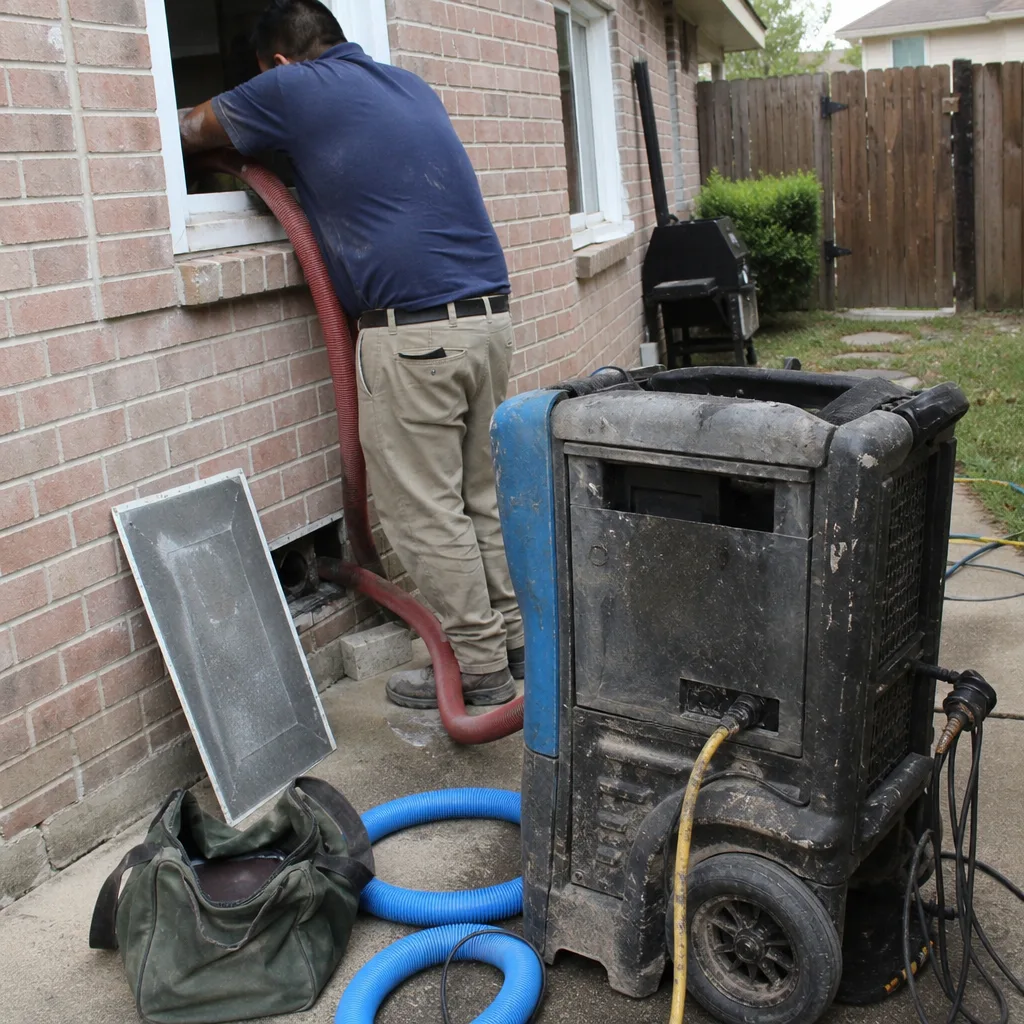 Before
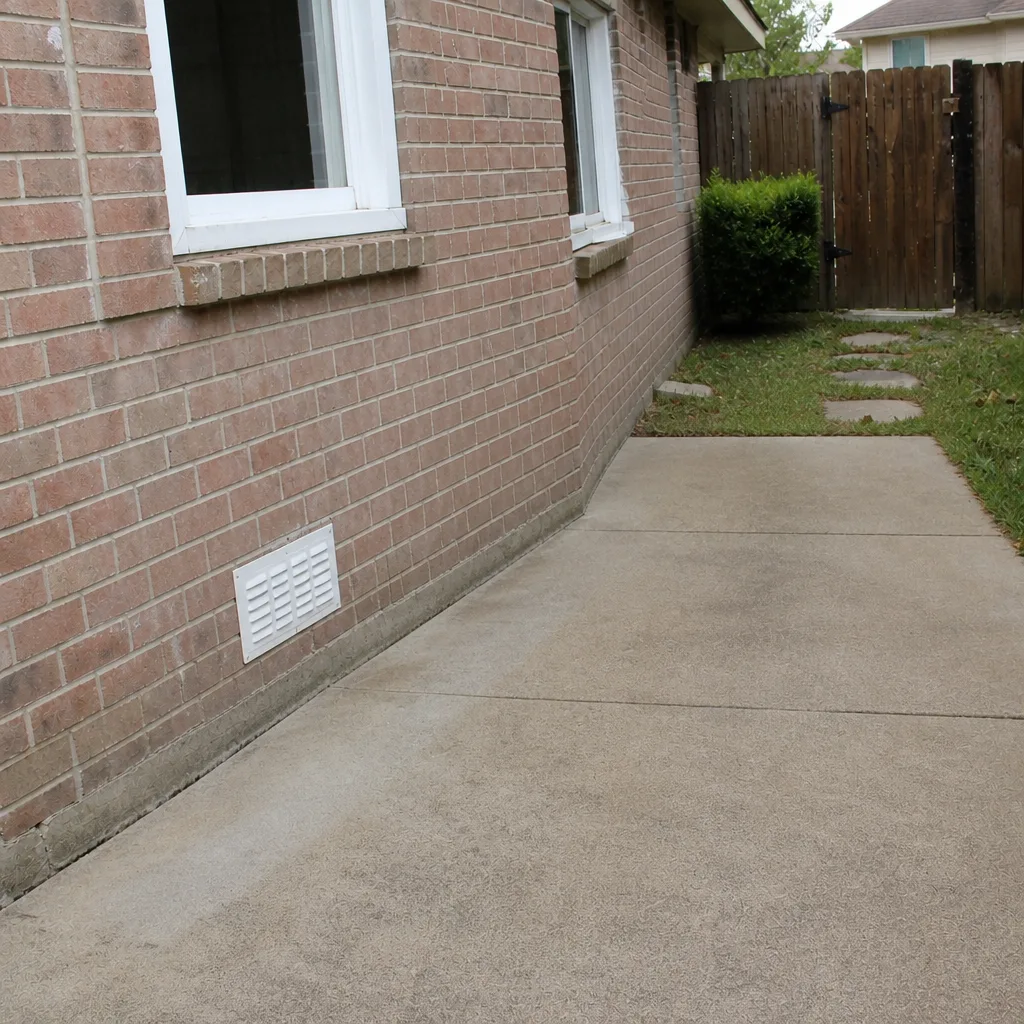 After
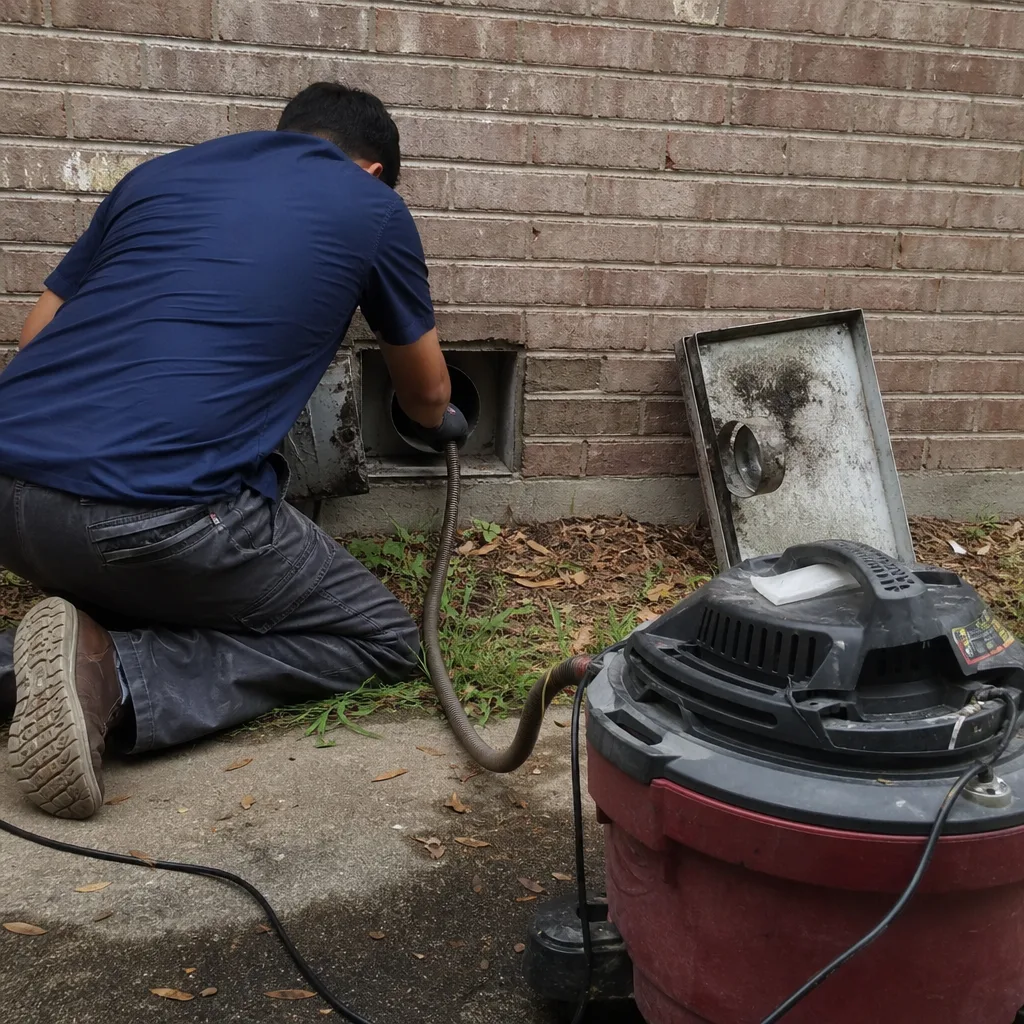 Before
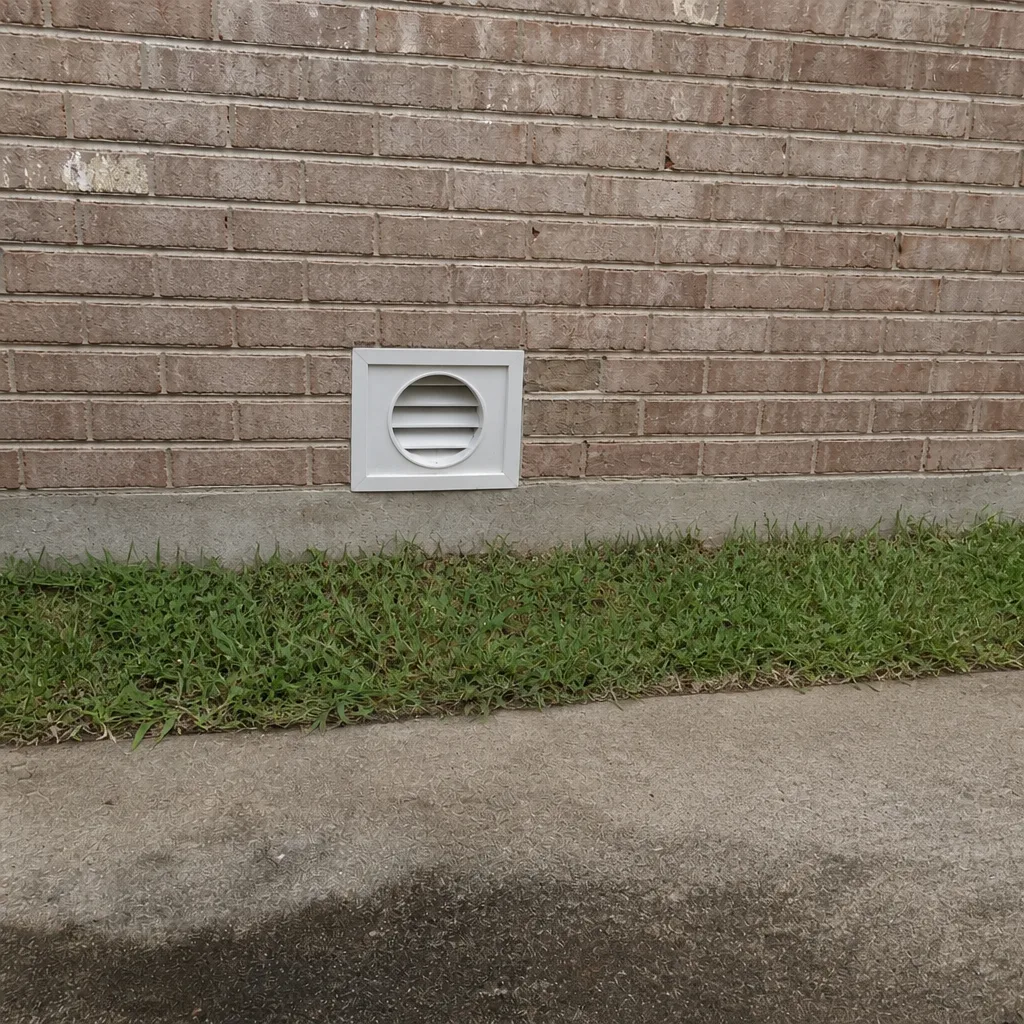 After
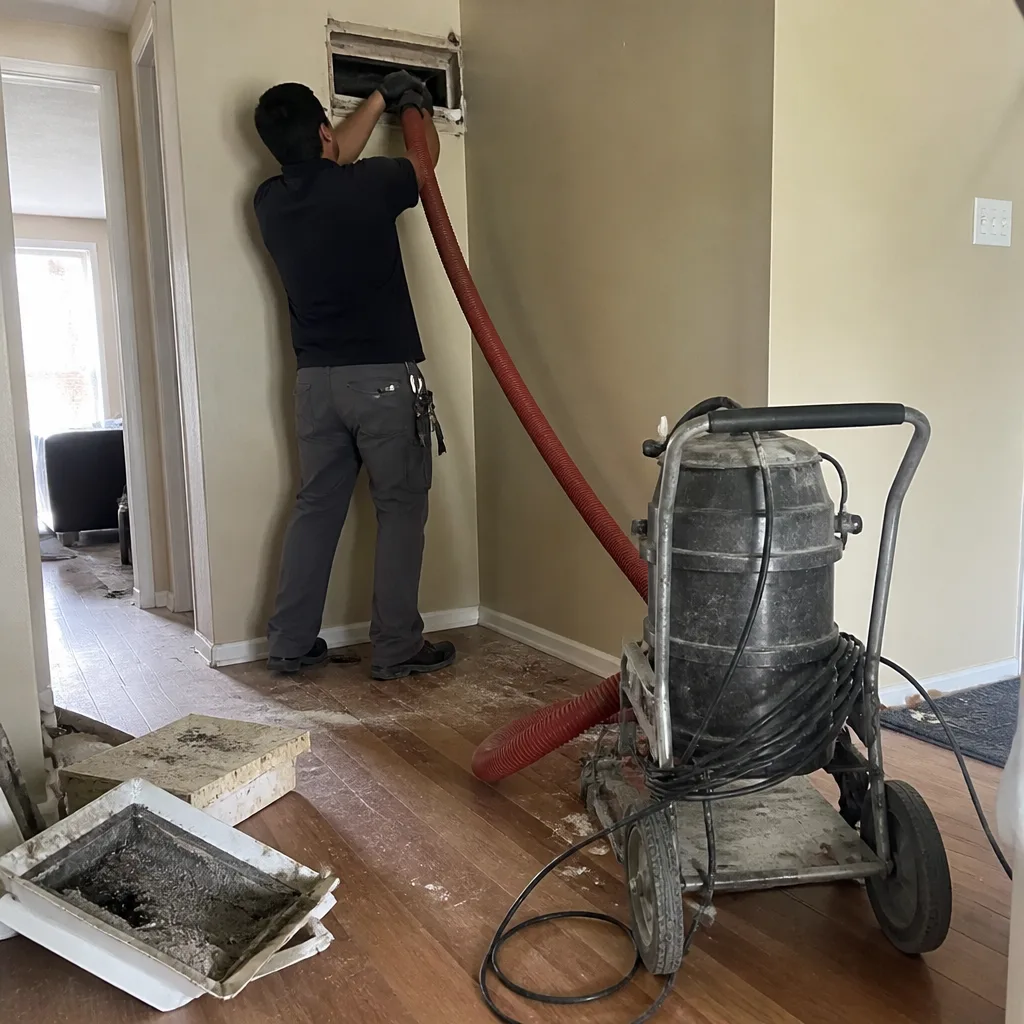 Before
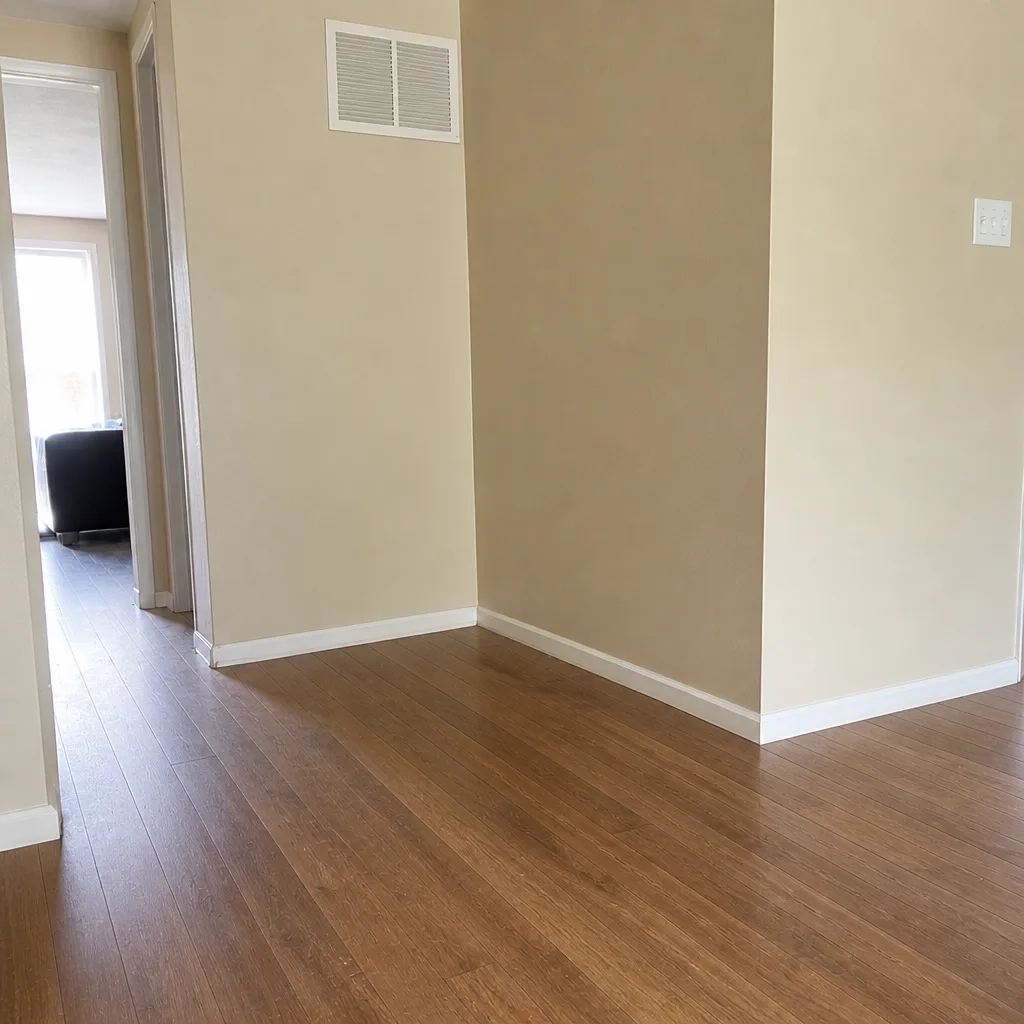 After
Frequently Asked Questions
In most cases, no. Routine cleaning of an existing duct system is maintenance and does not require a permit. If the work includes cutting new access panels, repairing or replacing duct sections, or other mechanical alteration, a permit may be required and the work should be done by a licensed mechanical contractor. Call (877) 492-3978 for an exact quote – estimates are free.
The authority having jurisdiction over your specific address decides. Depending on where in Alief your property sits, that will be either the City of Houston or Harris County, and both draw on Texas mechanical code but administer it differently. Confirming jurisdiction before work begins is the safest path. Call (877) 492-3978 if you’d like us to walk you through what to ask.
NADCA Standard 1992-2021 is an industry consensus standard for how duct cleaning should be performed, including assessment, equipment, containment, and verification. Local building code regulates mechanical alteration and permitting. The two complement each other: NADCA defines a competent clean, and the code governs whether repair work needs a licensed contractor and a permit. Call (877) 492-3978 to talk through how a specific job would be assessed.
Yes, always. Keep the scope of work, permit and inspection sign-off (if applicable), contractor license and insurance info, before-and-after photos, invoice, and any materials information. These documents matter for homeowner’s insurance claims and resale disclosures, and buyers’ inspectors may ask for them. Call (877) 492-3978 for a free estimate, and we’ll walk through the documentation you can expect on the job.
Sometimes, but not reliably. If the written scope includes cutting new access panels, removing and replacing duct sections, rerouting ductwork, or moving register boots, that’s mechanical alteration and likely crosses into permit territory. Cleaning plus minor seam sealing usually does not. Ask the contractor directly and get the answer in writing. Call (877) 492-3978 for an exact quote on cleaning or repair work.
Professional equipment looks different from consumer-grade. Expect contractor-grade rotary-brush systems like Rotobrush, HEPA-rated vacuums like Nikro, and containment equipment for managing debris during the job. Equipment and containment are the difference between a real clean and a surface swipe. Call (877) 492-3978 to schedule an assessment and confirm the process.
The Bottom Line
Air duct cleaning in Alief usually doesn’t require a permit, but duct repair and mechanical alteration can, and the difference between the two determines whether your contractor needs a mechanical license and a filed permit. Know whether your property sits inside Houston or Harris County, ask for written scope, verify the license when repair is involved, and keep documentation for insurance and resale. The clean itself comes down to equipment and process: agitate, capture, contain, sanitize, seal, with before-and-after photos to prove it. When you’re ready to schedule, call (877) 492-3978 for a free estimate. We answer 24/7. Fast dispatch from 7am to 7pm, Sunday through Friday.
Written by the team at Air Duct Cleaning Alief.