
Last updated November 25, 2026
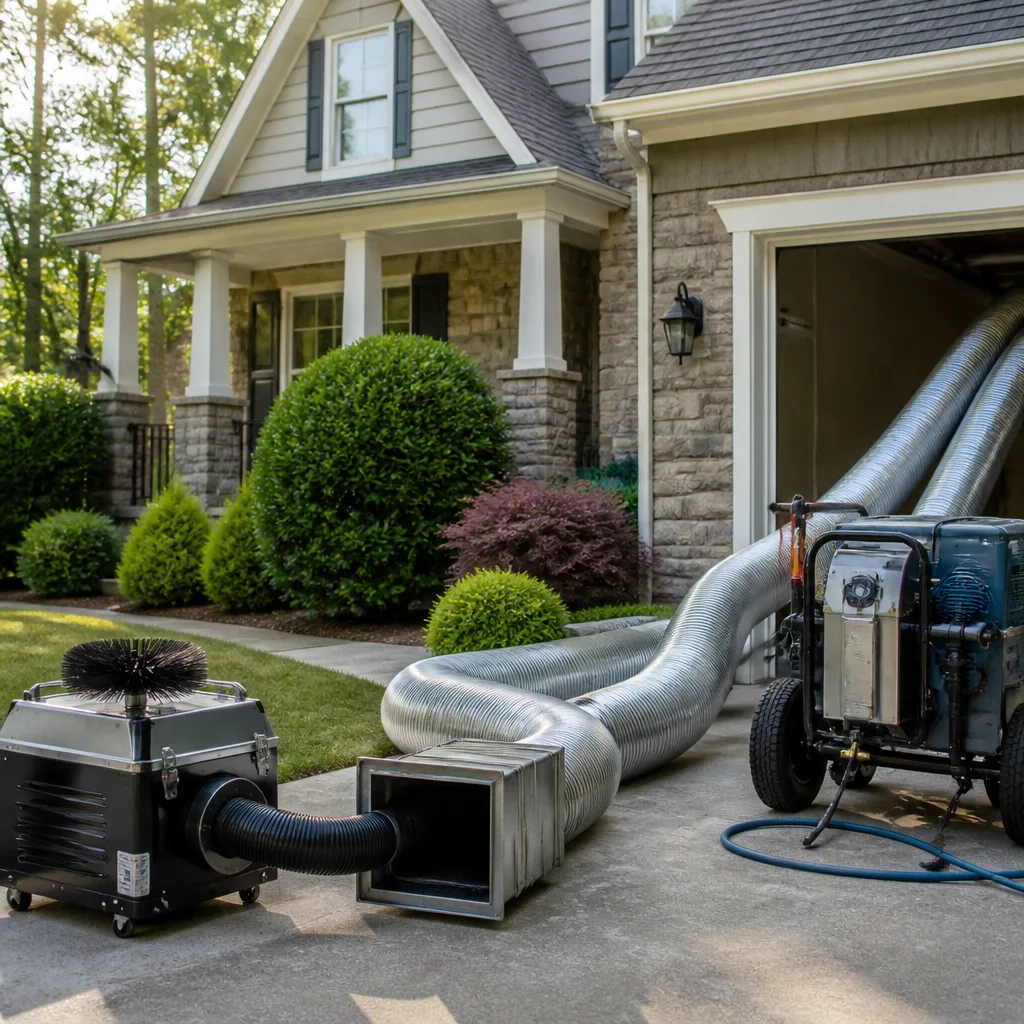 Whole-home duct cleaning
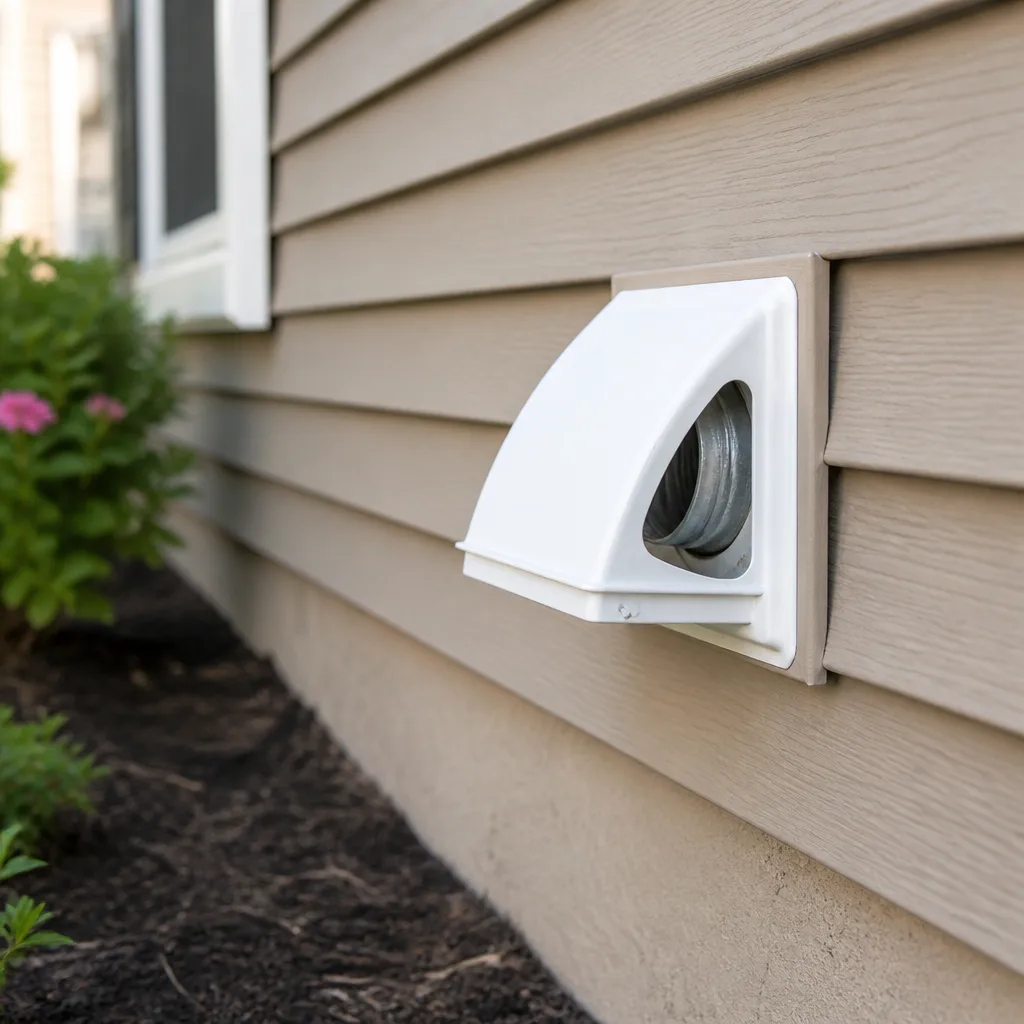 Dryer vent cleaning
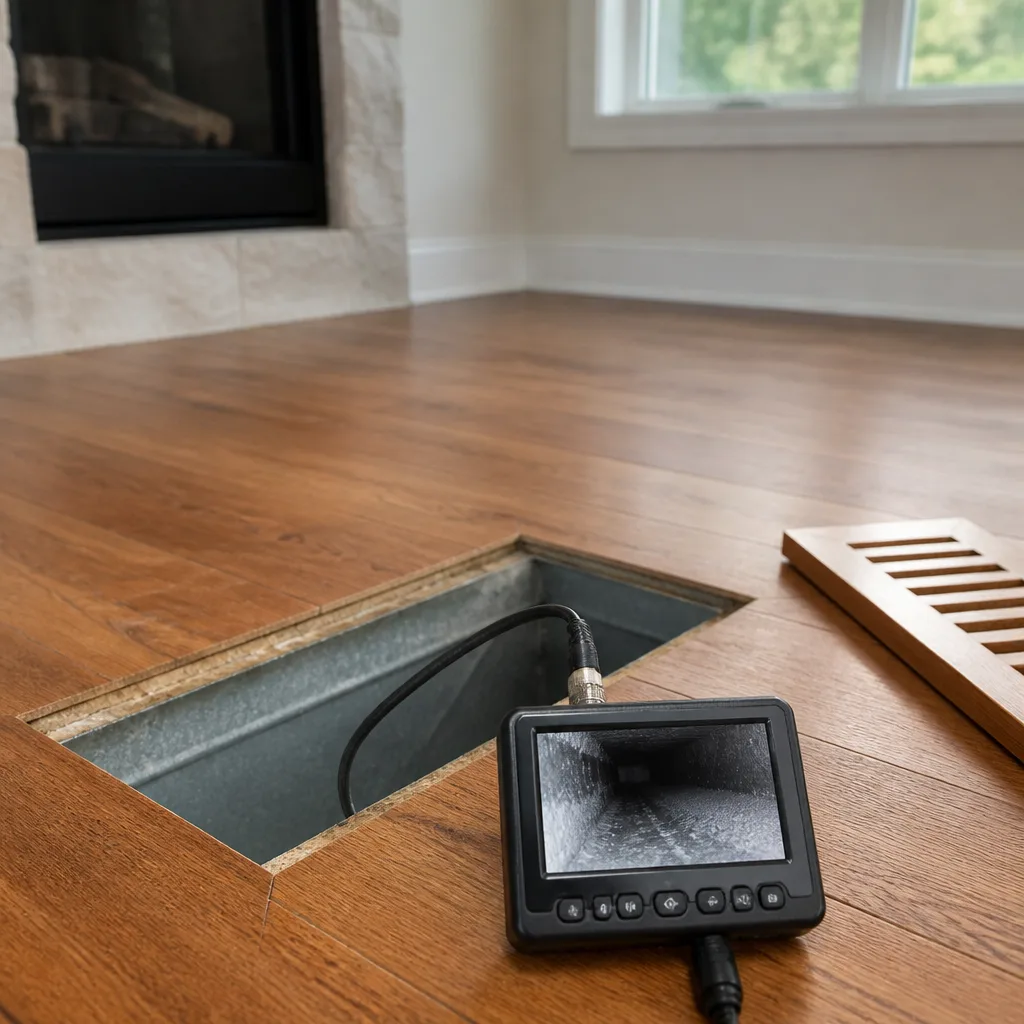 Camera inspection
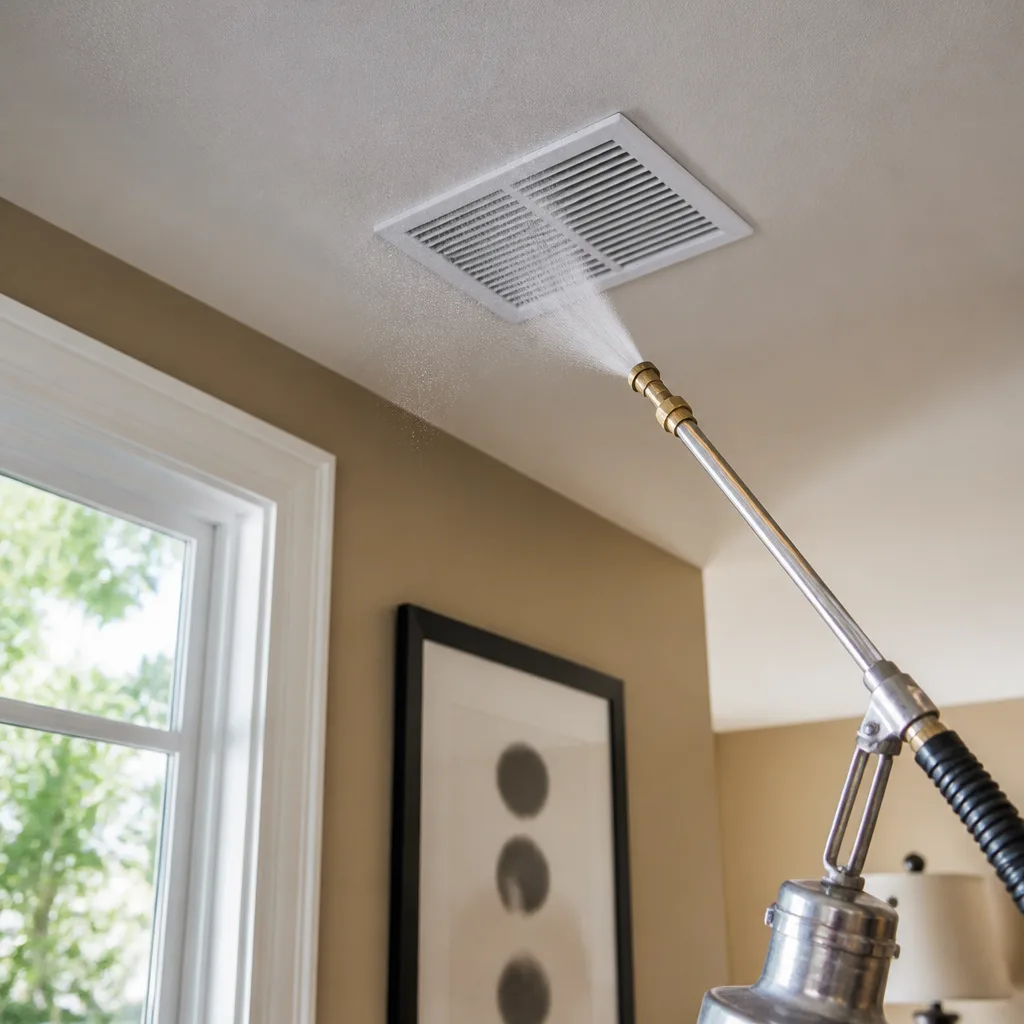 Sanitizing & deodorizing
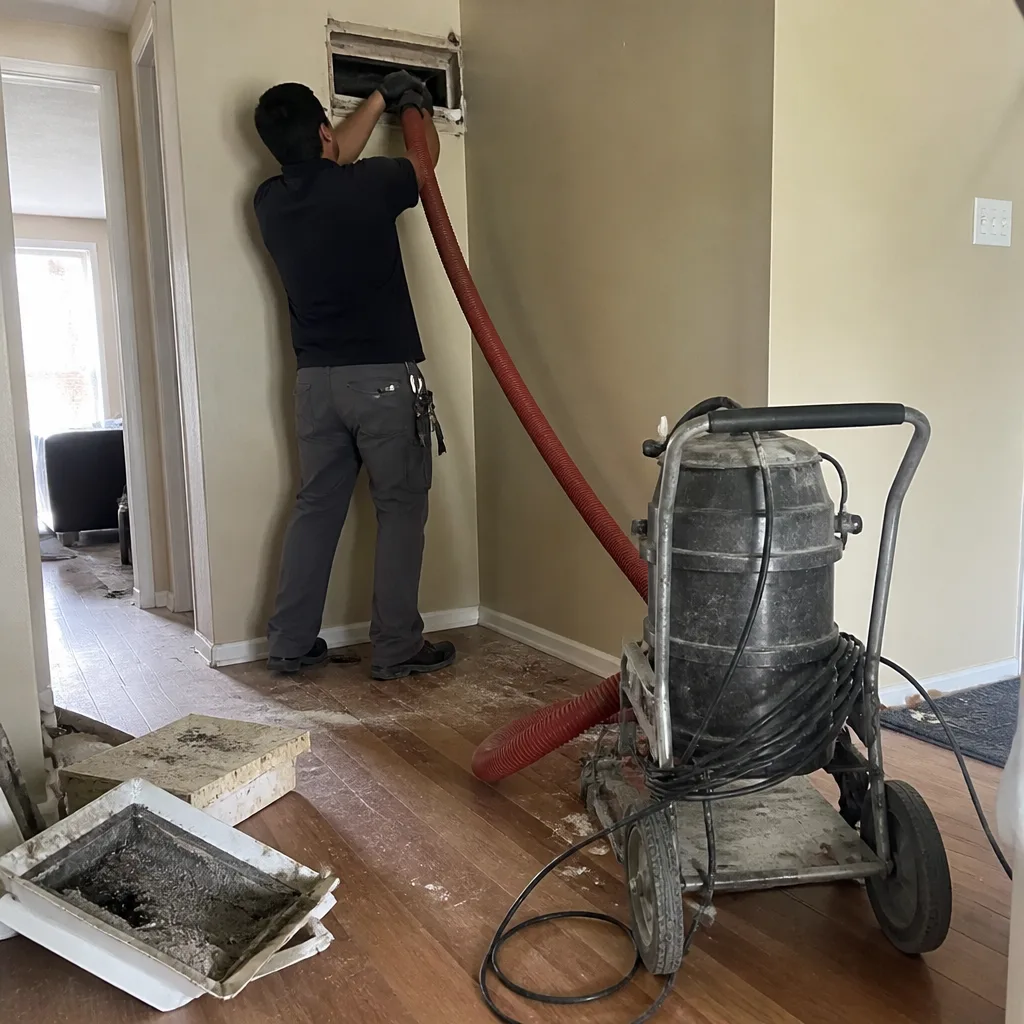
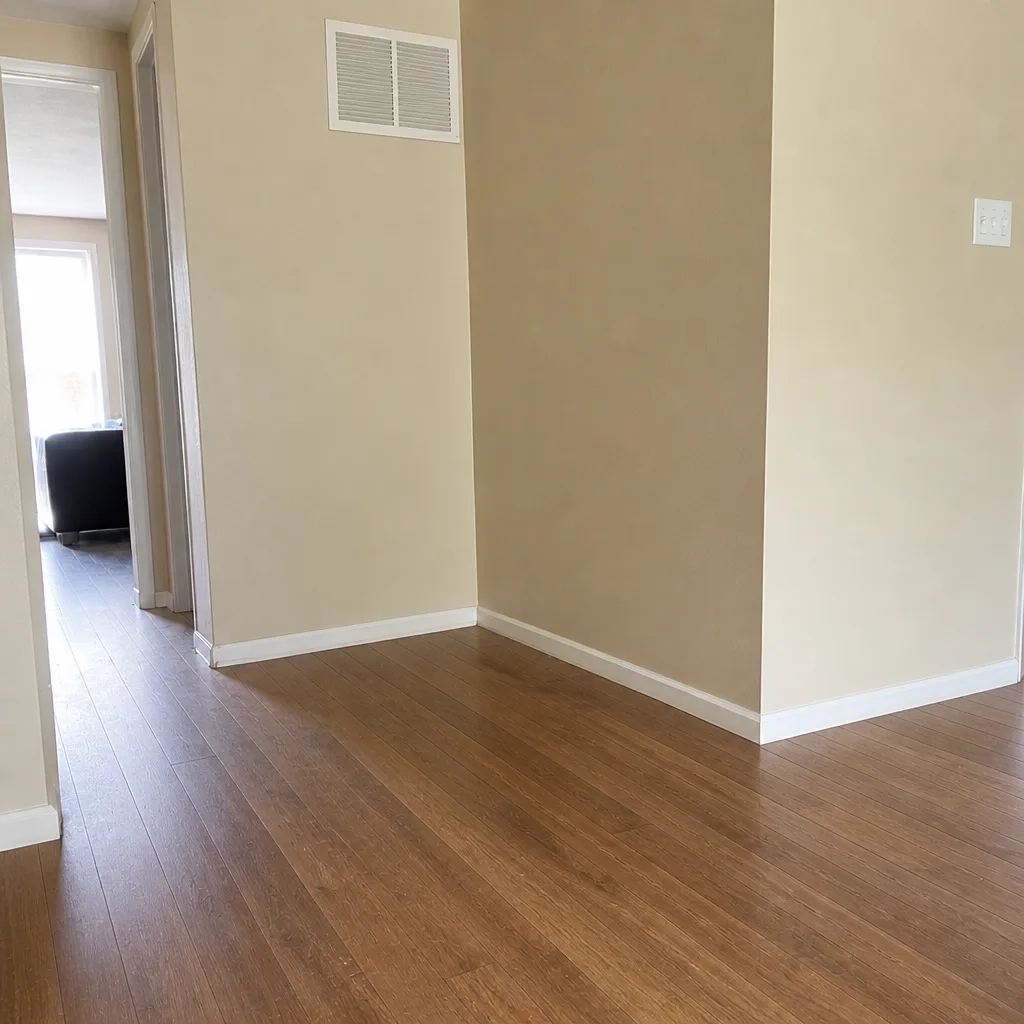
Whole-system duct and dryer vent check with before-and-after photos - you see exactly what came out of your vents
That "$99 whole-house special" is a bait ad - the real number appears once they are in your hallway, or the "clean" is a shop-vac at the register. We photograph the inside of your ducts before and after instead.
Air Duct Cleaning Warning Signs: An Alief Homeowner’s Reference Guide
If one room in your house is consistently 4-6 degrees warmer than the thermostat setting, your duct system is showing you a problem. But it’s probably not the HVAC problem most people assume. A failing compressor and a compromised duct system can produce the same complaint: “that room never gets comfortable.” One needs a refrigeration technician. The other needs a rotary brush, a HEPA vacuum, and someone who knows how to read what your registers are already telling them. In Alief, where the housing stock ranges from 1970s brick ranches to newer townhome builds, the same few duct failures show up again and again. This guide teaches you to tell the difference before you pay for the wrong repair.
Quick Answer
The warning signs of a duct system that needs professional cleaning or repair are visible debris at the supply registers, musty or burning odors that follow the airflow, inconsistent room temperatures that don’t trace back to a mechanical fault, weak airflow at registers detected by a simple tissue test, and visible flex duct sagging or disconnected runs. If you spot two or more of these in Alief, it’s worth letting a technician assess the system. Cleaning solves contamination. Sealing and repair solve leakage and blockage. They’re different problems dressed in the same symptoms.
Styles & brands we work with
- Whole-home duct cleaning
- Dryer vent cleaning
- Camera inspection
- Sanitizing & deodorizing
Table of Contents
- Duct Contamination vs. HVAC Failure: How to Tell Them Apart
- Reading Odor Types: What Each Smell Actually Means
- The Register Inspection Test: Color and Texture Tell the Story
- Static Pressure Imbalances and the Tissue Test
- Warning Signs Specific to Alief’s Housing Stock
- Attic Ducts and Return Air Starvation in Room Additions
- The Dryer Vent Sign Homeowners Always Overlook
- When Cleaning Is Enough and When You Need Repair
Duct Contamination vs. HVAC Failure: How to Tell Them Apart
The single most useful skill in this whole guide is learning to separate two problems that produce nearly identical complaints. A refrigerant leak, a bad capacitor, or a failing compressor produces inadequate cooling. Duct leakage, contamination, or blockage also produces inadequate cooling. Same symptom. Completely different cause. Completely different fix.
Here’s how we sort it. Mechanical failure usually announces itself with a specific pattern. The system runs longer than it used to, or cycles on and off too often. The outdoor unit might make a new noise. The air coming out of the registers is genuinely cold but weak, or it’s not cold at all. Contamination and leakage don’t usually change the differential temperature at the air handler nearly as much as they change how that air gets delivered to the rooms.
Signs that point to the duct system
- One or two rooms stay off-target while the rest of the house holds fine.
- The system keeps running after the thermostat is satisfied, or short-cycles because rooms never reach setpoint.
- Airflow is strong right at the air handler but weak by the time it reaches the far end of the house.
- Visible dust streaks around supply grilles, or debris falling out of the louvers.
- Odor that appears only when the blower is running, then fades when it stops.
Signs that point to the mechanical side
- No air movement at all from the registers while the thermostat is calling.
- Freezing on the refrigerant lines or the indoor coil.
- The outdoor unit hums but the fan doesn’t turn.
- Frequent tripping of the breaker that serves the compressor.
In our experience across Alief, roughly half the “my AC isn’t cooling” calls we hear about through the trades trace back to dirty coils and restricted duct airflow rather than a refrigerant fault. That’s why we lead every assessment with an airflow and visual register inspection before anyone opens a refrigerant gauge. It saves the homeowner a diagnostic fee on the wrong repair.
If you’re not sure which category your problem falls into, our Air Duct Cleaning Alief team walks through the intake process and what we check on a first visit.
Reading Odor Types: What Each Smell Actually Means
Your nose is a diagnostic instrument. Different smells point to different causes, and teaching yourself to tell them apart cuts straight to the right fix.
Musty, wet-earth, or laundry-left-in-the-washer smell
This is the most commonly misread sign in Alief duct cleaning work. Musty odors that follow airflow usually mean moisture is present somewhere in the duct path. Common locations: the evaporator drain pan, the plenum wrap, a section of flex duct pulling moisture off the attic ceiling, or the return-air chase if it shares a wall with a bathroom. When the debris inside a duct stays damp, biological growth takes hold. The fix is not just a cleaning. It’s a cleaning followed by an antimicrobial sanitizing treatment to stop the regrowth, with the moisture source addressed first. If the moisture never gets fixed, the smell comes back within a season.
Burning dust smell on the first heat cycle of the season
That hot-metal, dusty smell during the first heat call of the fall is usually harmless and self-clearing. It’s the dust layer on the heat exchanger and supply plenum burning off. If it persists past two or three cycles, or if it returns every time the heat comes on, the dust layer is heavy enough that it needs professional cleaning. A dust buildup on a heat exchanger is a real efficiency drag and a genuine fire-risk factor at the higher end.
Chemical, plastic, or “hot insulation” smell
This one is the outlier, and we treat it as a stop-and-assess sign. Some older duct liner and insulation materials off-gas when heated, and some flex duct inner liners release odor when they degrade. It can also indicate a wiring or motor issue inside the air handler. If you smell a sharp chemical odor, shut the system down and have a technician inspect before running it again.
On of the biggest signs of trouble, is when the odor is room-specific. A smell that only shows up in one room usually means that branch run has a problem, not the whole system.
The Register Inspection Test: Color and Texture Tell the Story
This is the single most useful thing you can do as a homeowner. Grab a flashlight and a clean white paper towel. Pick three or four supply registers across different parts of the house and inspect each one.
How to read what you see
- Shine the light through the louvers into the first few inches of duct. Look at the duct interior surface, not the grille face.
- Wipe a small section of the interior with the paper towel. Note the color and texture of what comes off.
- Look at the grill face for streak marks where air has been blowing over accumulated dust.
- Compare registers. If one is significantly dirtier than the others, that branch run is getting more airflow or has a leak pulling in attic dust.
What the color and texture tell you
- Light gray, powdery dust: normal accumulation. If it takes years to build up, it’s not urgent.
- Dark gray to black, slightly greasy: carbon and cooking oils. Common in kitchens and returns near the range hood.
- Yellow-brown to rust-colored: often indicates moisture carryover from the coil, or rust from a metal duct transition. Investigate the coil drain.
- White or light-blue speckling: mineral deposits from evaporated condensation. Rare but diagnostic of a sweating duct.
- Fuzzy, greenish-gray patches: biological growth. Needs sanitizing, not just vacuuming.
- Fiberglass fibers or pink/orange flakes: a failing duct liner or deteriorating flex duct interior. This is a repair-and-seal issue, not a cleaning issue.
Run this inspection twice a year: once after the first cool morning in October, once in March before cooling season starts. The register never lies. If you want a second opinion on what you’re seeing, our air duct cleaning service includes a documented register-by-register inspection.
Static Pressure Imbalances and the Tissue Test
Duct leakage and blockage are two halves of the same problem: pressure that isn’t getting where it’s supposed to go. You can detect both with a lightweight tissue and a few minutes of walking around.
The tissue test
- Hold a single-layer tissue flat against the face of a supply register while the system is running.
- Note how strongly it flutters. Move to the next register and repeat.
- Compare every supply in the house, plus the return grille.
What you’re looking for
A well-balanced system delivers roughly consistent airflow to every register of similar size. If the tissue barely moves at a far register but blows strongly at the nearest register to the air handler, that’s a pressure imbalance. Three common causes:
- Undersized or kinked flex duct serving the starved room.
- Leakage in the supply trunk, dumping air into the attic before it reaches the room.
- Blocked or collapsed return path, starving the whole system and dropping static pressure across every register at once.
We measure static pressure with a manometer on any HVAC cleaning visit. The technique: take the reading at the plenum with the filter in place and every register open. A negative pressure at the return or an unusually high pressure at the supply side both point to a restriction or leakage that needs repair, not just cleaning. A tissue test gives you the same directional signal at home in five minutes.
The tissue test doesn’t replace the manometer, but it tells you whether to call. Don’t ignore it if it’s pointed at a fully open, unobstructed register and stays flat. That’s the system telling you the air isn’t arriving.
Warning Signs Specific to Alief’s Housing Stock
Alief has housing stock that comes with its own set of duct warning signs. The 1970s and 1980s brick ranches in the neighborhoods around Bissonnet and Bellaire Boulevard were built with duct systems that are now 40+ years into service, and the newer townhome builds have their own quirks. Here are the signs we watch for specifically in this part of Houston.
Flex duct sagging indicators
Flex duct should be fully extended, with gentle sweeping turns and no sharp bends. Over the years, thermal cycling and less-than-stellar installs cause the inner liner to sag into a U-shape inside the outer sleeve. You can spot this from inside the attic: a run that dips between hangers is restricting airflow by a meaningful amount. One sag in the supply run to a bedroom is the classic cause of “that room is always hot.” A flashlight and a routine attic tour can catch it before it becomes a $400 repair.
Vapor barrier failures in crawl-adjacent systems
In Alief homes where the air handler sits in a conditioned closet off an unconditioned garage, the supply trunk often runs through a transition that passes over unconditioned space. A vapor barrier failure at that transition lets humid Houston air sweat on the cooler duct surface, and the moisture pulls straight into the duct liner. If the duct wrap looks wet or discolored at the transition or any penetration, treat it as a leak. Insulation alone doesn’t fix it. You need duct sealing, and then re-insulation.
Return air starvation in room additions
A lot of Alief homes have been added onto over the years: a converted garage, a bumped-out back bedroom, a screened porch that came inside. Additions almost always add supply registers. Rarely do they add return air. The result is that the system pulls return air from wherever it can, often through gaps and walls near the addition, and the supply runs to the addition get starved of pressure. If the room that stays hot is an addition, the fix is usually a new return path plus balancing, not a new air conditioner.
If you’re seeing these signs across multiple systems, it’s worth a look at our full air duct cleaning Alief overview to understand the full scope of what we inspect.
Attic Ducts and Return Air Starvation in Room Additions
Alief’s climate is humid on a level most of the country never sees. The Gulf moisture hangs in the air most of the year, and any duct run that passes through an unconditioned attic is fighting a losing battle against condensation unless it’s properly insulated and sealed. That’s the context for two very common Alief duct failures.
The first is attic duct sweating. When unconditioned attic air meets a cold supply duct with compromised insulation, condensation forms on the outside of the duct and eventually gets pulled in through seams. The tell is discoloration on the duct wrap and a musty smell appearing only during high-humidity stretches. If you see water stains on the duct wrap, that duct needs re-insulation and sealing before cleaning makes sense.
The second is return air starvation. A return duct draws air back to the air handler so it can be cooled and sent out again. When a room addition isn’t plumbed with a dedicated return, that room becomes a positive-pressure bubble. Air pushes out through every gap in the walls rather than circulating back to the system. The symptoms are: the room feels stuffy and warm even with the door closed, the door is hard to pull shut, or you notice air rushing past the door frame. That’s not an HVAC failure. It’s a duct design problem, and the fix is adding a return path and re-balancing the system.
In either case, a thorough duct assessment should precede any mechanical diagnosis. Our technicians have up to 15 years of experience with Alief systems and know what these failures look like before they’re opened up.
The Dryer Vent Sign Homeowners Always Overlook
There’s one duct in every Alief home that carries a fire risk, and it isn’t connected to the HVAC system at all. The dryer vent is a duct, and when it clogs, the failure mode is fire, not comfort. Lint accumulation is the fuel. A hot dryer with a restricted exhaust is a slow-building ignition source.
Signs a dryer vent needs cleaning
- Clothes take longer than one cycle to dry, especially heavy towels.
- The top of the dryer is hot to the touch after a load.
- Lint is visible around the outdoor vent hood or the flexible duct behind the dryer.
- A musty or scorched smell in the laundry area.
- The exterior flapper door doesn’t pop open when the dryer is running.
If two or more of these are happening, treat it as a fire-safety call, not a convenience call. Dryer vent cleaning is a code-compliance matter in most jurisdictions and a real fire-risk reduction. We treat it as part of every household assessment, and it’s included in our dryer vent cleaning service. It’s the same containment and debris-capture workflow we run on the HVAC ducts, using Abatement Technologies negative-air equipment so lint and dust don’t redistribute through the laundry room.
Many duct-only cleaners skip the dryer vent entirely because it’s a separate credential and a separate workflow. We consider it a core part of a whole-house air and fire-safety assessment.
When Cleaning Is Enough and When You Need Repair
Not every warning sign means “schedule a duct cleaning.” Some point straight at repair and sealing. Getting the two confused is where homeowners waste money.
Cleaning territory
- Visible dust and debris at registers, focused on the duct surfaces.
- Musty or smoke smell that persists after the moisture source is fixed.
- Post-renovation debris from drywall dust, sawdust, or paint off-gassing.
- A system that hasn’t been professionally cleaned in several years and has visible accumulation.
- Dryer vent lint buildup.
Repair and sealing territory
- Disconnected, kinked, or collapsed duct runs (especially flex duct).
- Sagging flex duct that’s reducing airflow.
- Vapor barrier or insulation failures at transitions.
- Missing or undersized returns in additions.
- Duct liner damage or fiberglass shedding.
- Visible gaps at plenum-to-trunk transitions or register boots.
We clean and we repair, because cleaning a leaking duct just means the next load of dust pulls in through the gap. Our air duct cleaning Alief page walks through the full-cycle workflow: agitate, capture, contain, sanitize, seal. It’s the same containment-first discipline the commercial indoor air quality world uses, with Rotobrush rotary-brush agitation and Nikro HEPA-rated vacuum capture. Where filtration and humidity upgrades make sense, we work with Honeywell and Aprilaire products as part of the same visit.
In our experience, about one in three Alief assessments we run turns into a repair-and-seal job rather than a straight cleaning. If we don’t check for leaks, we miss half the problem.
Common Mistakes to Avoid
- Assuming the problem is the AC unit because the symptom is “not cooling.” A weak register at the far end of the house points at the ducts nine times out of ten. Start with the airflow and register inspection before you call for a refrigerant diagnostic.
- Skipping the attic tour. In Alief’s 1970s ranch stock, the flex duct runs in the attic are where the real evidence sits. A flashlight and a walk-through of the duct path will show you sagging, disconnected runs, or failing wrap faster than any indoor inspection.
- Treating a musty smell with air freshener or a plug-in. The odor is telling you moisture is present somewhere. Mask it and you’ve lost the diagnostic signal. Address the moisture source first.
- Hiring a cleaner who shows up with a shop vac. Consumer-grade vacuums cannot generate the suction to dislodge bonded debris, and they redistribute the fine dust back into the living space. Our jobs run on Rotobrush rotary-brush agitation plus Nikro HEPA-rated capture, with Abatement Technologies negative-air equipment controlling the return.
- Ignoring a hot dryer or clothes that don’t dry in one cycle. That’s a lint-clogged vent, and it’s a fire-risk signal. It’s a code matter, and it’s a same-day fix.
- Adding a return to a room addition is not optional in Alief’s climate. Without a return path, that room stays stuffy and warm regardless of what the thermostat reads. A new return path is cheaper than a new system.
- Cleaning the ducts without sealing the leaks. A cleaning without a sealing check just pulls the same attic dust back in through the same gaps. Sealing is what stops the recurrence.
See the difference
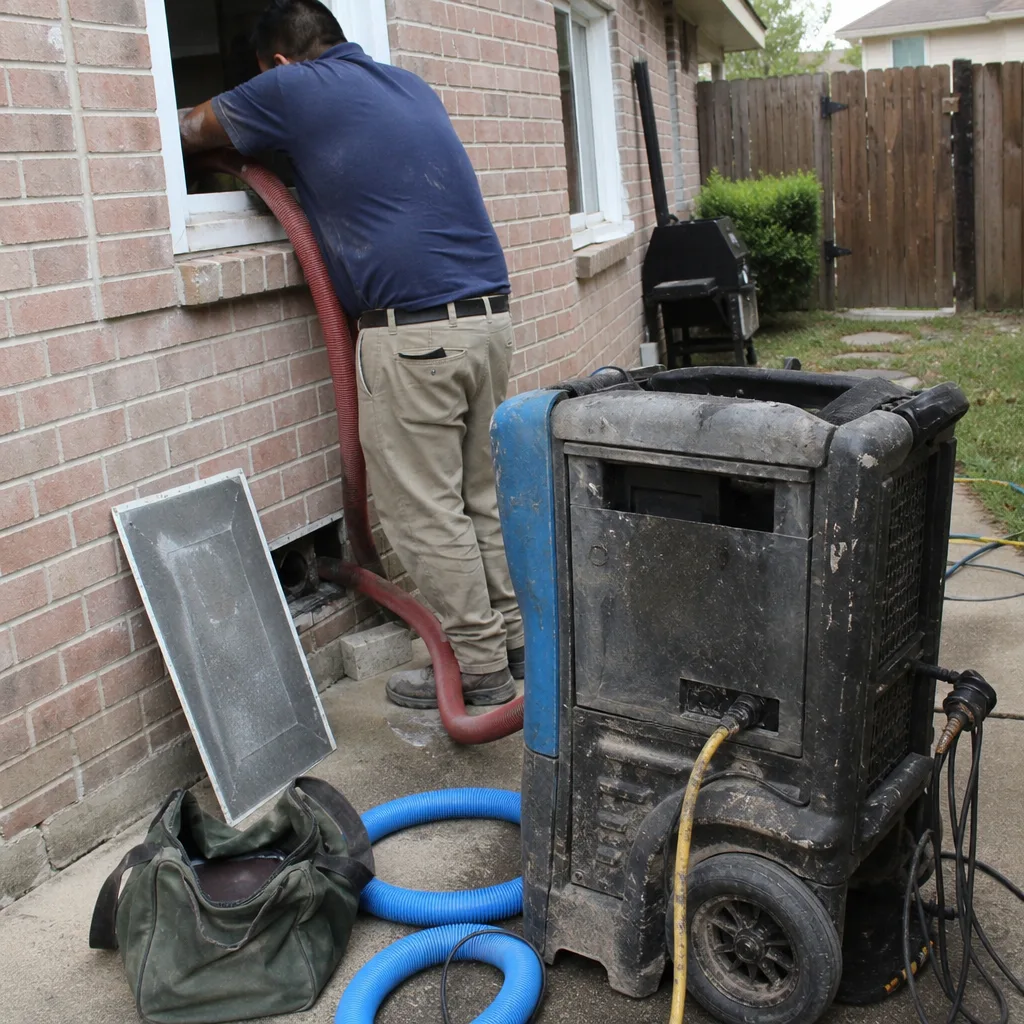 Before
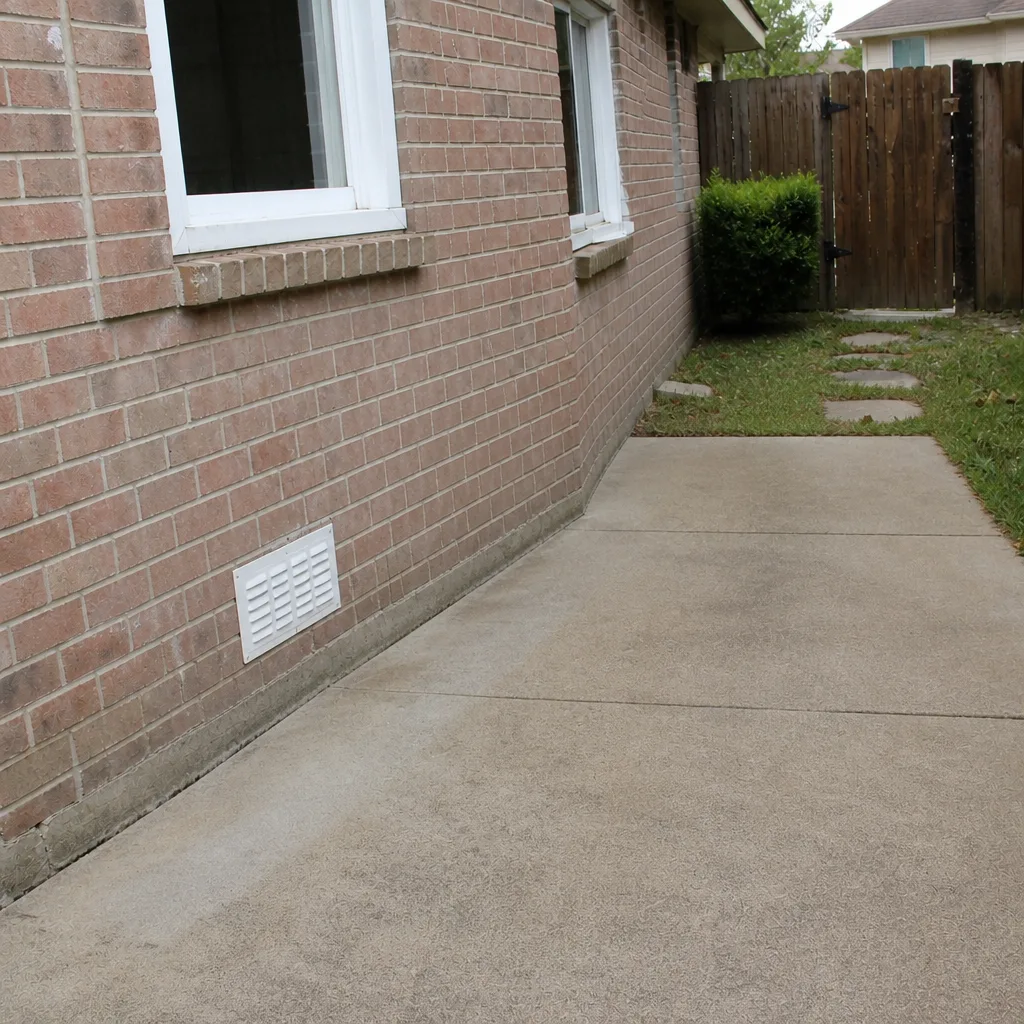 After
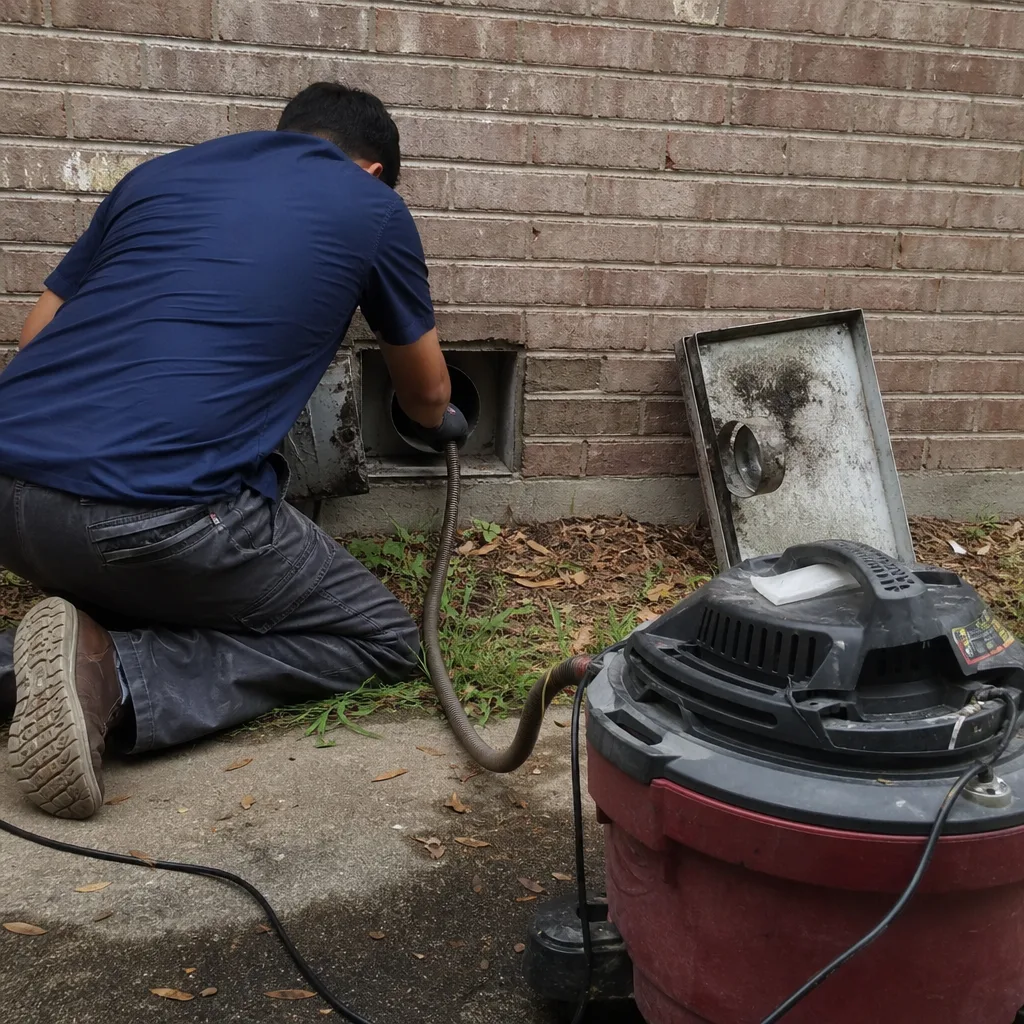 Before
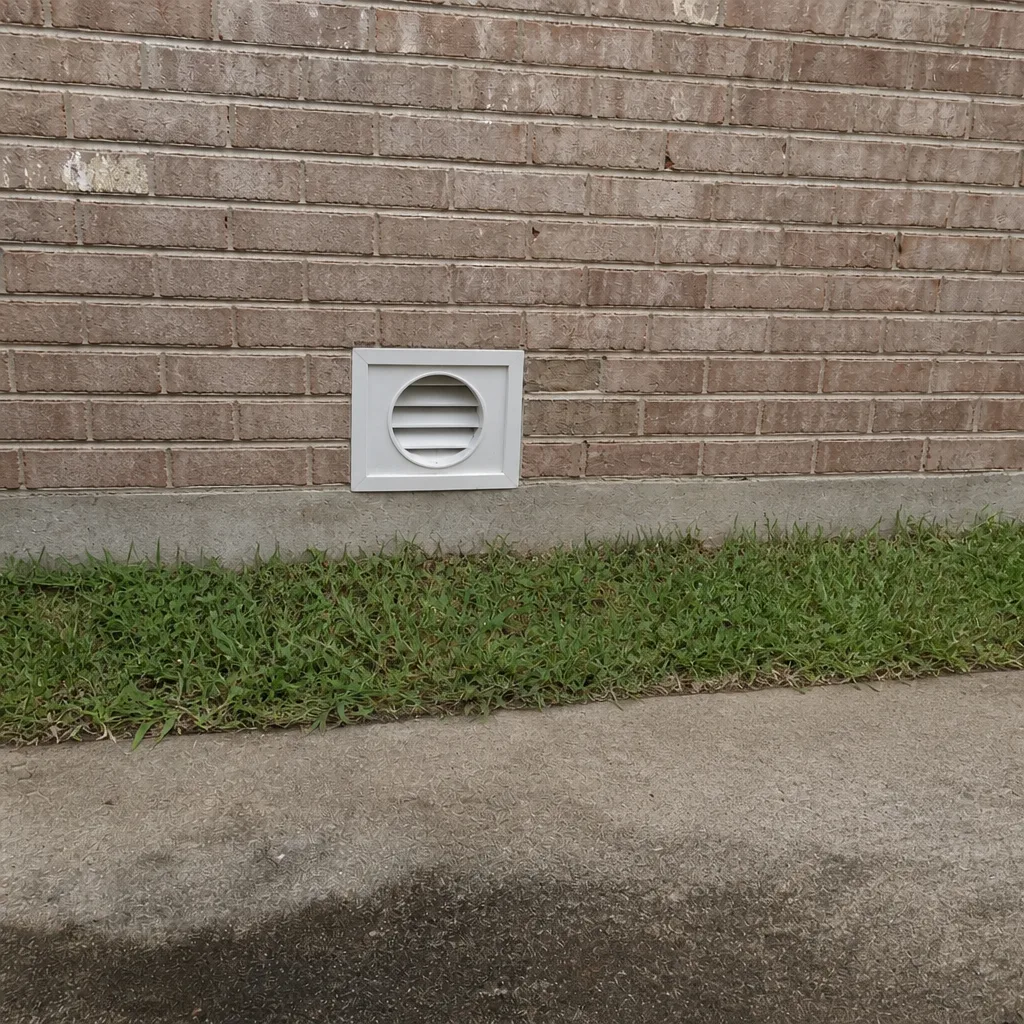 After
 Before
 After
When to Call a Professional
Call a professional whenever you see two or more of the following in the same house: dark or greasy accumulation visible inside supply registers, a musty or chemical smell that appears only when the blower is running, a room that stays 4-6 degrees off setpoint while its register has strong tissue flutter (suggesting a blockage downstream), a visible flex duct sag or disconnected run in the attic, a dryer that takes longer than one cycle to dry a load, or documentation gaps on the last professional cleaning. Any of these individually warrants a look. Together, they warrant a full assessment.
The one thing that shouldn’t wait: a chemical or burning smell that returns more than twice. Shut the system down and get a technician out before you run it again. That’s a safety call, not a comfort call. Air Duct Cleaning Alief offers free estimates in Alief. Call (877) 492-3978. We answer 24/7. Fast dispatch from 7am to 7pm, Sunday through Friday. The local pro who arrives is licensed and insured as the state requires.
Frequently Asked Questions
Look at whether the problem is mechanical cooling or airflow delivery. If one room stays off-target while the rest of the house is fine, or if airflow is uneven across registers, the problem is almost always in the ducts. If no air moves at all, refrigerant lines freeze, or the outdoor unit hums without the fan turning, that’s mechanical. Our technicians have up to 15 years of experience distinguishing the two, and we use a visual register inspection plus static pressure readings to sort it out before anyone opens a refrigerant gauge. Call (877) 492-3978 for a free estimate.
Almost always one of three things: a compromised supply run to that room (kinked, sagging, or undersized flex duct), a duct leakage path dumping air into the attic before it reaches the room, or a missing return in a room addition. What it usually is not: a failing air conditioner. A flex duct sag or disconnected run is the most common physical cause we find in Alief’s older ranch homes. Call (877) 492-3978 for a free estimate.
A musty smell means moisture is present in the duct path, and it usually points to biological growth fed by a coil drain or a vapor barrier failure. A burning dust smell on the first heat cycle of the season is usually harmless buildup burning off the heat exchanger and often self-clears. A burning smell that returns every time the heat runs needs professional cleaning. A sharp chemical smell needs the system shut down and inspected. Call (877) 492-3978 for an assessment.
Use the tissue test. Hold a lightweight tissue flat against each supply register while the system runs. If the tissue barely flutters at any fully open register, that run is starved, and the likely cause is either a kink or a leak in the trunk. If a nearby register blows strongly while a distant one is weak, that’s a pressure imbalance pointing to a supply-side leak. A manometer measurement on a service visit confirms the reading. Call (877) 492-3978 for a free estimate.
The most common reason is equipment and process scope. A shop vac and a shop-vac-grade hose can’t generate the suction to pull bonded debris off the liner, and it can’t contain fine dust. Our jobs run on Rotobrush rotary-brush agitation plus Nikro HEPA-rated vacuum, with Abatement Technologies negative-air equipment controlling the containment. The price gap also often reflects whether the quote includes a sealing and repair check. Cleaning a leaking duct just pulls the dust back in. Call (877) 492-3978 for a free estimate.
Most homes in Alief benefit from a professional assessment every few years, and the frequency depends on the home. New construction, recent major renovation, pets, high indoor dust, and dryer vent lint all accelerate the need. Homes near Bellaire Boulevard with older flex duct installations tend to accumulate faster. The register inspection is a good self-check between visits. If in doubt, a free estimate settles it. Call (877) 492-3978.
What Happens When You Call
We answer the phone, ask a short set of diagnostic questions about your system, and schedule a free estimate at a time that works. On the visit, the technician walks the registers, inspects the attic duct path, and takes a static pressure reading before recommending a scope of work. The written estimate sets the price for the whole job, one flat price per system, with no per-register pricing and no teaser fee that grows once the technician is inside the house. You see before-and-after photos of your own ducts when the work is complete. One flat price per system, agreed before the work starts.
Call (877) 492-3978. We answer 24/7. Fast dispatch from 7am to 7pm, Sunday through Friday. We’re closed on Saturday, and a call outside dispatch hours is booked into the next opening, Sunday through Friday, 7am to 7pm. If you’d like to see how a full assessment runs end to end, our HVAC cleaning page covers the manometer, containment, and sanitizing workflow in detail.
The Bottom Line
Warning signs in a duct system are usually visible, smelly, or measurable, and almost always misread as an HVAC mechanical problem. The register inspection tells you about contamination. The tissue test tells you about pressure and leakage. Odor type tells you about moisture or a failing component. In Alief’s housing stock, attic flex duct sagging and return air starvation in additions are the most common preventable failures. The fix is either cleaning or repair-and-sealing, and getting the two confused wastes money on the wrong trade. Read your system before you pay to fix what it’s telling you.
Call (877) 492-3978 for a free estimate. We answer 24/7. Fast dispatch from 7am to 7pm, Sunday through Friday. Cleaning with Rotobrush and Nikro, containment with Abatement Technologies, and full-cycle scope that includes dryer vent cleaning and Duct Repair & Sealing. One flat price per system, agreed before work starts.
Written by the team at Air Duct Cleaning Alief.