
Last updated November 25, 2026
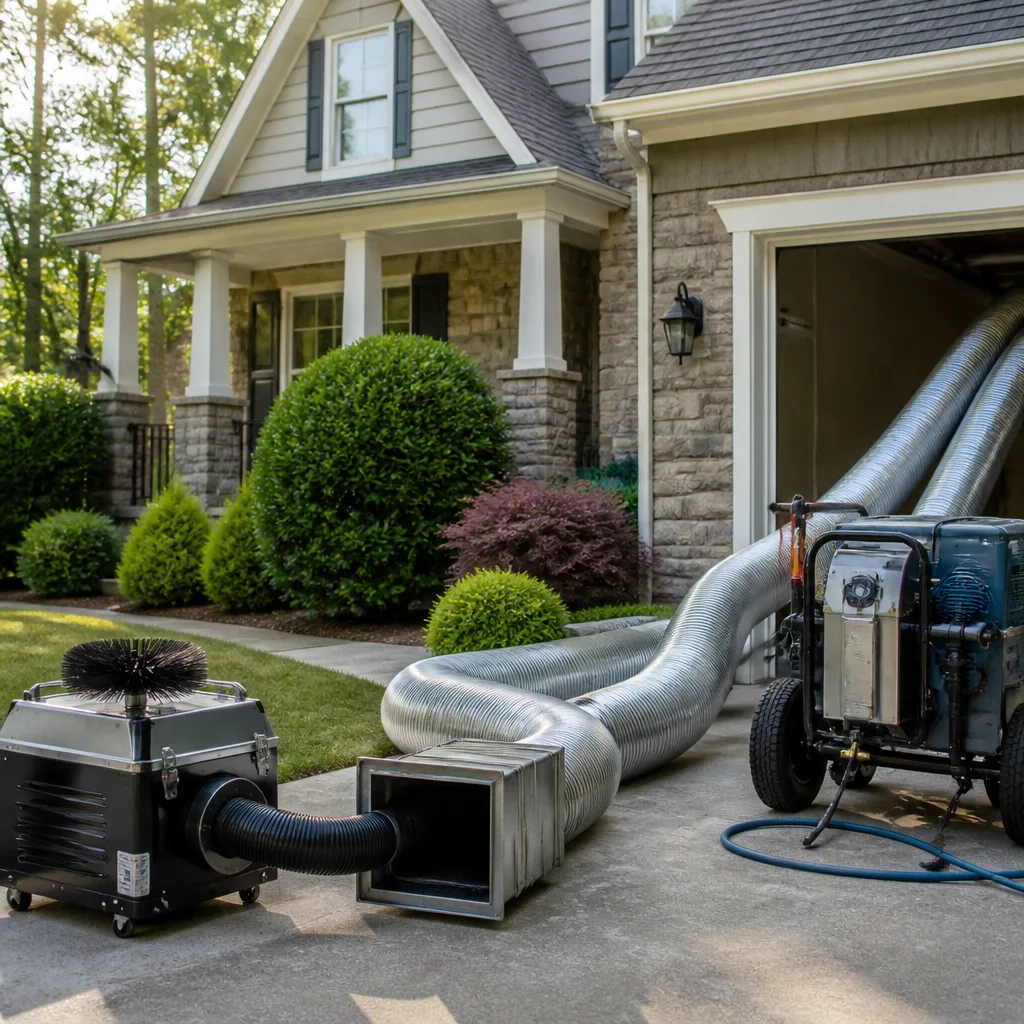 Whole-home duct cleaning
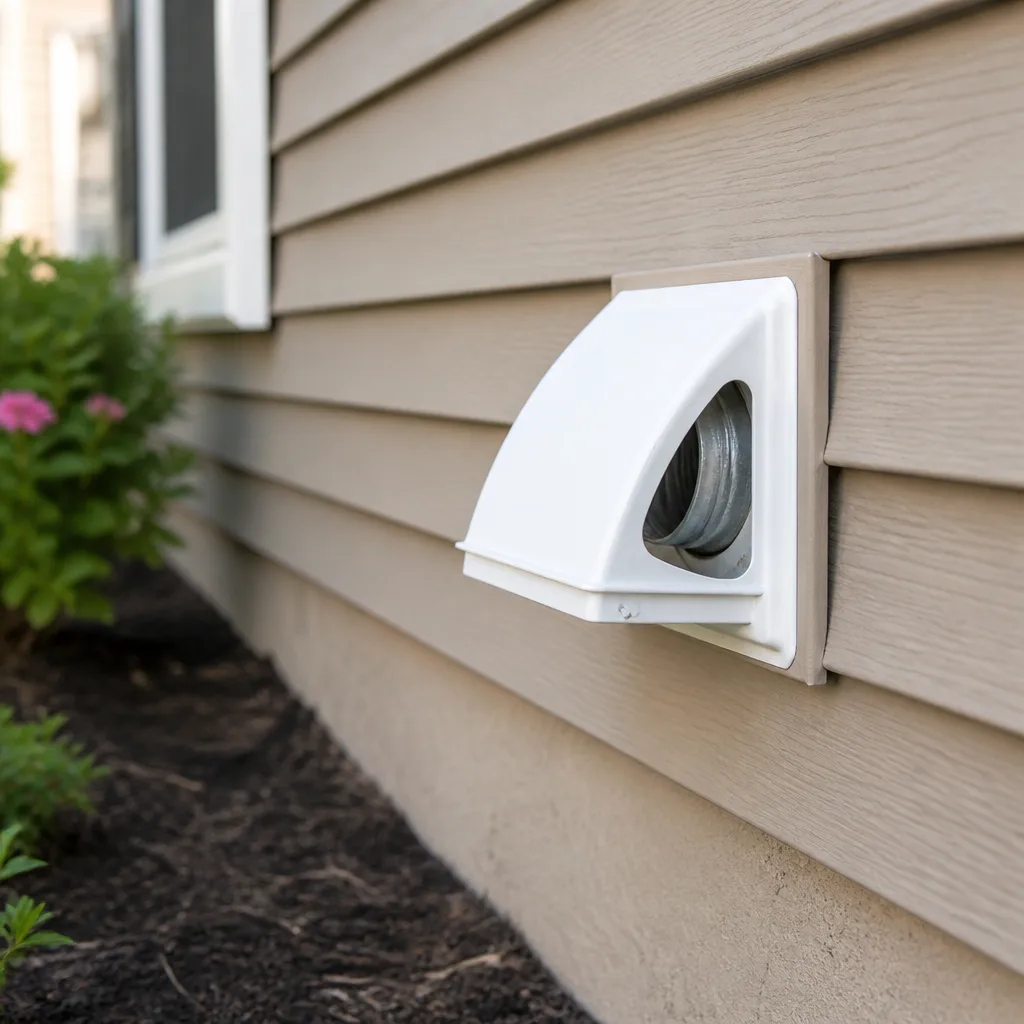 Dryer vent cleaning
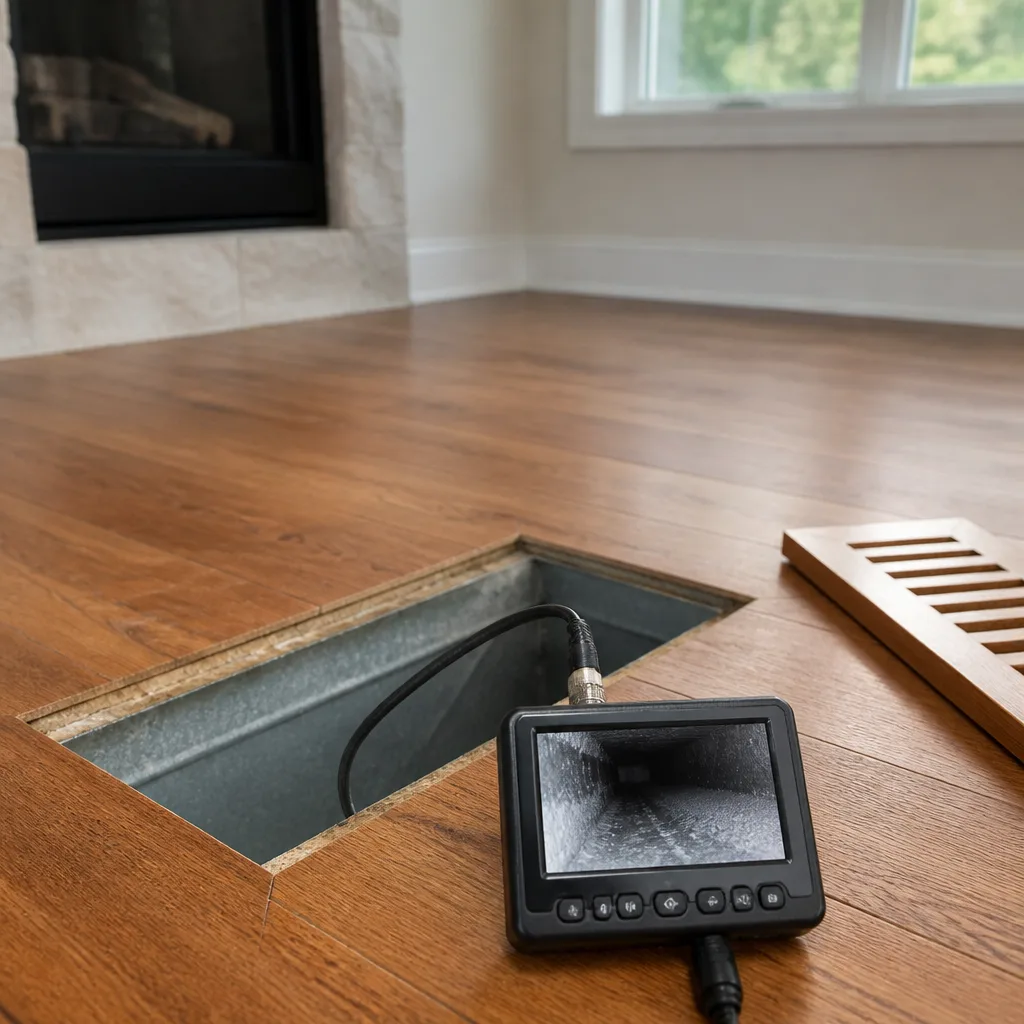 Camera inspection
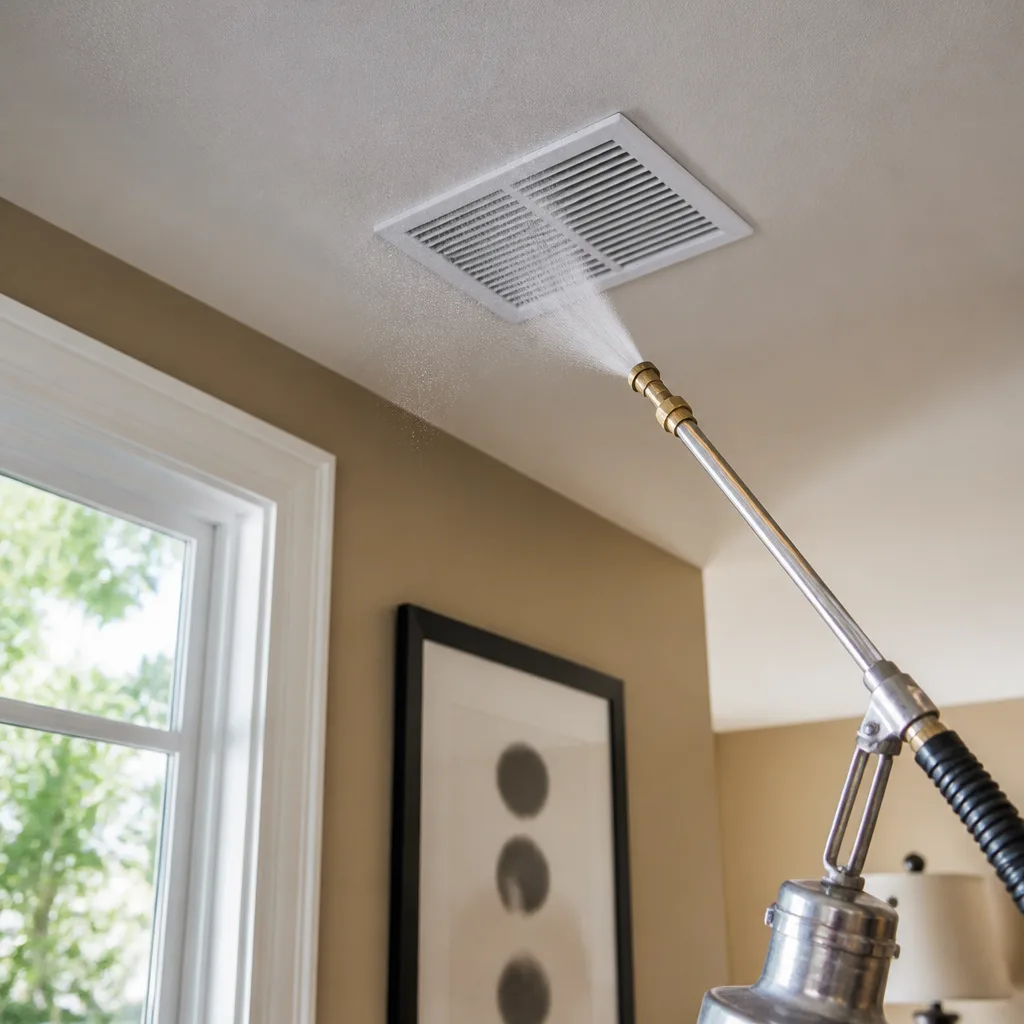 Sanitizing & deodorizing
Whole-system duct and dryer vent check with before-and-after photos - you see exactly what came out of your vents
That "$99 whole-house special" is a bait ad - the real number appears once they are in your hallway, or the "clean" is a shop-vac at the register. We photograph the inside of your ducts before and after instead.
DIY vs Professional Air Duct Cleaning: The Alief Homeowner’s Decision Guide
Most homeowners who ask whether they can clean their own ducts are picturing the wrong job. They picture dust sitting loosely in a straight pipe, waiting for a shop vac. What actually sits inside an Alief duct system is often packed against the walls of a main trunk line, glued to flex duct ribs by years of humidity, and sitting behind an air handler cabinet that a homeowner can’t safely open. A rented kit or a brush on a drill can reach the first stretch of a supply run. The rest needs negative pressure and agitation equipment in a different class altogether. This guide explains what the difference actually is in mechanical terms, what you can legitimately do yourself, and how to decide which path makes sense for your house.
Quick Answer
Professional air duct cleaning uses rotary-brush agitation plus HEPA-rated negative-pressure vacuum systems that pull 1,500 to 3,000+ CFM while holding the duct under continuous negative pressure with containment equipment at the openings. Consumer vacuums and rental units produce a fraction of that airflow and no true containment, which is why DIY cleaning reliably handles visible surface dust near registers but can’t remove debris packed into trunk lines, air handler boxes, or flex duct joints. In Alief’s humid climate, damp debris compounds the gap because it doesn’t release the way dry dust does.
Styles & brands we work with
- Whole-home duct cleaning
- Dryer vent cleaning
- Camera inspection
- Sanitizing & deodorizing
Table of Contents
- The Physics Gap: What Negative Pressure Actually Means
- What Professional Equipment Does That a Shop Vac Can’t
- What Homeowners Can Legitimately Do Themselves
- Where DIY Attempts Make Contamination Worse
- How Alief Humidity Changes the Risk Calculation
- The Honest Cost-Benefit Math
- How to Decide: A Step-by-Step Framework
- Common Mistakes to Avoid
The Physics Gap: What Negative Pressure Actually Means
“Negative pressure” gets thrown around loosely. In duct cleaning it means something specific: the vacuum is pulling harder than the duct system loses air, so every opening in the system pulls inward instead of blowing outward. That’s the whole safety principle. If the vacuum is undersized relative to the leakiness of the ductwork, dislodged particles go wherever the pressure gradient sends them, which is usually into the room.
A proper negative pressure setup on a residential system has three parts working together:
- Airflow capacity. Professional HEPA vacuum units in the Nikro class move well over a thousand CFM through the connection, versus the 150 to 350 CFM a consumer shop vac can manage through a small duct port.
- Sealing and containment. Every register that isn’t being worked is sealed, and the vacuum ties into the trunk or plenum through a fitted connection, not a loose hose stuffed into a vent.
- Containment at the work face. Abatement Technologies negative-air machines and containment barriers catch what gets dislodged at the register being cleaned, so debris never enters the living space.
Static pressure is where consumer gear falls apart. A shop vac rated at 180 CFM free-air might move 40 or 50 CFM once you attach a long flexible hose and reach into a system with any resistance. The duct is also leaky, and every unsealed register bleeds pressure. You end up with a vacuum that is technically running but generating almost no pressure differential across the debris you’re trying to lift. Agitation matters too. A rotary brush spun at real torque breaks the bond between debris and duct wall. Waving a consumer brush inside a duct pushes the lightest layer around and leaves the rest.
We run Rotobrush rotary-brush systems tied into Nikro HEPA vacuums on every job for exactly this reason. The equipment isn’t a branding preference. It’s what’s needed to agitate, capture, and contain in one continuous pass.
What Professional Equipment Does That a Shop Vac Can’t
The professional process has five stages, and each one exists to solve a specific failure mode that DIY cleaning can’t address. Here’s how it actually works:
- Assessment. The technician maps the system, checks register airflow, inspects the air handler, and looks for signs of microbial growth, pest activity, or failing flex duct liner. Problems get identified before anyone starts agitating.
- Containment setup. Negative-air machines and containment barriers go up at work openings. Registers get sealed. The vacuum ties into the trunk or plenum.
- Agitation. Rotary brushes, air whips, and compressed-air tools work through the supply and return runs, breaking debris loose from the walls of the duct system, including the trunk lines and the plenum above the air handler.
- Capture. The HEPA vacuum pulls everything dislodged back to the collection point while the duct stays under negative pressure. Nothing enters the room.
- Verification and treatment. The technician does a visual check with a camera or direct view, and if microbial growth was present, applies a sanitizing treatment following Guardsman-grade protocols. Sealing and repair of gaps or failed joints can happen in the same visit.
Compare that to what a homeowner-facing rental can achieve. It can usually reach the first 12 to 18 inches of a supply run from the register side. It can’t reach the main trunk, the return plenum, or the interior of the air handler cabinet. It can’t generate enough airflow to lift compacted debris back to a collection point. And it has no containment piece, so whatever gets dislodged gets redistributed through the house, which is the opposite of the goal.
What Homeowners Can Legitimately Do Themselves
That’s not a pitch for doing nothing between professional visits. Several parts of duct and air-quality maintenance are genuinely homeowner tasks and there’s no reason to pay someone for them.
Filter changes. The single most effective thing a homeowner can do for duct and air-quality health is change the filter on schedule. A clogged filter starves the blower, forces air past the filter frame gaps, and drags dust into the return. If you’re investing in filtration, Honeywell and Aprilaire whole-home filter cabinets are the kind of upgrade worth discussing with a technician because the filter fit and MERV rating have to match what the system can move.
Register and grille cleaning. Pull the supply and return registers and wipe them down, along with the visible boot below the register. That’s surface, and it’s easy.
Dryer vent inspection. Check the outside termination for lint buildup and confirm the flapper opens and closes freely. If you can’t see daylight through the vent or the line is long and full of elbows, that’s the point to stop and call someone. Dryer vents are a fire risk and a code-compliance matter, and professional dryer vent cleaning handles the full run, not just the visible end.
Visual debris assessment. Flashlight down a register boot after removing the grille tells you if there’s loose debris near the surface. If the duct wall is visible and clean, that’s a good sign. If it’s coated, it doesn’t tell you how far back the problem goes.
What to skip: anything that requires opening the air handler cabinet, disconnecting flex duct from a boot, or reaching past the first elbow. Those are the cases where a homeowner can easily damage a seal, tear duct liner, or introduce more contamination than they remove.
Where DIY Attempts Make Contamination Worse
Most homeowners assume an attempted cleaning can’t be worse than no cleaning. That isn’t true, and the specific failure modes are predictable.
Redistributing mold spores. If a return duct has surface microbial growth and someone brushes it without HEPA capture or containment, every stroke throws spores into the air stream and out through the supply registers into the living space. That’s the exact scenario professional containment equipment exists to prevent.
Compressing debris against flex duct ribs. Flex duct has a spiral wire core with a smooth interior liner. A brush without strong vacuum behind it pushes debris along the liner until the rib catches it, then it compacts into the corrugation. What was loose dust becomes a hard, adherent band that’s much harder to remove than it was before.
Dislodging degraded insulation liner. Interior duct liner, and in some systems the interior coating of flex duct, can degrade with age and moisture. A consumer brush dragged through it will tear pieces loose. Those pieces then travel downstream and lodge in elbows and at the air handler inlet, restricting airflow.
Reversal at the register. The other classic failure: the vacuum is undersized, the register opening back-pressures, and debris that was dislodged blows back out of the register right into the room. If you’ve ever seen a plume of dust come out of a vent while someone worked on it, that’s what happened.
The pattern in Alief’s housing stock is worth knowing too. Much of the local housing was built with flex duct systems rather than hard-piped galvanized trunk runs. Flex duct has more surface area relative to its volume and more corrugations for debris to catch on, and every joint is a potential leak point. That geometry amplifies the cost of a failed DIY attempt.
How Alief Humidity Changes the Risk Calculation
The Gulf humidity that defines an Alief summer has a mechanical consequence for duct debris that homeowners outside the region don’t deal with the same way. Damp dust behaves differently from dry dust. It clumps. It packs. It sticks to the duct wall and to the flex liner, and it does not release on light agitation.
What that means in practice is that the debris load in an Alief duct system is often denser and more adherent than it looks from outside. Two things follow.
- DIY has less to work with. A consumer vacuum working on loose dry dust has a fighting chance. Working on damp, compacted debris, it has almost none. What comes out is the top layer; what stays is the layer under it.
- Moisture is a microbial accelerant. Duct liner that stays lightly damp is a surface for microbial growth. Interior liner damage, gaps at joints, and unsealed boots all let conditioned air leak into unconditioned space, or the reverse. Where moisture sits and air speed drops, biological growth has what it needs.
This is where a maintenance strategy has to go beyond vacuuming. The right combination for Alief is filtration matched to the system (Aprilaira whole-home filter cabinets are a common recommendation where the return plenum has room), humidity control so the system isn’t contributing to the problem, and duct sealing so the system isn’t drawing unconditioned attic air into the supply side. Professional HVAC cleaning covers the air handler and coil surfaces where damp debris accumulates most directly. Fixing the leaks is the other half, and it’s a different service than cleaning. Duct Repair & Sealing exists for exactly the cases where gaps and failed joints are found during the clean.
The Honest Cost-Benefit Math
Professional duct cleaning isn’t cheap compared to a rental. But the right comparison isn’t the rental cost against the professional cost. It’s the total downstream cost of leaving the problem versus the cost of dealing with it. Here’s what that looks like framed the honest way.
- Filter wear. Debris in the return plenum loads the filter faster than system design expects. A filter that should last months gets loaded in weeks. Across a year, that’s real money, and it’s money spent treating a symptom.
- Blower motor strain. A dirty return path and an obstructed air handler increase static pressure across the blower. The blower runs hotter and longer to move the same air. Over time that’s motor wear, and a blower motor replacement is a substantial repair.
- Cooling efficiency. A dirty evaporator coil from a dust-laden airstream loses heat-transfer efficiency. The system runs longer, uses more energy, and the house doesn’t get as cold. Cleaning the coil and the plenum recovers efficiency that build-up took away.
- Remediation cost. The scenario that dwarfs the other three: a damp duct system with microbial growth that gets disturbed by an unsophisticated DIY attempt and spreads spores through the living space. Remediation in that case is a much larger scope than a professional clean and sanitize. It involves containment, surface treatment, and verification.
None of that math works if the cleaning is a one-time event and the gaps stay open. Duct Repair & Sealing done at the same time as the clean is what keeps the system from re-contaminating. The clean removes the load; the seal stops new load from coming in. If your system is aging, flex duct with visible interior issues, or you’ve had a renovation that pushed construction dust through the system, that combination makes the most sense.
How to Decide: A Step-by-Step Framework
Every house is different, but the decision follows a few clear steps. Work through these in order.
- Check the register boots. Pull a supply and a return grille. Wipe the visible boot. If the boot is clean and the duct wall behind it is clean, you’re probably not in a severe situation and surface maintenance may be enough for now.
- Note what the system is doing. Uneven airflow, weak airflow in some rooms, a musty smell near the return, visible dust plumes from a register when the system starts up, or increased allergy symptoms in the house are all signs the problem is past the surface.
- Check the filter and the filter housing. If the filter is routinely loaded with fine debris faster than expected, and the filter housing shows dust past the filter edge, debris is getting past the filter and into the system.
- Look at the dryer vent. If the flapper doesn’t open fully, lint is visible around the termination, or clothes are taking longer to dry, that’s a fire-safety item and a professional job. It’s in the same visit as a duct clean, which is the practical reason to bundle.
- Call for an inspection. A free estimate and system assessment tells you what’s actually in there. The cost of an honest look is nothing; the cost of guessing wrong is everything in the section above.
If the system is more than a decade old, has visible flex duct, or you can’t remember the last cleaning, that’s the point at which the answer is usually professional cleaning plus sealing. If it’s newer, well-maintained, and the boots look clean, surface maintenance and filter discipline may be enough for a while.
Air Duct Cleaning Alief offers free estimates on Air Duct Cleaning Alief services, and we’ll tell you honestly if the system doesn’t need work.
Common Mistakes to Avoid
- Using a shop vac with a homemade duct attachment. The vacuum is undersized, the seal is bad, and the pressure reverses at the register. You end up adding debris to the room, not removing it.
- Skipping containment. Any work that agitates duct debris without a negative-air setup and sealed openings is redistributing that debris into the living space. There’s no way around this one.
- Ignoring the air handler and plenum. A lot of the debris load sits in the return plenum and on the air handler surfaces, which almost no DIY approach can reach. Cleaning the ducts without cleaning what feeds them leaves the system half-done.
- Cleaning without sealing. Cleaning a leaky system and leaving the gaps is cleaning that recontaminates. In flex duct systems with multiple joints, gaps are the norm, and they let attic air and debris back in.
- Assuming damp debris will vacuum out like dry dust. Alief humidity makes the debris more adherent. A consumer vacuum that works on dry dust elsewhere will give near-zero recovery here.
- Skipping the dryer vent. Most duct-only cleaners don’t cover dryer vents, and that vent is the highest fire-risk part of the whole system. It should be part of the same visit.
- Chasing the cheapest quote without asking what equipment is used. The quote isn’t priced on equipment class. A low quote with consumer equipment isn’t a bargain; it’s a different service that doesn’t do what professional cleaning does.
See the difference
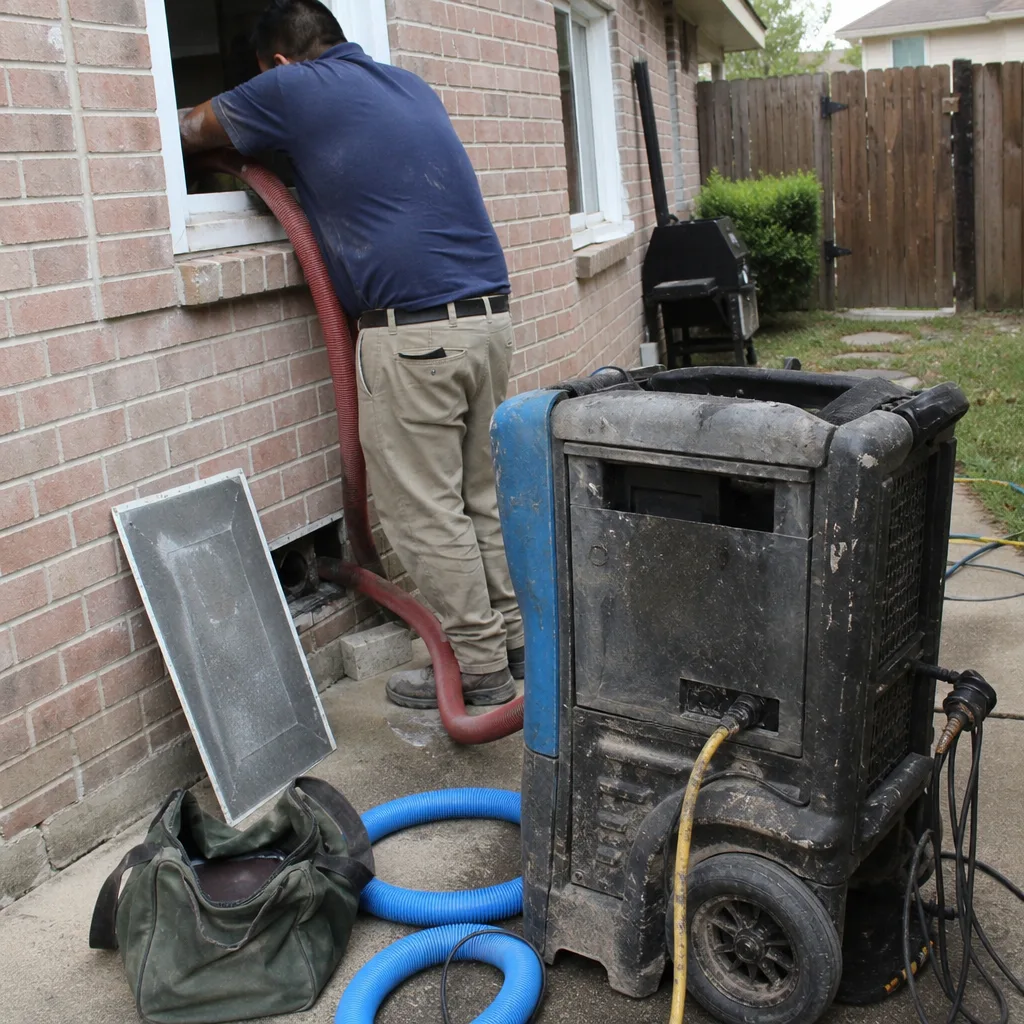 Before
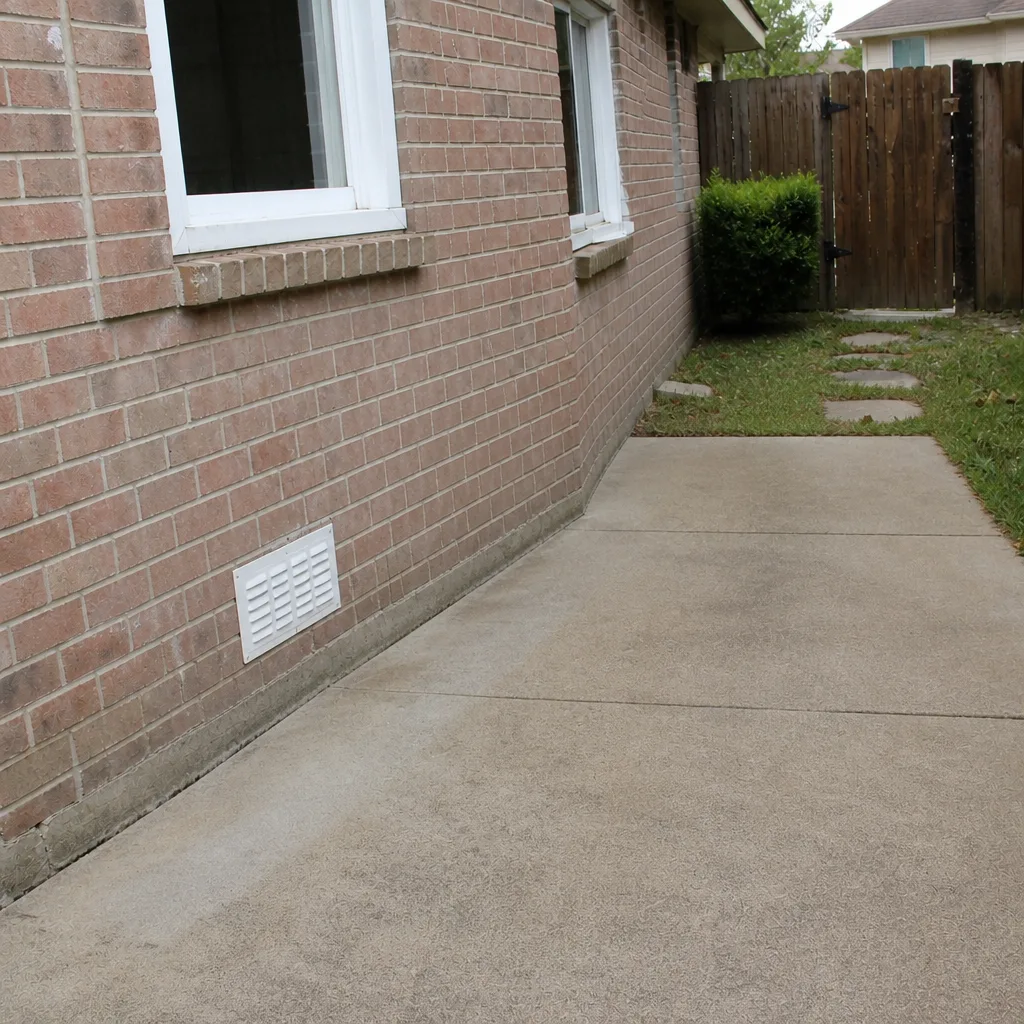 After
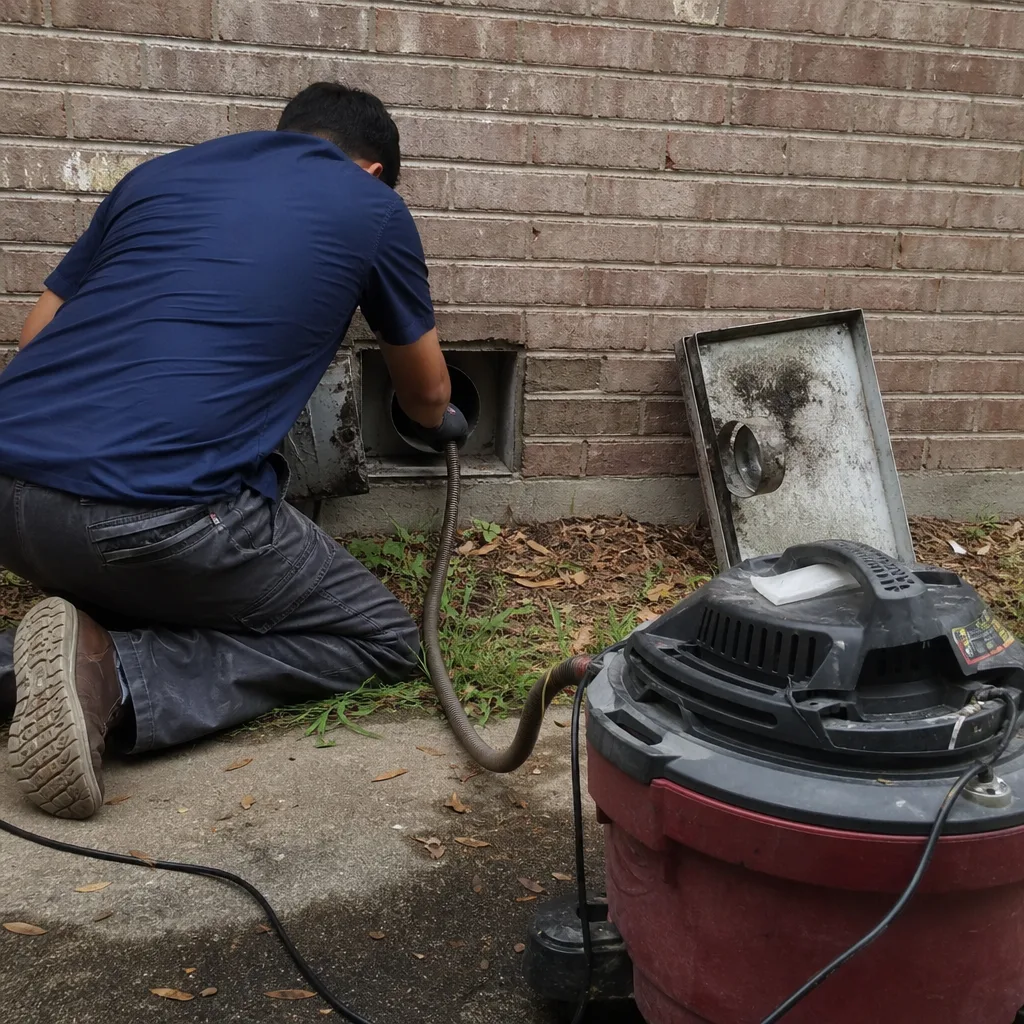 Before
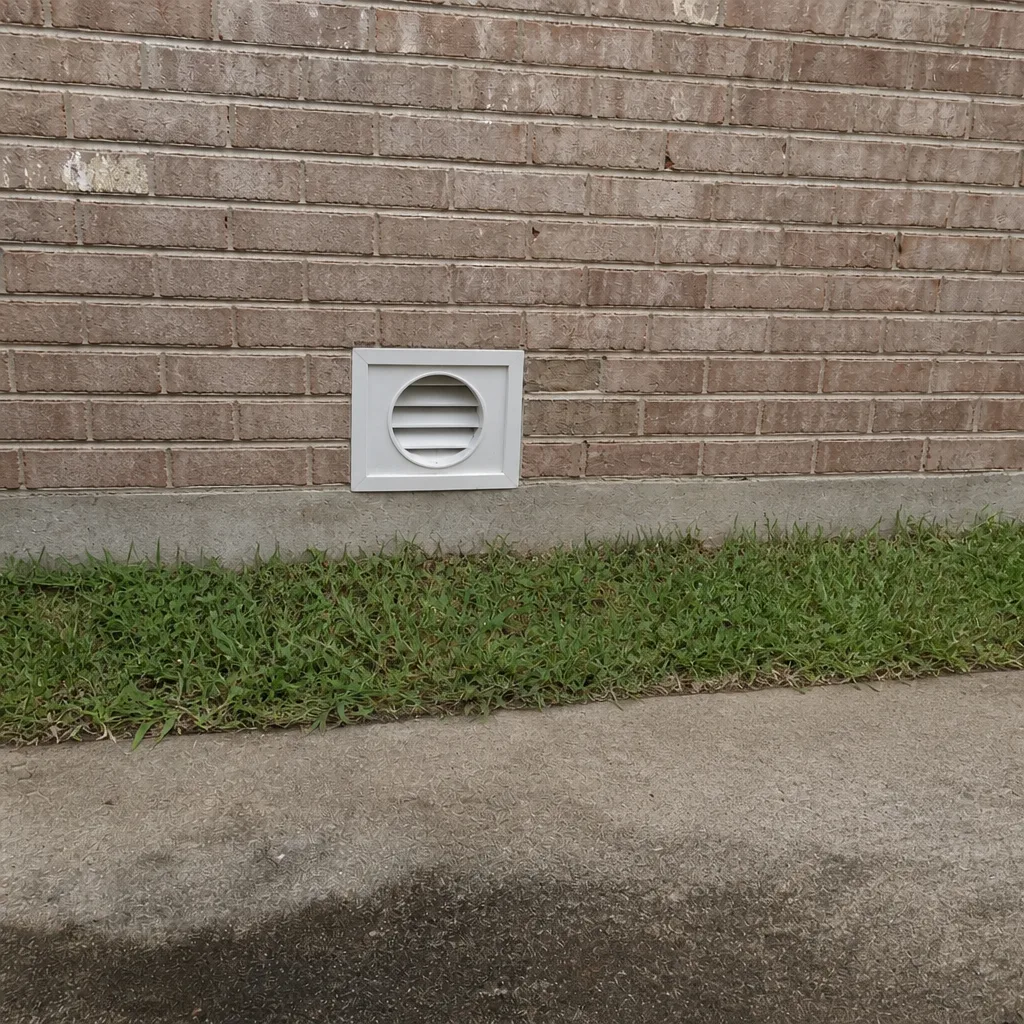 After
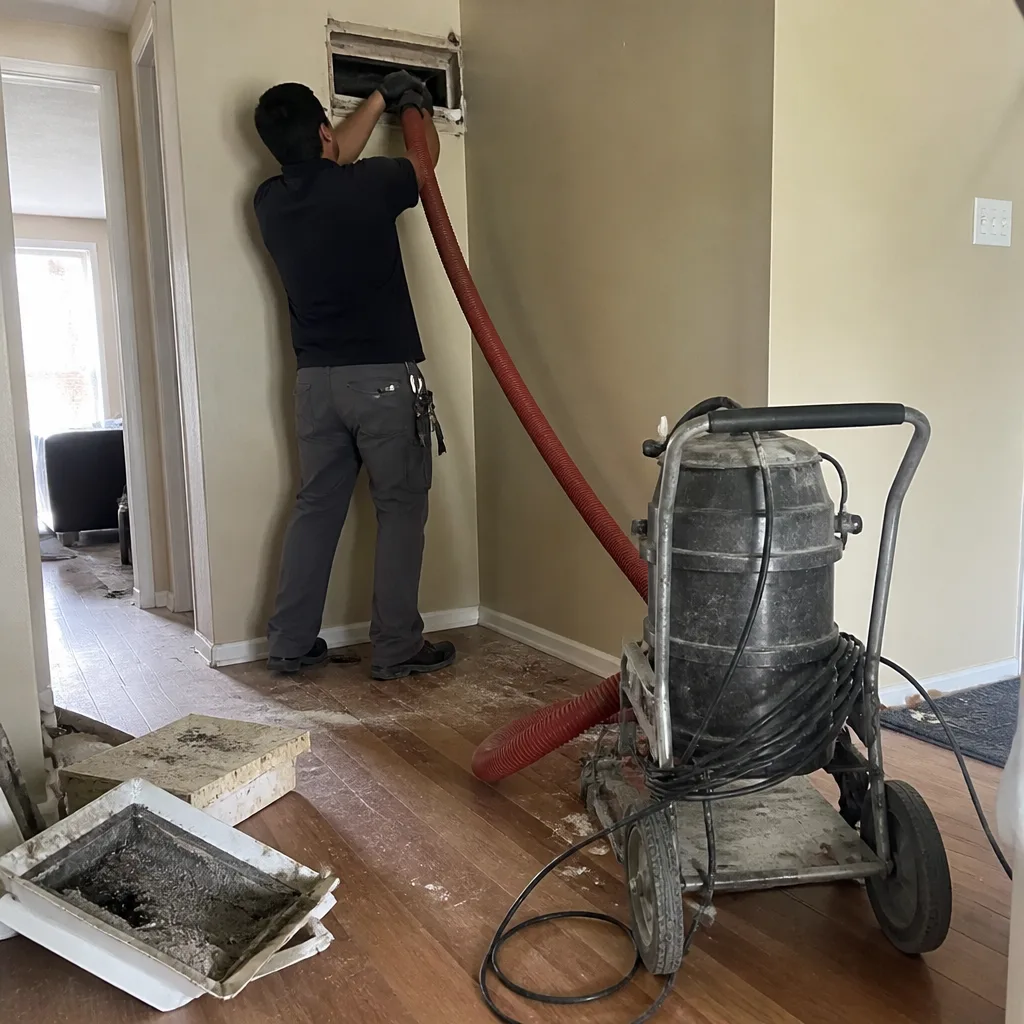 Before
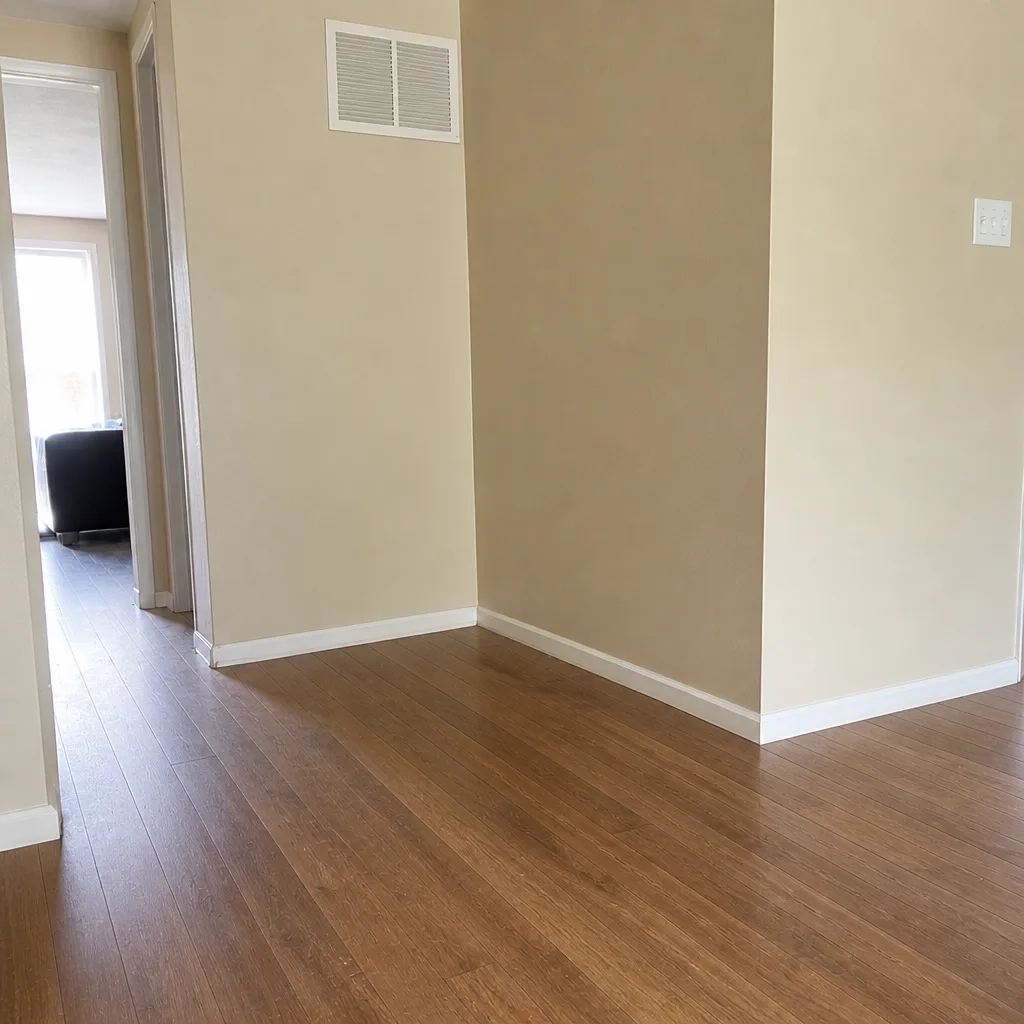 After
When to Call a Professional
Call when the register boots show dust or debris past the surface, when there’s a musty smell near the return, when you see dust plumes at system start-up, or when airflow is uneven across the rooms. Call if the system is more than a decade old and hasn’t been cleaned in recent memory. Call after a renovation if construction dust moved through the system. Call for the dryer vent if you haven’t had it cleaned and you can’t see clear through the outside termination. And call if you started a DIY attempt and the duct liner came loose or the debris seemed to blow back into the room. Air Duct Cleaning Alief offers free estimates in Alief. Call (877) 492-3978. We answer 24/7. Fast dispatch from 7am to 7pm, Sunday through Friday.
Frequently Asked Questions
Air duct cleaning in Alief is quoted per job, not by the vent, and the written estimate is the final price. That’s deliberate: a per-vent price is how the low-coupon bait-and-switch starts, and whole-system pricing keeps the scope honest. Call (877) 492-3978 for an exact quote. Estimates are free.
Cheaper quotes are usually a different service. Consumer equipment, no HEPA vacuum, no containment, no duct sealing. The quote is low because the work doesn’t cover trunk lines, plenums, or air handler surfaces, and because nothing comes out of the duct once it’s dislodged. Ask what equipment is used and whether containment is part of the job before comparing prices. Call (877) 492-3978 to compare on what’s actually included.
Professional cleaning is verifiable two ways: the volume of debris collected in the vacuum canister, and before-and-after photos of your own ducts. Ask for both. With our Rotobrush and Nikro equipment the captured debris is visible and the before-and-after record belongs to you. Call (877) 492-3978 to schedule an estimate.
Most homes don’t have a fixed schedule; the triggers are what matter. Visible debris at the registers, a renovation, a new-to-you house where the history is unknown, microbial growth, pest activity, or a system that keeps loading filters fast are all reasons to clean regardless of elapsed time. Homes with flex duct and heavy humidity load tend to benefit from closer attention. Call (877) 492-3978 and we’ll assess the system.
A rented kit can clean the first stretch of a supply run, roughly the first foot or so from the register. It can’t reach the main trunk, the return plenum, the air handler, or the interior of a flex duct past a bend, and it provides no containment, so whatever it disturbs ends up in the room. Call (877) 492-3978 if you’d rather have the system assessed first.
Yes, and the reason is humidity. Damp debris clumps and adheres to duct walls, so it doesn’t release on light agitation, and moisture sitting in duct liner is a surface where microbial growth can take hold. That means the professional equipment gap matters more here, and it means sealing gaps in the duct system matters as much as cleaning it. Call (877) 492-3978 for a free estimate that includes an honest look at the duct integrity.
The Bottom Line
The DIY versus professional question isn’t about effort. It’s about whether the equipment can generate enough negative pressure to dislodge and capture debris without putting it back into the room, and consumer equipment can’t. In Alief’s humid climate, that physics gap matters more than it does in drier parts of the country, because damp debris doesn’t lift on light agitation and moisture in duct liner opens the door to microbial growth. What you can do yourself is real: filters, register wipes, dryer vent inspection, and a flashlight check. What you can’t do is reach the trunk lines, the plenum, or the air handler, and that’s where the actual load sits. Get a free estimate, ask what equipment is used, and then decide. Our technicians have up to 15 years of experience and we clean, sanitize, and seal in one visit.
Call (877) 492-3978 for a free estimate. We answer 24/7. Fast dispatch from 7am to 7pm, Sunday through Friday.
Written by the team at Air Duct Cleaning Alief.